Discover science
Reversing the view of 'people born bad'
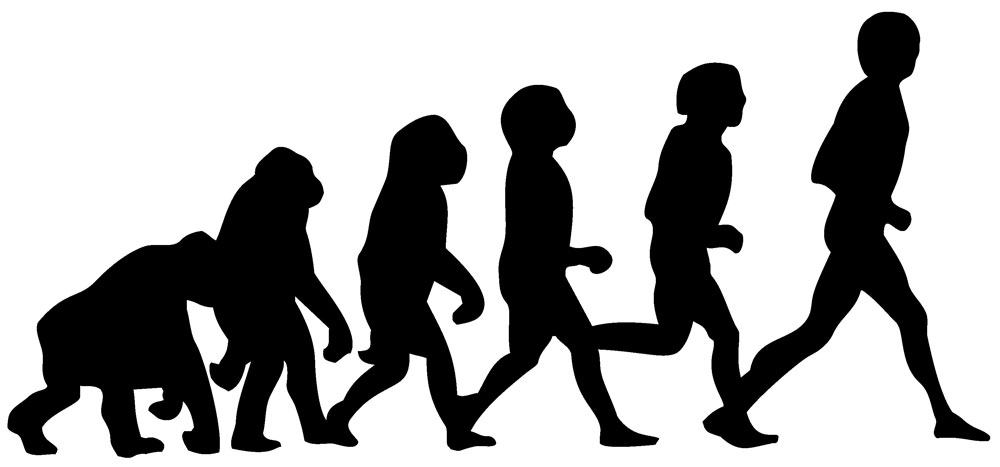
Biological studies have increasingly erased the notion that humans are a formidable, fierce and brutal species.
Browse ScienceInfo articles and explainers related to Biological.
701 published items.
Biological studies have increasingly erased the notion that humans are a formidable, fierce and brutal species.

How does a micro particle work in a liquid? New results published in Nature show that to describe this situation, Einstein's formula ...
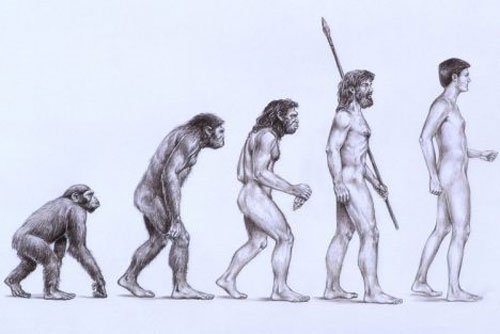
A large-scale biological study of evolution theory conducted by scientists from Uppsala University in Sweden showed the cause of impact, promoting the development of oth…
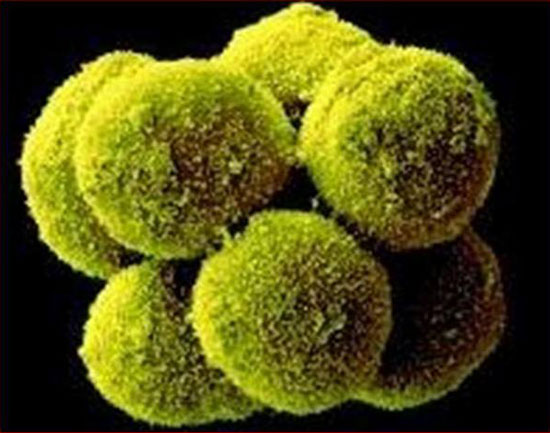
Researchers at the University of Minnesota Medical University and the University of Biological Sciences have made an important discovery indicating that male sex must be…
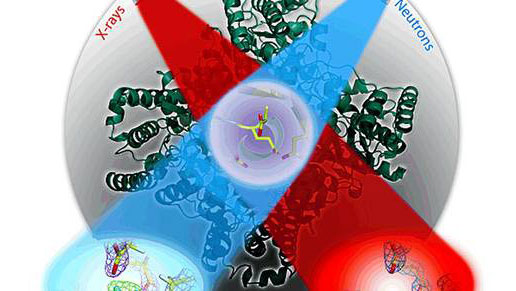
Researchers work at the Los Alamos National Laboratory, which exploits neutrons, to first accurately assess the important role of hydronium ions in certain biological re…
Men often go to bed later than women; and weak women often lose sleep more than men. Why are there such differences? Through research, American and French scientists hav…

According to scientists, the process of hopping dance stork increases the muscle strength of the legs to about 1.5 to 2 times.

Recently, scientists have discovered that the biological clock in our body is affected by factors such as weather or season.

Small creatures are really everywhere: bacteria, fungal spores and biological debris are found in the clouds and seem to help the formation of droplets.
Located in our genes is a 'clock' that controls when we sleep, when we wake up and when we eat.

The secret of the human biological clock was discovered by scientists at the University of Washington (USA).
We can sleep for a while to regulate sleep circulation, but our cells have a much more subtle and delicate system.
Scientists found that the actual fear response is to respond to biological function by transforming the way our senses perceive the world.

Napping is not only a habit in many countries, but it is also a biological response to lunch.

A New York University dentist has discovered a biological clock that links the development of teeth to other metabolic processes. This clock, or circadian rhythm, contro…