Health
Stop using plastic cups because BPA is more in the body than we think
BPA chemicals in plastics have long been known as a hormone disruptor that ranges from pregnancy abnormalities to cancer, diabetes and obesity.
Browse ScienceInfo articles and explainers related to Bisphenol.
28 published items.
BPA chemicals in plastics have long been known as a hormone disruptor that ranges from pregnancy abnormalities to cancer, diabetes and obesity.

Instead, throw away this type of paper as soon as possible. Because you may have some consequences that are not good for your health.

Because really, this habit is much more harmful than you think.
Scientists found that, if you put a cup of water outside overnight, its chemical composition may be changed so that the next morning when you drink it, it will taste sli…

Australia's paper currency has a high concentration of bisphenol A which is very dangerous to health, the study published recently in the Journal of Enviromental Science…
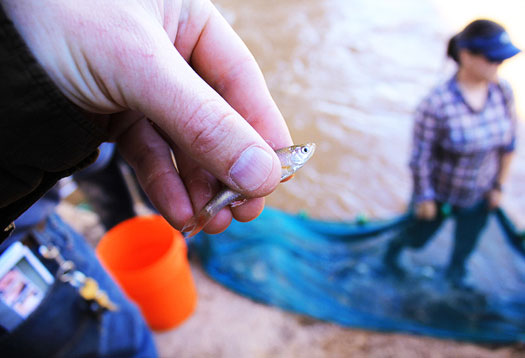
Essica Ward researcher at the University of Minnesota in Saint Paul, USA, has found more impact from BPA, when she exposed two B-tail and black-tailed Shiner fish to eac…

In the first study to look at what happens to the billions of tons of plastic waste floating on the ocean over the years, scientists have reported that plastic, the mate…

When will female mice behave like male mice? When you give it a small amount of bisphenol A - the chemical is similar to estrogen. It is worth mentioning that this chemi…

In a recent study of the effects of bisphenol A (BPA - a plastic additive chemical) on humans ...

More frightening, plastic originates not primarily from food or cooking environments but also domestic dust (along with thousands of bacteria and fungi).
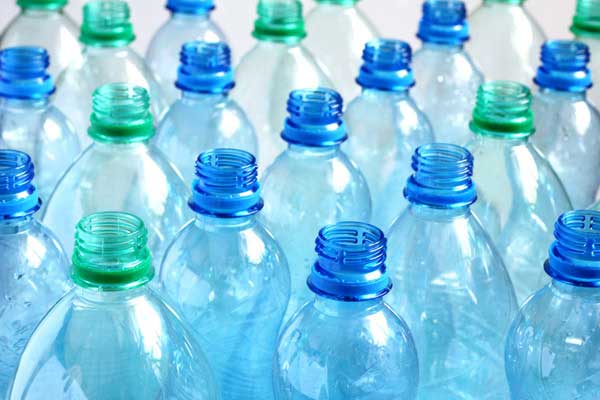
Bisphenol-A, a controversial chemical used to harden packaging for many types of food in plastic bottles and cans can affect human reproductive health.

These toxic chemicals also disturb the hormones in the body and adversely affect our nervous system ...
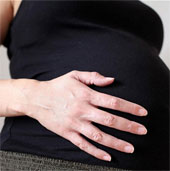
Researchers from the famous Stanford University in the US discovered that pregnant women with bisphenol A (BPA) content in the blood face a miscarriage risk of up to 80%.

A study in the United States showed exposure to BPA - a chemical used to produce household products, affecting human fertility, according to Health24, July 31.
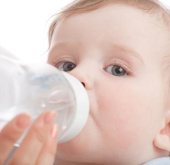
US researchers have documented an association between early exposure to bisphenol A - the chemical used to coat inside plastic products and metal food containers, with a…