Medicine - Health
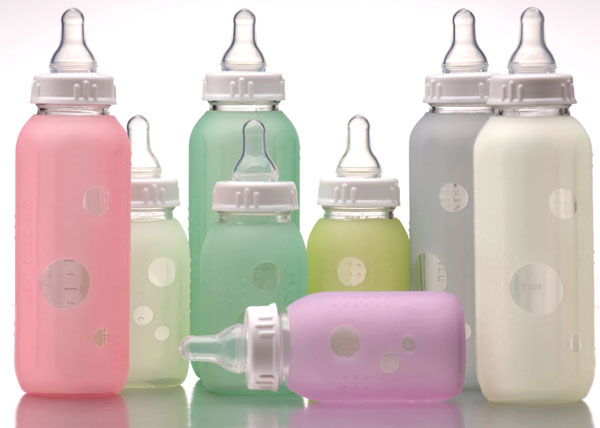
The US banned BPA from producing baby bottles
The US Food and Drug Administration (FDA) has officially announced the ban on the use of bisphenol A, also known as BPA, in the manufacture of bottles and bottles of dri…
Browse ScienceInfo articles and explainers related to Bisphenol.
28 published items.
The US Food and Drug Administration (FDA) has officially announced the ban on the use of bisphenol A, also known as BPA, in the manufacture of bottles and bottles of dri…
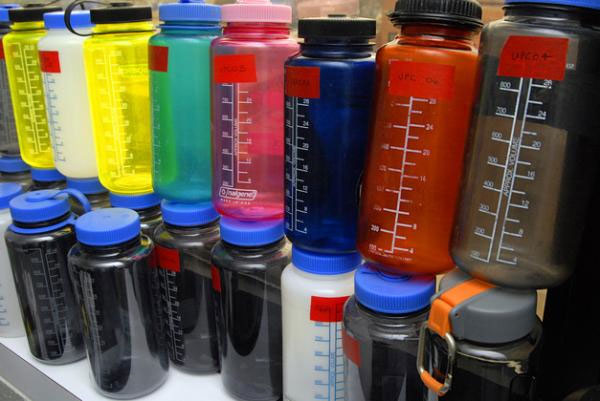
Small amounts of Bisphenol A compound (BPA) during pregnancy can harm the brain and interact, transmit to future generations. BPA, a toxic artificial compound, is presen…
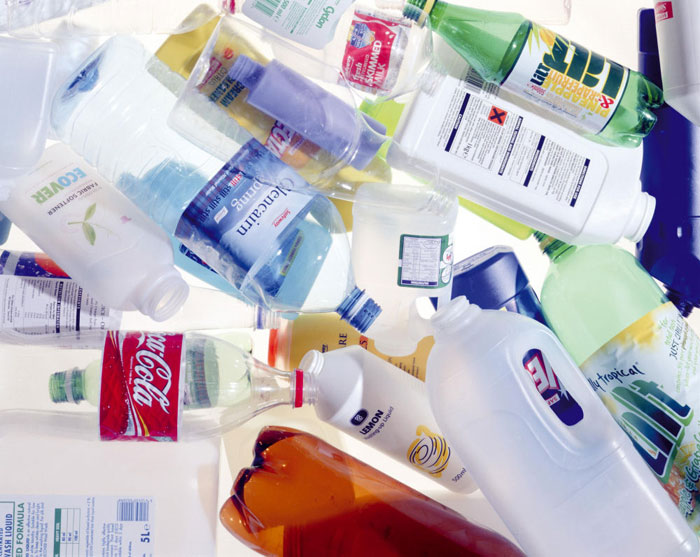
Scientists have discovered that one of the chemicals commonly used to produce plastic food is the cause of weight gain and diabetes, according to the Daily Mail.

A new study by the Breast Cancer Foundation (Australia) found that the level of toxicity of Bisphenol A, often abbreviated as BPA, in many canned foods sold in the count…
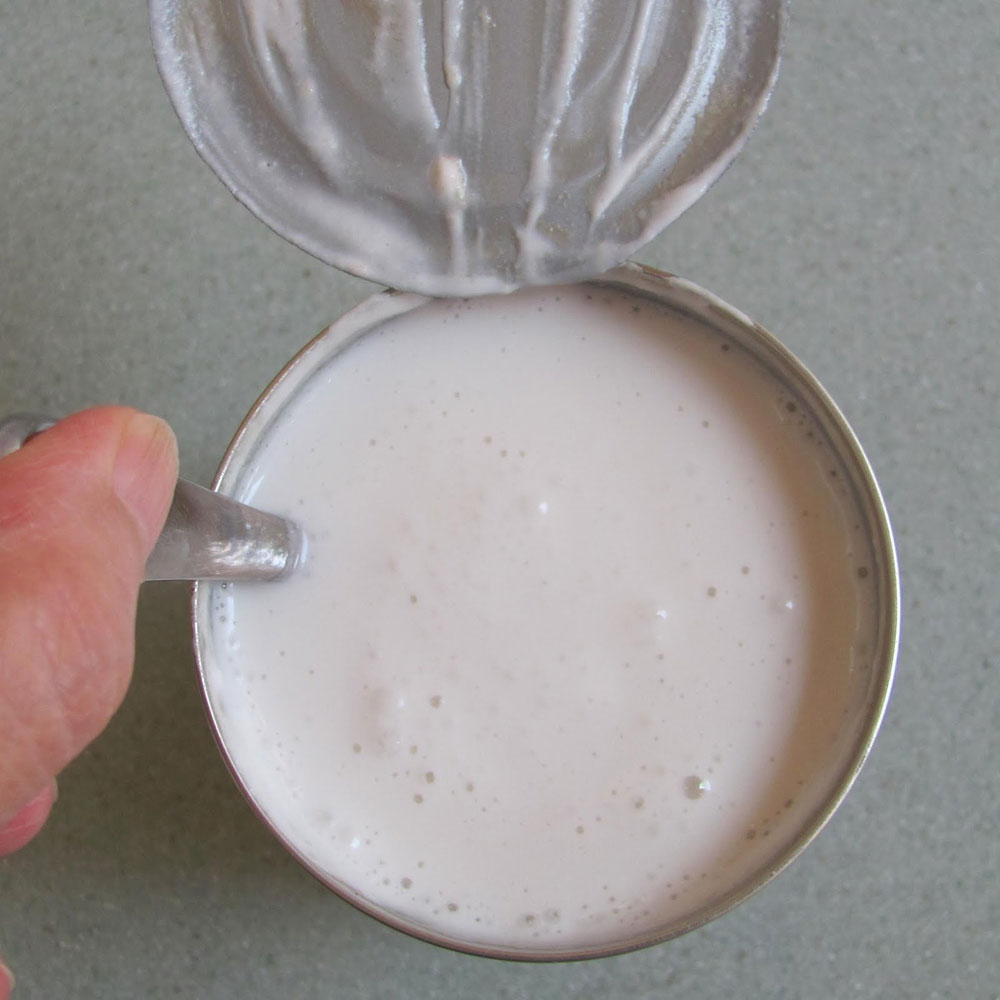
Urine of people who eat canned foods daily has abnormally high levels of bisphenol A (BPA).
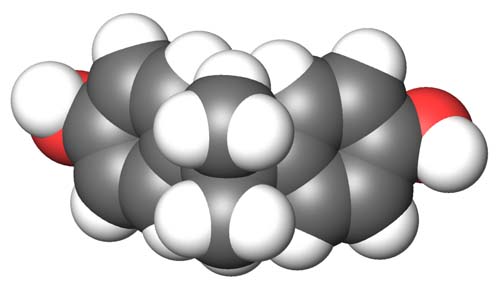
Women with polycystic ovary syndrome (PCOS) are at increased risk of bisphenol A - a widely used industrial chemical - in the blood.
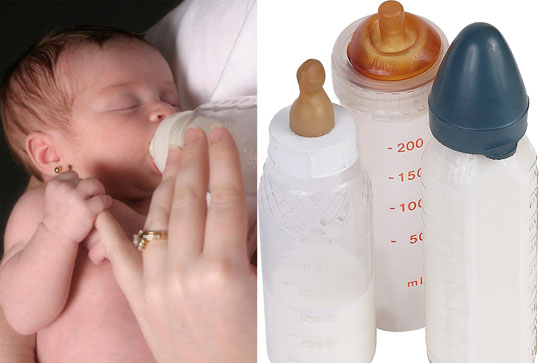
According to the Food Safety Administration, the uninfected BPA test samples from milk bottles were lower than specified.

For the first time, a study confirmed that Bisphenol A (BPA) - the familiar chemical in food and feeding plastic containers - is related to male infertility.

Bisphenol-A, a controversial chemical used to harden the packaging for many foods and drinks that can affect human fertility.
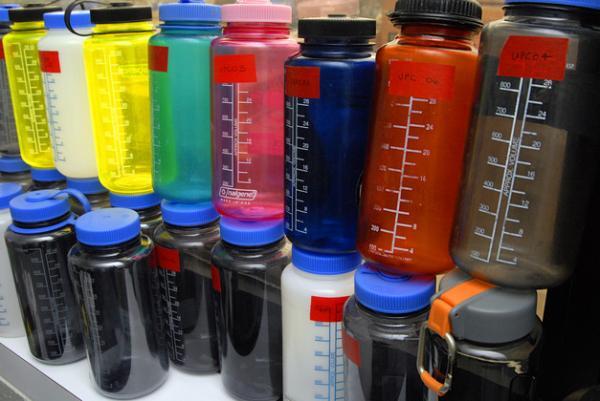
New research by the University of Cincinnati (UC) shows that the chemical used to make hard plastics - bisphenol A (BPA) - is a risk factor for metabolic syndrome and it…

According to scientists at the University of Cincinnati (UC), the active ingredient Bisphenol A (BPA) is released from polycarbonate bottles more or less independent of…

According to a recent study by American scientists, chemicals in beauty products can harm women's fertility, even causing breast cancer.

Over 90% of cancers are caused by the environment. Look at a certain angle is good news because it means that most cancers are not genetically and can be prevented.