Space science
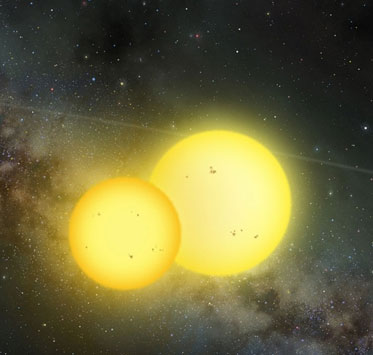
Discover new form of planetary system
Based on NASA's Kepler Mission program data, astronomers announced the discovery of two new
Browse ScienceInfo articles and explainers related to Bit.
2,317 published items.
Based on NASA's Kepler Mission program data, astronomers announced the discovery of two new
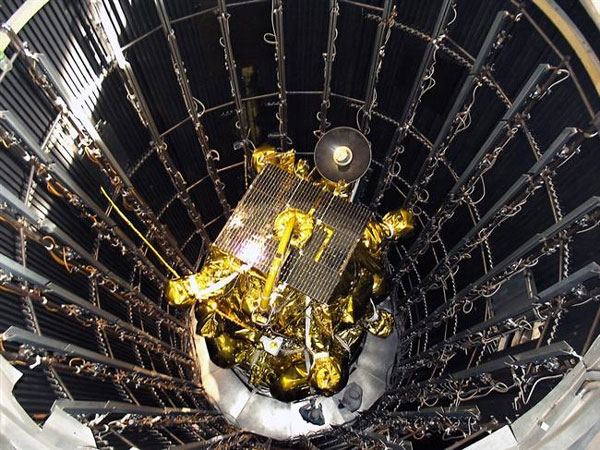
The reporter in the Russian Federation led the news in the newspaper
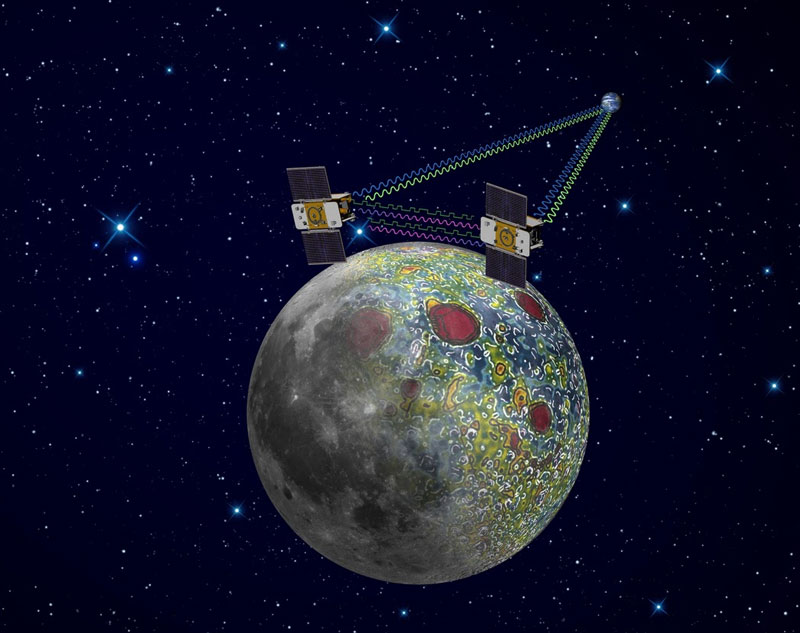
NASA officials at the Jet Propulsion Laboratory in Pasadena, California, said the No. 1 Gravity Recovery Laboratory (GRAIL-A) entered the Moon's orbit at 22:01 GMT on De…
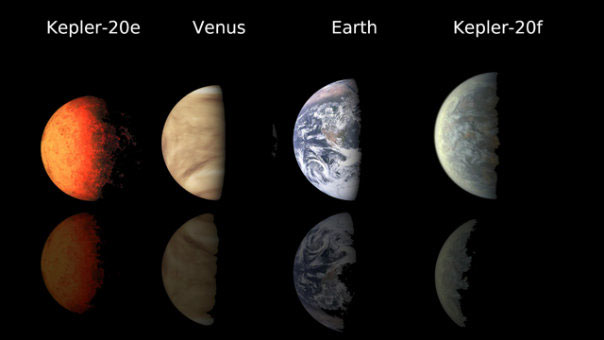
In order for a life similar to Earth to exist on another planet, scientists think aliens must also have three vital components: organic structural molecules can form com…

A NASA photographer captured a very unique scene, the International Space Station flew past the Moon. The special thing is that the picture was taken entirely with a nor…

The International Year of Astronautics (2011) has just ended, experts in the universe evaluate that the amount of garbage on orbit near Earth has reached an alarming lev…
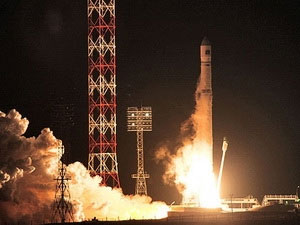
On January 11, the Russian Federal Aeronautics Agency Roscosmos announced the debris of the Phobos-Grunt Automatic Interplanetary Station to probe Mars could fall to the…
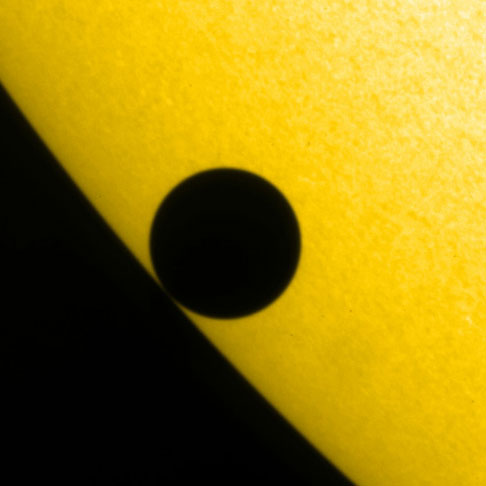
In June astronomers will have the opportunity to admire the sight of Venus gliding across the sun. The same event will only happen after more than a century.
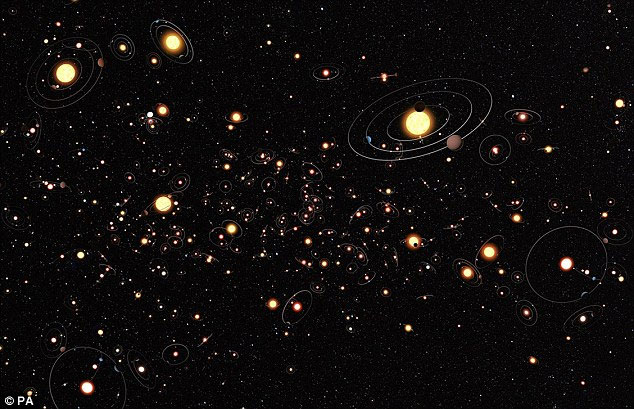
Up to 10 billion stars in the Milky Way have satellites orbiting in an orbit suitable for life.

The ruins of the two planets following the dying central star, 3,900 light-years ago, provide the clearest view for astronomers about the future of the solar system in a…
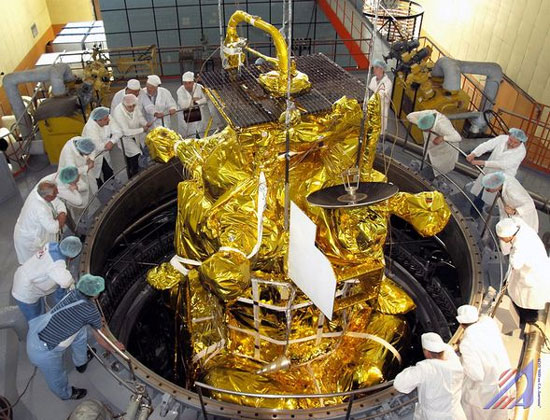
The Russian probe Phobos-Grunt, trapped in Earth orbit, will fall to southwestern Afghanistan on January 14, 2012, according to the US Strategic Command's forecast.
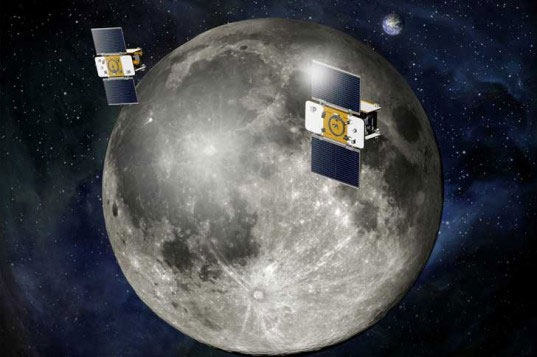
The pair of spacecraft launched by the US Aerospace Agency (NASA) in September will fly to the moon's orbit around the weekend.
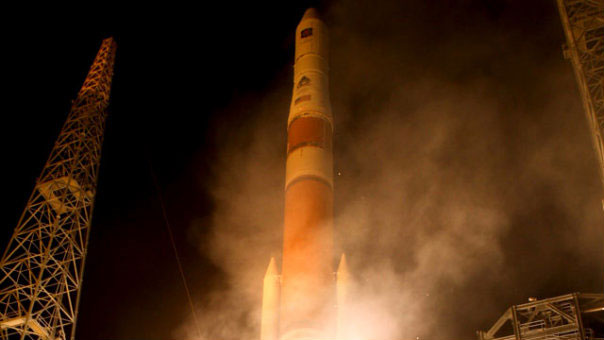
Space agency Roscosmos said Russia on December 11 launched two contact satellites with Proton-M rocket from the Baikonur space center in Kazakhstan.
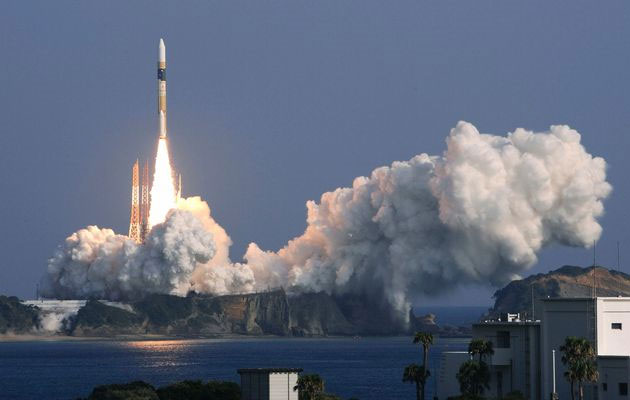
Japan today (December 12) launched a new-generation reconnaissance satellite into orbit, amid growing concern of the country over North Korea's missile program and surve…
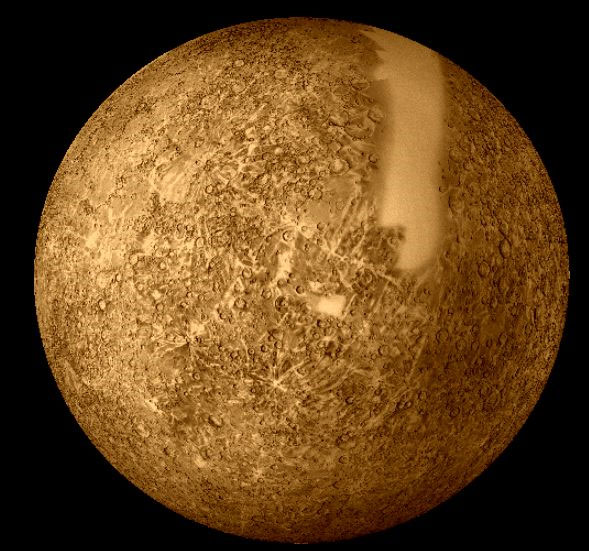
Mercury once collided with a large asteroid, which caused the planet to slow down, while also causing it to change its direction in the opposite direction to the Sun.