
Oceanography
What Is Coral Bleaching?
Coral bleaching happens when stressed corals lose or expel much of the symbiotic algae living in their tissues. Because those algae provide color and a major share of th…
Browse ScienceInfo articles and explainers related to Bleach.
59 published items.
Coral bleaching happens when stressed corals lose or expel much of the symbiotic algae living in their tissues. Because those algae provide color and a major share of th…
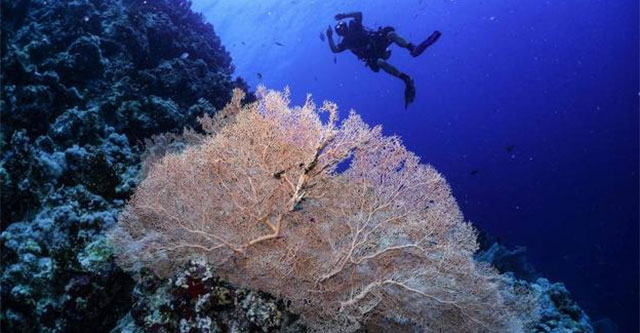
For the first time in history, coral in the Gulf of Aqaba lost its natural color due to record high sea temperatures this past summer.
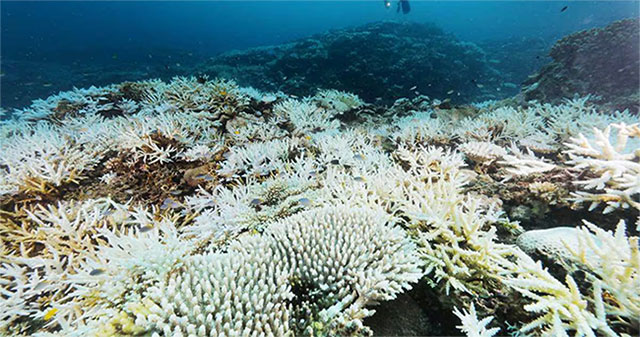
Rising ocean temperatures are fueling mass bleaching of coral reefs around the world, putting many species at risk of extinction.
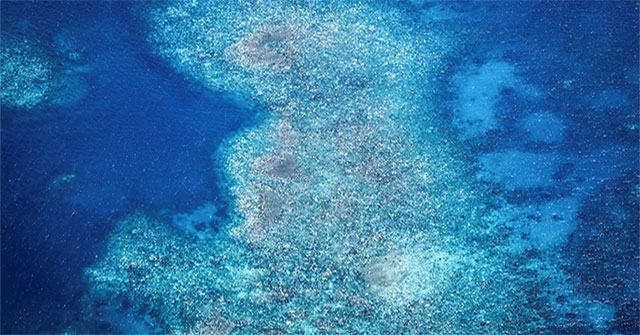
Australian researchers have confirmed that wind patterns played a major role in causing severe coral bleaching on Australia's Great Barrier Reef.
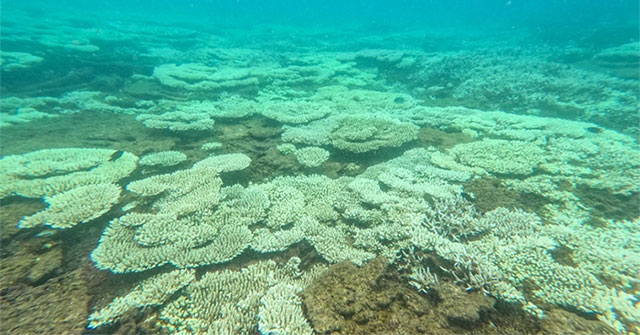
At the present time, the bottom water temperature of Con Dao waters is 32 degrees Celsius; If the sea water temperature at coral reefs does not decrease, the coral's abi…
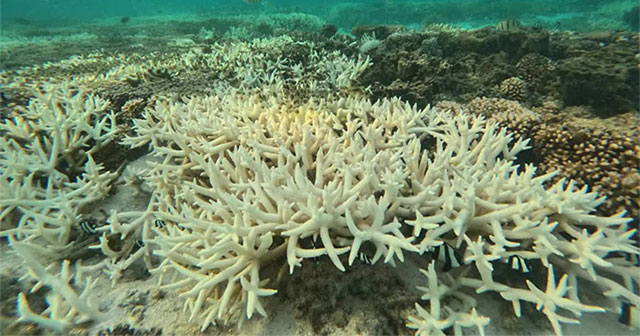
Coral reefs around the world are experiencing mass bleaching due to the climate crisis causing ocean temperatures to rise, two scientific agencies announced on April 15.
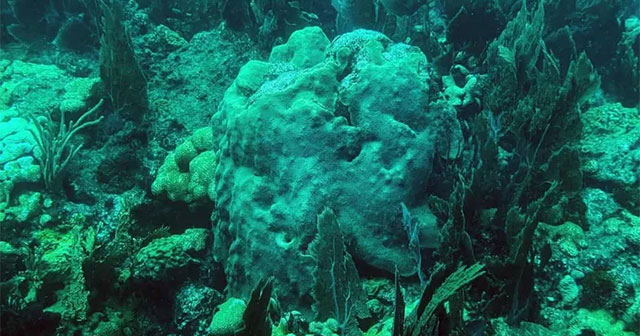
In laboratories across Florida (USA), biologists are regenerating coral reefs to prevent population decline due to disease.
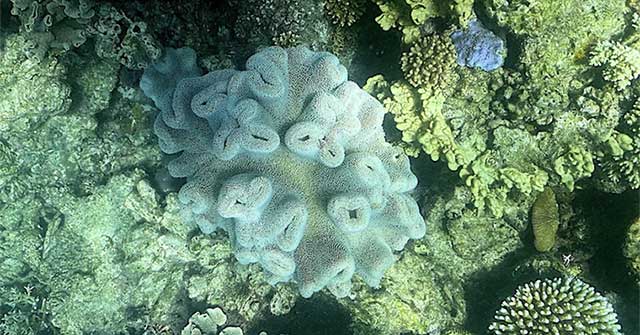
Scientists confirmed the new bleaching episode after conducting an aerial survey of 300 'shallow' coral reefs as sea temperatures threaten the habitat of thousands of ma…
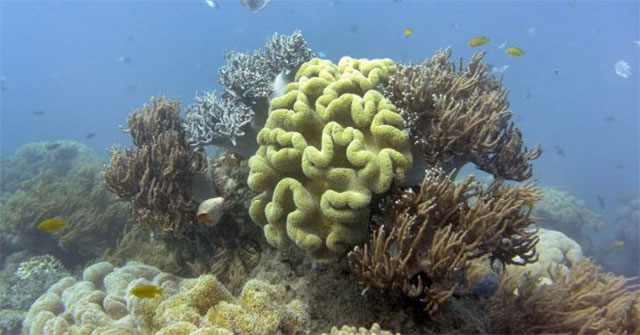
According to a new Australian Government monitoring report, a prolonged summer heatwave in Australia left 91% of the Great Barrier Reef (GBR) damaged by bleaching.
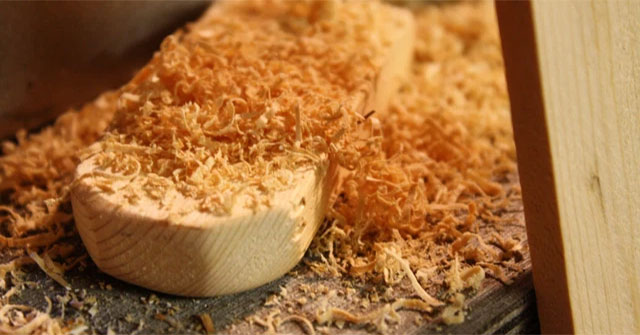
A new cleaner made of sawdust and water can remove up to 99% of disease-carrying microorganisms, including anthrax and some strains of the flu virus.
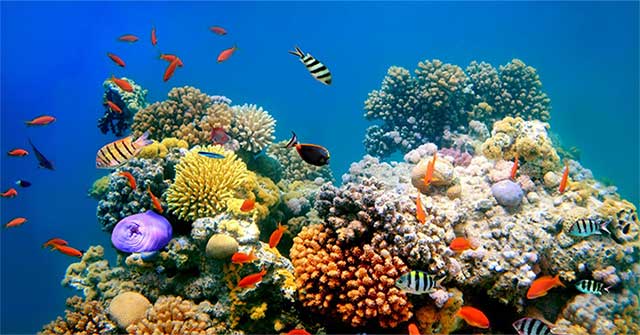
Some corals are creating a 'sunscreen' to protect themselves from rising sea temperatures, a study by scientists at the University of Southampton (UK) said.
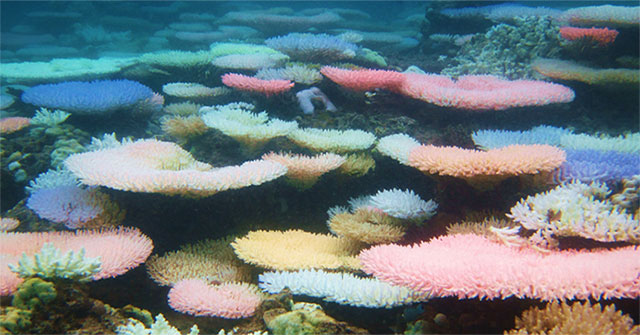
Instead of bleaching, some corals tend to change color as ocean temperatures fluctuate. This is a recent mystery that scientists have found out.

Drying clothes at high temperatures, using chemicals such as phenolic, ammonium salts or chlorine-containing disinfectants are simple ways to kill the virus.

People in Europe 200 years ago homemade toothpaste, bleached with acid and encouraged brushing 5 times a day.
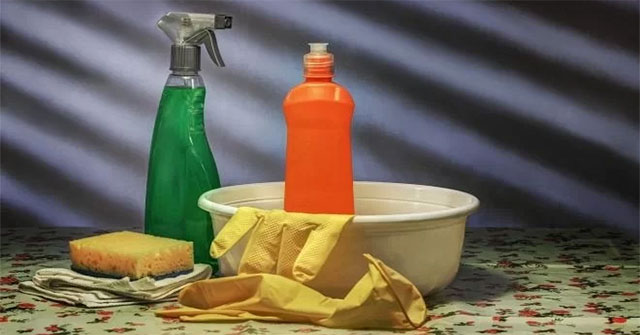
Many people use a lemon or orange scented cleaner to clean the floor and turn on the lights to see the stains, but this combination creates super fine dust.