World Heritage
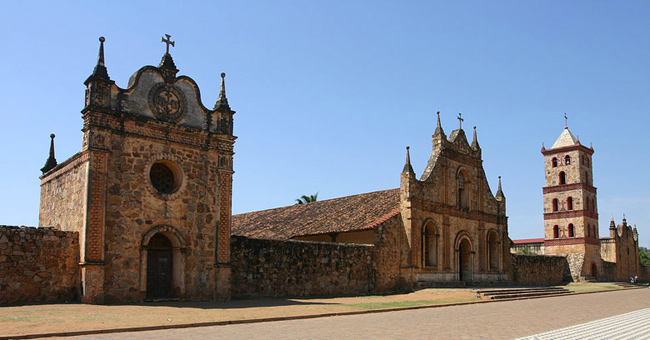
Jesuit missionary area in Chiquitos
Unesco's Scientific, Educational and Cultural Organization recognized the Jesuit Mission Area in Chiquitos of Bolivia as a World Cultural Heritage in 1990.
Browse ScienceInfo articles and explainers related to Bolivia.
53 published items.
Unesco's Scientific, Educational and Cultural Organization recognized the Jesuit Mission Area in Chiquitos of Bolivia as a World Cultural Heritage in 1990.
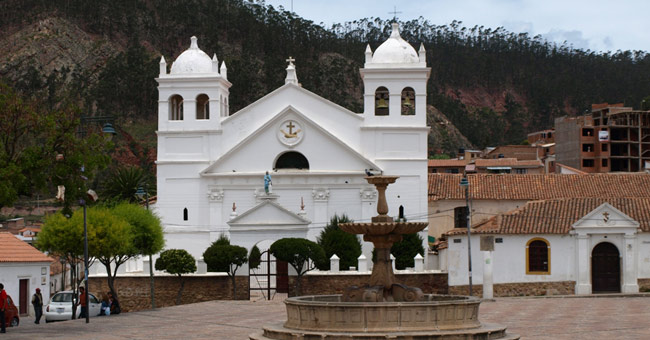
Unesco's Scientific, Educational and Cultural Organization has recognized the historic city of Sucre of Bolivia as a World Cultural Heritage in 1991.
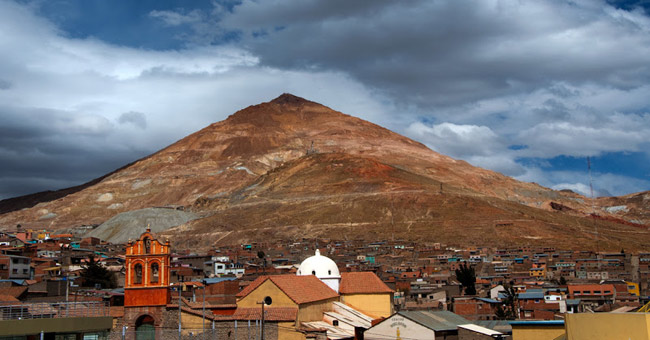
Unesco's Scientific, Educational and Cultural Organization has recognized Potosi City of Bolivia as a World Cultural Heritage listed in the list of endangered heritage.
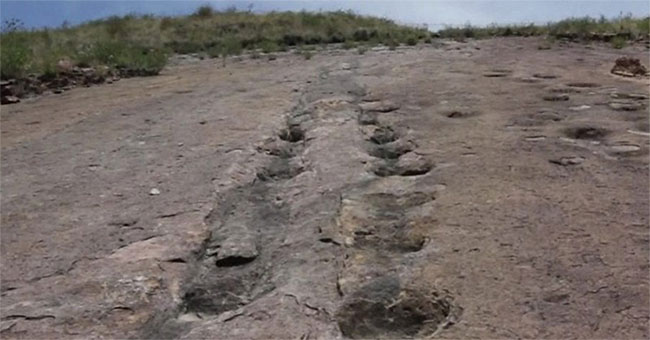
Many animals such as lizard-foot dinosaurs and armored dinosaurs used to live in the place known as
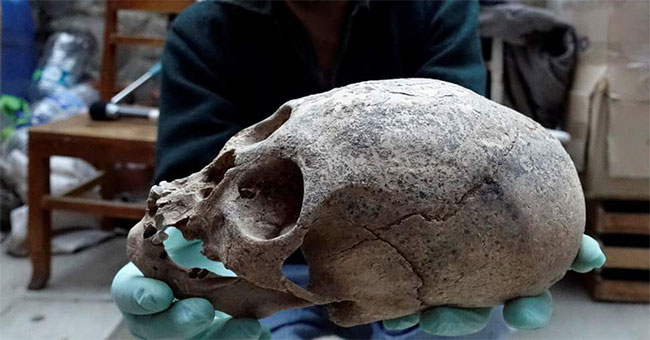
Many remains of skulls have an oddly stretched skull and countless valuable jewelry have been found at a quarry near Bolivia's capital La Paz.

Archaeologists have discovered an ancient skeleton in the Copacabana peninsula of Lake Titicaca, Bolivia. Research shows that brain surgery has been performed since prim…

In the recent expedition of Bolivia's Lake Titicaca lake, archaeologists found thousands of bone fragments, including many pieces of gold and silver, from 1,500 years ag…
The ruins of a 10,000 year old man have been found in Bolivia and become the oldest archaeological site in the Amazon region.

Scientists working at the School of Medicine, Case Western Reserve University, USA and Autónoma Tomás Frías University, Bolivia, discovered two new rodent fossils in the…
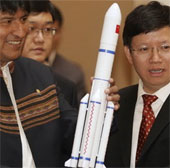
AFP quoted Ivan Zambrana - director of Bolivia's National Space Agency, said the country's first satellite satellite project started in 2009.

According to the Bolivian Space Agency (ABE), scientists in the country will be trained in China, in preparation for the transfer of a satellite built in China by the en…

Chinese-funded Bolivian installation and commissioning of Bolivia's first satellite orbit, Tupac Katari, worth about $ 300 million.
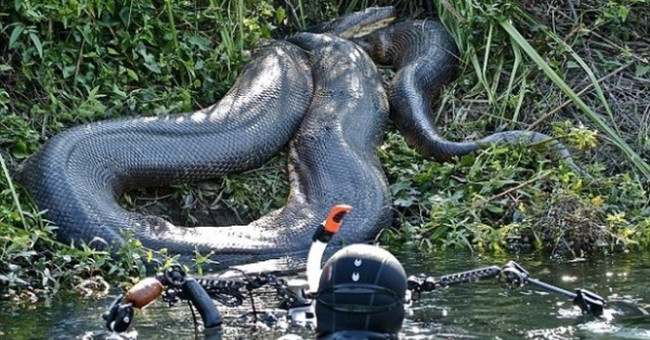
There were no sharp fangs and deadly venom, but Anaconda was still a name that made everyone shudder with fear.
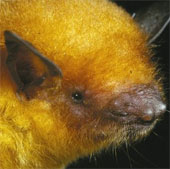
Scientists from the Oswaldo Cruz Foundation in Brazil and the Smithsonian Institute in the United States have published in the Journal of Mammalogy journal a new species…