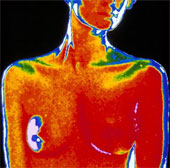
Cancer
Discovered proteins help fight breast cancer
Breast cancer cells release a protective protein, capable of inhibiting tumor growth, according to a new study.
Browse ScienceInfo articles and explainers related to Breast.
408 published items.
Breast cancer cells release a protective protein, capable of inhibiting tumor growth, according to a new study.

A new study shows that long-term use of calcium absorption blockers (Calcium channel blockers), a drug used to treat high blood pressure, can double the risk of breast c…
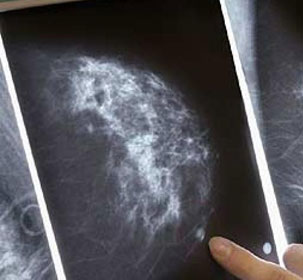
American scientists have discovered the same molecular characteristics of two dangerous diseases: breast cancer and ovarian cancer, opening the way to research new treat…

New Danish research shows that women who used aspirin regularly (twice a week, for at least a month) reduced their risk of ovarian cancer by 40% compared with women who…
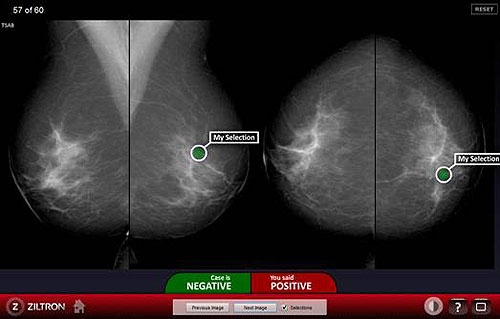
Scientists working at the University of Sydney, Australia in partnership with BreastScreen NSW and Ziltron, have developed a web-based pioneering program to monitor the…

Not only are alcoholics women at high risk of breast cancer, even those who drink less alcohol are at risk.

British scientists have successfully developed a breakthrough chest scanning system. Using the latest mine detection technology, they can detect tumors in just 8 seconds.
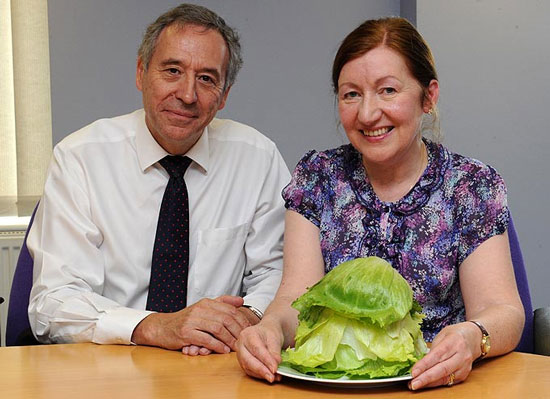
Elsie Campbell - a 59-year-old British woman - discovered cancer early and cured it, with a single sign: suddenly addicted to eating lettuce.

Brenda Jones (47 years old) feels still fine, but her dog Murphy sees something wrong. Murphy behaved strangely a week before jumping up to scratch Brenda's left chest,…

The high concentration of fat and cholesterol in a typical American-style diet plays an important role in the development and spread of breast cancer.

American scientists have found that smoking before menopause, especially before birth, may increase the risk of breast cancer.

Early-stage breast cancer patients with a small amount of lymphoma are removed like those who undergo larger surgery.
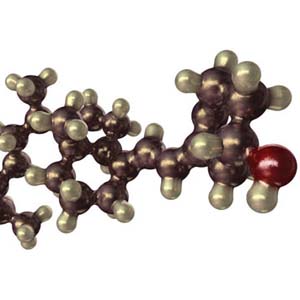
A higher level of vitamin D in the blood than currently recommended can help prevent or significantly reduce the incidence of breast cancer and some other diseases.

Scientists have discovered a protein, produced inside cells, that suppresses the growth of prostate cancer cells, promising new treatments for the disease.

Scientists have successfully investigated the method of diagnosing breast cancer in women by testing breast milk.