
Discover science
Son Doong Cave is a live broadcast of American television
More than 6 million US subscribers subscribe to live television and about 60 million people worldwide watch the internet when Good Morning America program (Good morning…
Browse ScienceInfo articles and explainers related to Broadcast.
87 published items.
More than 6 million US subscribers subscribe to live television and about 60 million people worldwide watch the internet when Good Morning America program (Good morning…
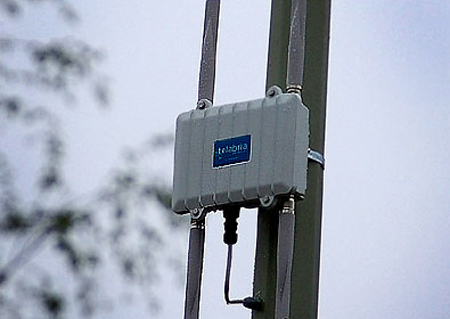
Scientists worry that Wi-Fi transmitters can cause bad symptoms in children, such as headaches, dizziness, and insomnia.

When live matches are continuously broadcast on television, many people wonder why the neighbors' home TVs are faster than their own?
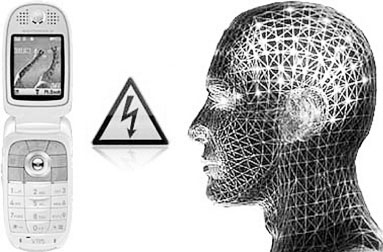
Electromagnetic waves exist everywhere, so does it affect human health?
Two days ago, China Central Television CCTV broadcast the video footage ... 15 Kanasi sea monsters, located in Xinjiang Autonomous Region in the western part of the coun…
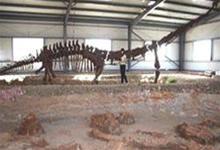
A farmer in China's Ningxia Autonomous Region, even dreaming, never imagined that he would become a
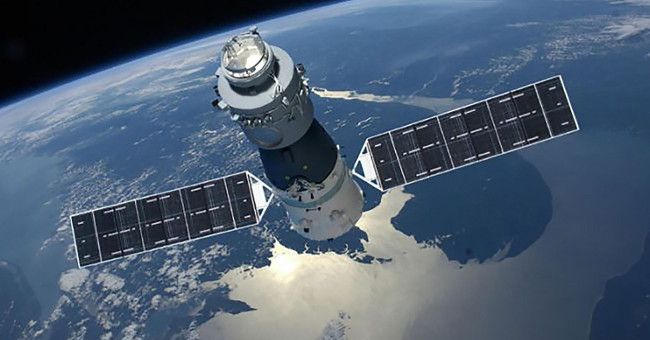
The final images of Thien Cung 1 space station will be broadcast live from 19h on March 28 (Vietnam time).
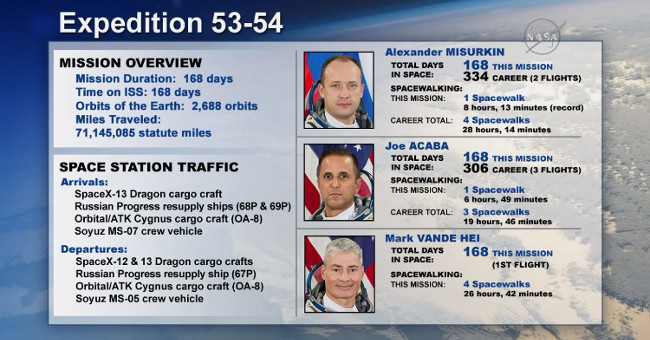
The crew's meaningful return trip was broadcast live on NASA TV channel.
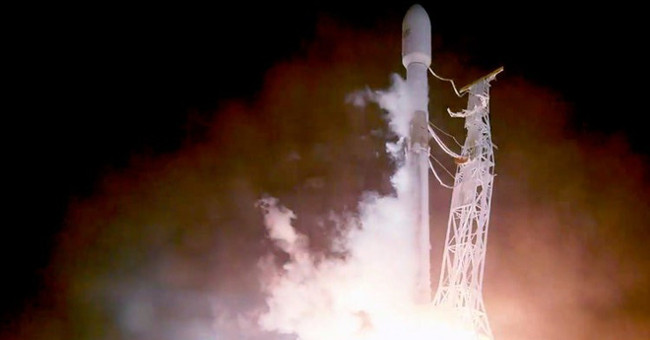
On the morning of last Thursday, SpaceX successfully launched the Falcon 9 rocket carrying a Spanish radar satellite and the first two test satellites of the Starlink pr…

Elon Musk has a project to provide the Internet to people around the globe, and he is taking the first steps to implement it: expected next Saturday, February 17.
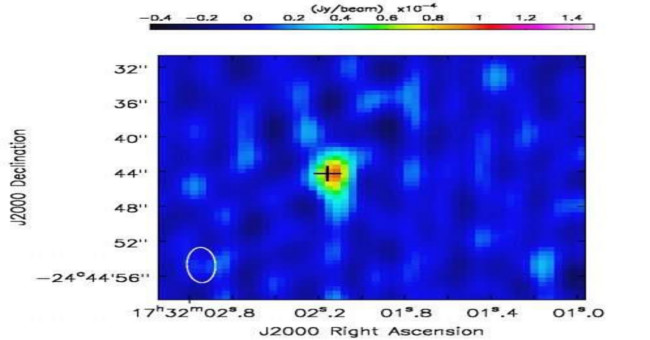
A strange source that emits gravitational waves in the universe receives the attention of the scientific community.

The Hubble telescope of the US Aerospace Agency (NASA) is observing a pair of neutron stars in the galaxy NGC 4993, 130 million light-years from Earth.

On August 21, 2017, the transcontinental solar eclipse will take place and Facebook will send an invitation to watch the most spectacular astronomical event of 2017 by N…
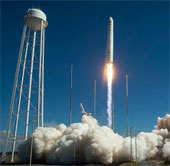
All images of Cygnus's activities were broadcast live on NASA television.
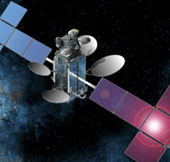
The Russian Federal Space Agency Roscosmos said that the country on November 20 launched a communications satellite into orbit with proton-M boosters.