
Biology
A unique type of plant that increases in price 13 times when bitten by bugs. Only a few provinces in Vietnam can grow it.
Strangely enough, after being bitten by insects, this plant produces a specialty that is rarely found anywhere else.
Browse ScienceInfo articles and explainers related to Bugs.
118 published items.
Strangely enough, after being bitten by insects, this plant produces a specialty that is rarely found anywhere else.

There are hundreds of Demodex, or eyelash beetles, living in different areas of the human face. During the day they hide well, at night they crawl to the surface of huma…
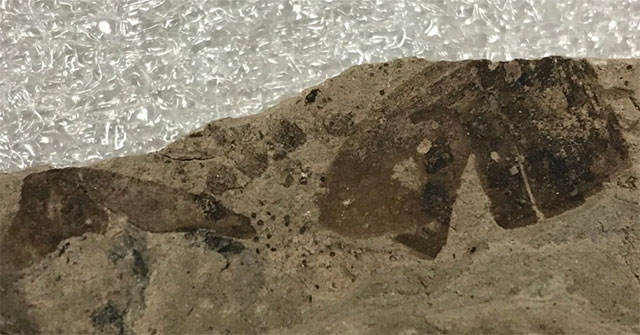
Researchers have announced the discovery of a fossil of a strange insect named Morrisonnepa Jurassica in Utah, USA.

Each month, 47,000 Microsoft programmers create more than 30,000 bugs.
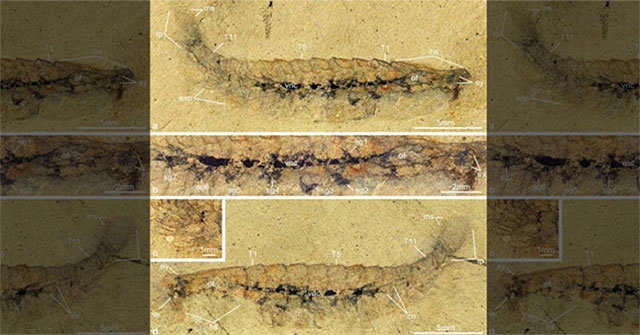
The black spots found in fossils of 500 million-year-old stink bugs can be well preserved with symmetrical brain tissue.
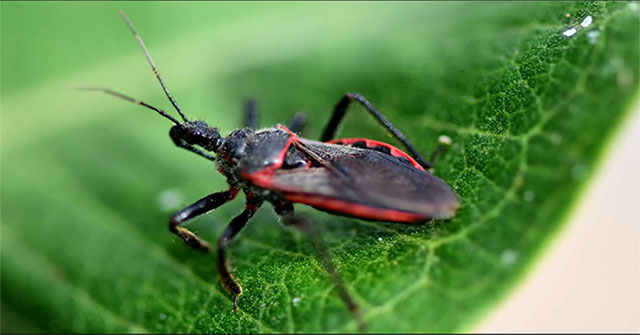
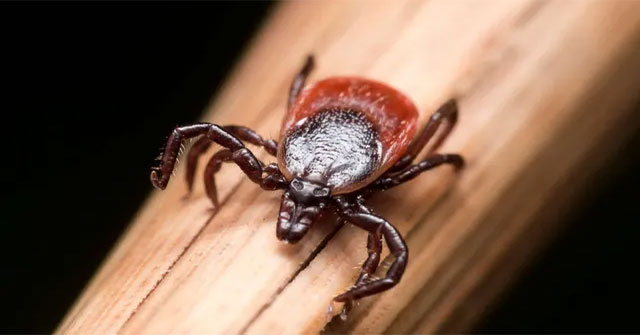
A mysterious new virus is creeping through some rural areas of China. Until recently, the cause of the disease was still unclear, but a new study may have identified the…
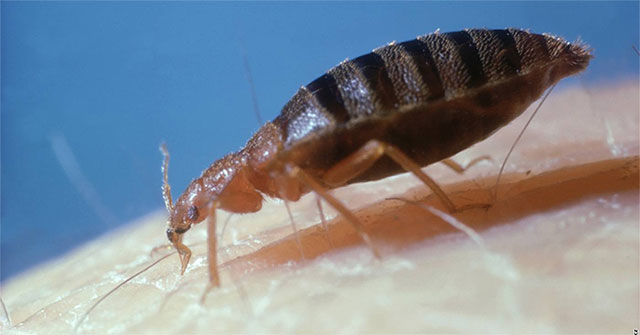
Researchers from the University of Sheffield (UK) revealed that the bug has evolved more than 100 million years ago, 50 million years earlier than previously thought.

The people of California (USA) have recently been horrified when urban areas are 'invaded' by millions of elite beetles flocking in mating season.

Big football-like footbills are caught gobbling up the crocodile's body until it can't move.
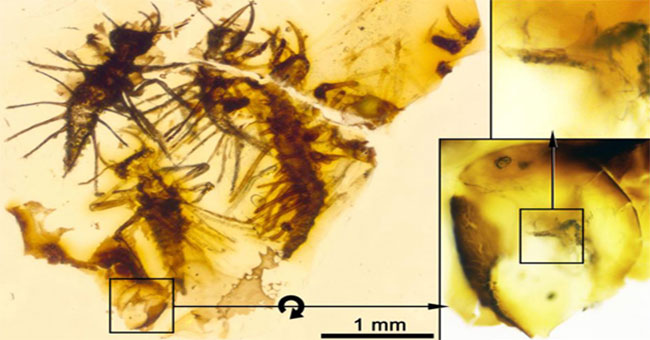
The sap flowing down can cause the ancient beetles to die immediately after breaking the eggshell.

DARPA is an agency under the US Department of Defense, responsible for developing new technologies for military purposes.
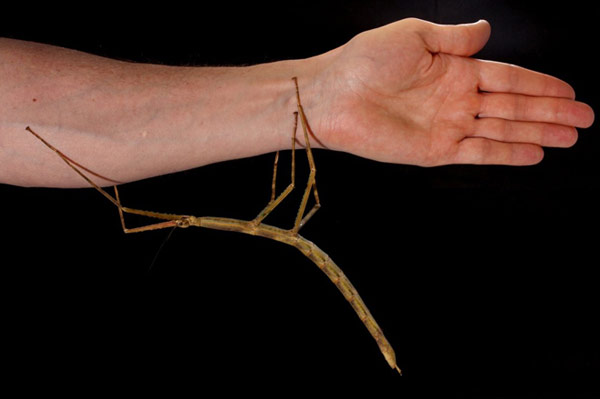
The American Institute of Environmental and Forestry Science (ESF) publishes 10 impressive newly discovered organisms of 2015, including one found in Vietnam.
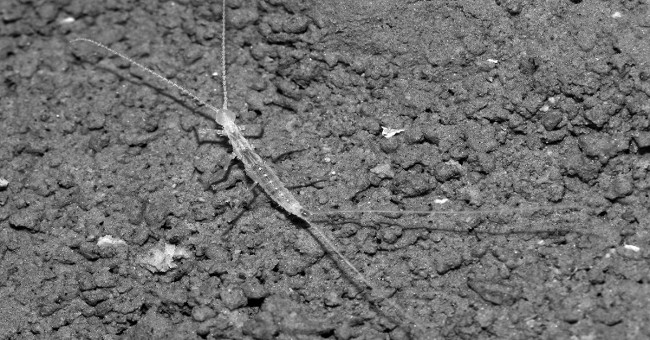
Scientists have discovered a new animal with six feet of insects in a cave in Turkmenistan thanks to the bait of cheese, according to UPI.

Scientists discovered the beetle of the Boganiidae family of amber fragments about 99 million years with pollen grains of minnows in Myanmar, Phys reported on August 16.