AI - Artificial intelligence
American scientists say the world's first living robot can reproduce
US scientists have created the first living robots called xenobots, which can reproduce in a way never before seen in animals and plants.
Browse ScienceInfo articles and explainers related to Call.
1,893 published items.
US scientists have created the first living robots called xenobots, which can reproduce in a way never before seen in animals and plants.
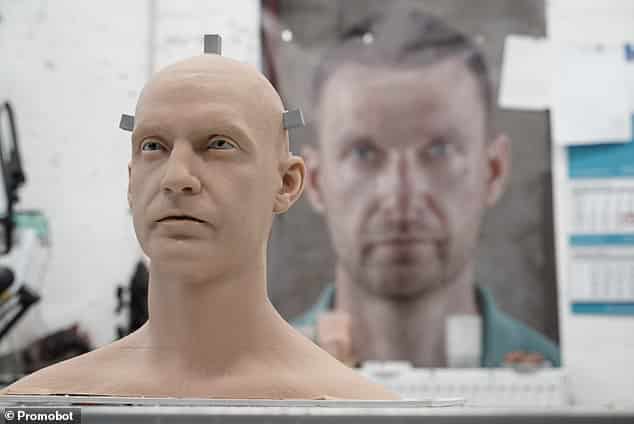
Recently, a robot manufacturer called Promobot (based in New York, USA) is currently looking for a model face for a robot product to use.

The designers introduced a skyscraper model called 'Urban Sequoias' that is capable of removing the equivalent of 48,500 trees of carbon from the atmosphere.
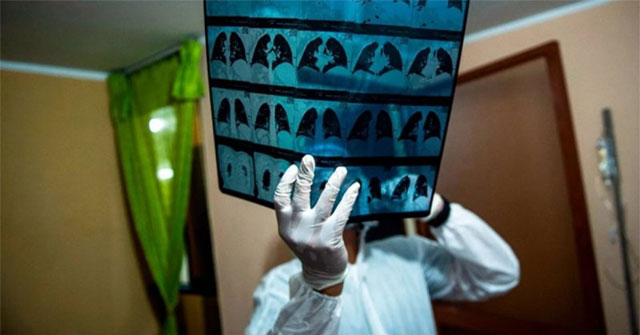
Scientists from the University of Oxford, UK have discovered a gene called LZTF1, which doubles the risk of lung failure and death from Covid-19.

A beekeeper is called in to rescue a nest of honey bees that live in a residential wall in Lancashire.
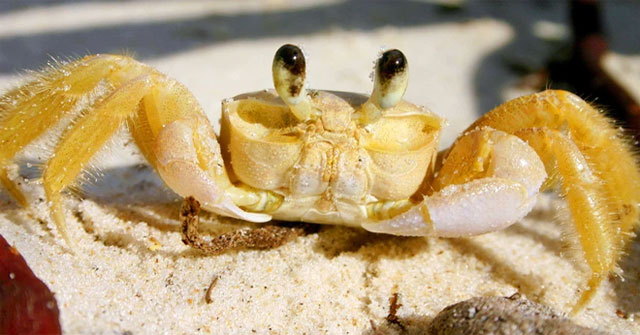
Can ghost crabs make calls? How is that?

In his book '20 Outstanding Minds That Changed the World', Antoni Gaudí is called a great architect, designing unique buildings inspired by nature.
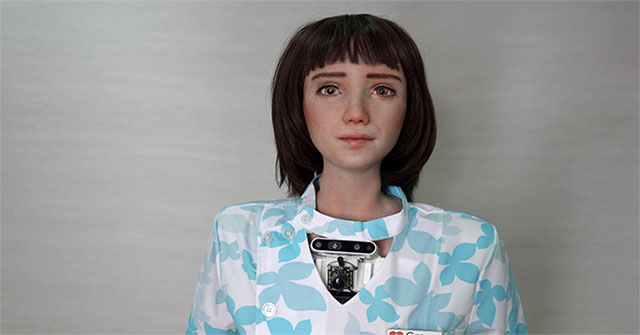
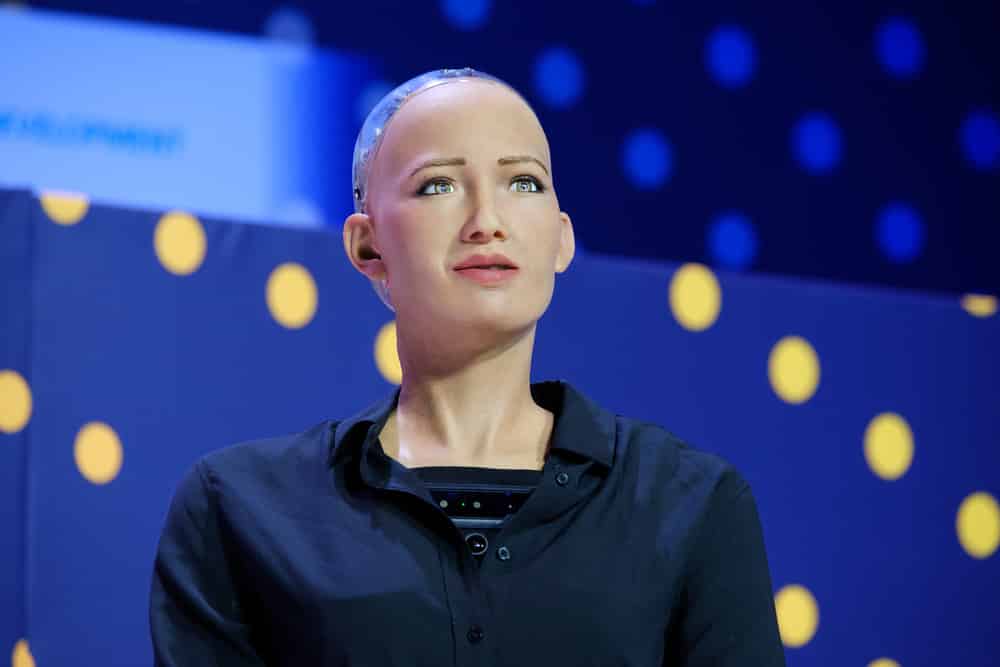
The 'father' of the world's first robotic citizen Sophia has just launched a new robot model called Grace aimed at serving the healthcare market.

The US Navy has invented a new device to stop people from talking called the Handheld Audio Disruptor and Disruption Device (AHAD).

If you're new to internet privacy and security, you've probably heard of something called Tor - an internet connection software that comes with its own browser that's no…

A Chinese research team has successfully built a quantum supercomputer system called

Many people think that missiles and ballistic are two different ways of calling a weapon, so what about the truth?
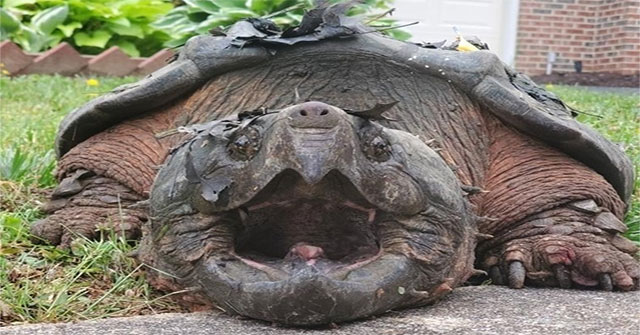
A 30kg turtle has just been found in a residential area in Fairfax County, Virginia. Its enormous size has baffled locals.
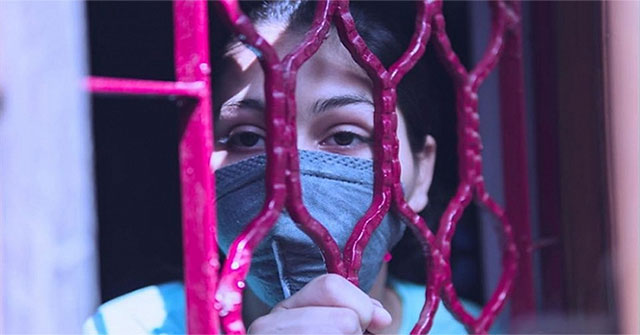
WWF calls for an urgent global action to address the problems that cause an animal-derived pandemic in the future.

Astronauts on the International Space Station (ISS) record a unique phenomenon when flying over the South Pacific.