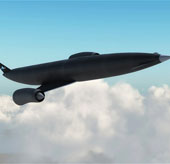
New technology
Super-speed 6.700 km / h
Passengers will be able to travel on a flight from England to Australia in less than four hours instead of the current 21 hours thanks to the invention of British scient…
Browse ScienceInfo articles and explainers related to Call.
1,893 published items.
Passengers will be able to travel on a flight from England to Australia in less than four hours instead of the current 21 hours thanks to the invention of British scient…
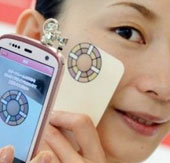
Japan's Fujitsu Technology Group has released a new feature called '

New tool called TextBuster designed to make messaging and surfing the web while driving is impossible. Parents and vehicle owners are believed to be potential customers…
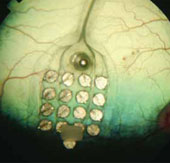
Researchers at Second Sight have developed a new device called Argus, which allows blind patients to see the text by stimulating the light-sensitive part of the eye.
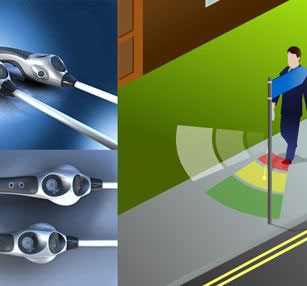
University of Bristol (UK) has developed a device called Ultracane, inspired by bats, to help visually impaired people easily ride their bikes.
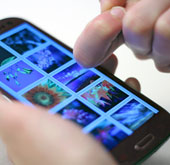
The new technology, called finger-sensing, uses a tiny touch of sound in the phone to pick up sound and measure the vibrations caused by touching the screen.
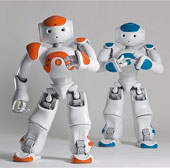
Researchers at the University of Birmingham used two knee-high robots called Max and Ben to help autistic children develop communication skills.
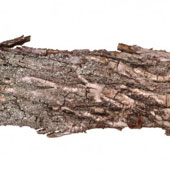
Scientists at the University of Freiburg in Germany are working on a project called Biofoambark to take advantage of scrap in the wood industry, turning them into foam f…
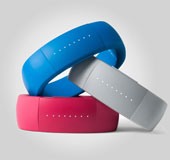
A new health and lifestyle monitoring system called Larklife will help users manage their diet, exercise, work productivity and sleep.
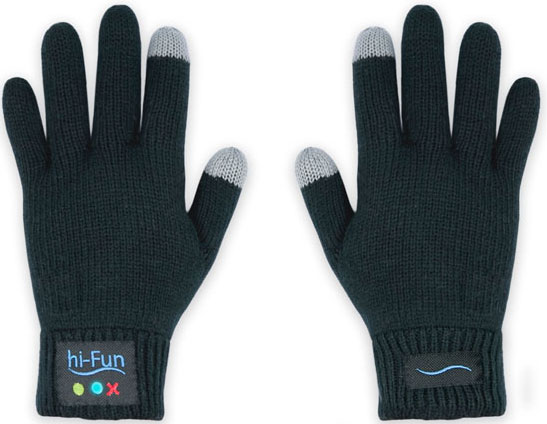
Users can wear gloves, made of wool, to keep warm in winter, and make a call or receive a call easily. This technology glove is called hi-fun.
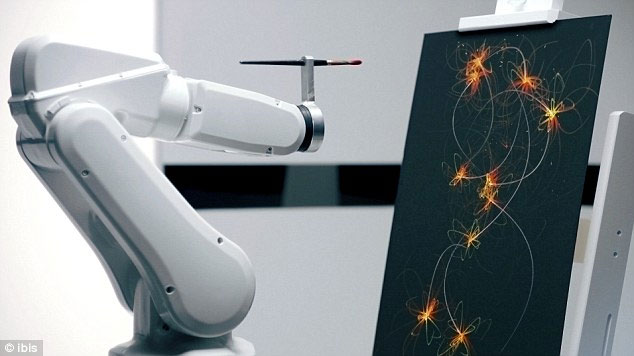
Currently, the Ibis Hotel (Accor) system is using a robotic robot called Robot Picasso. This robot can draw a 'sleep chart' for visitors.
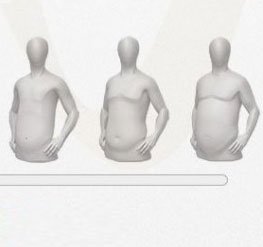
A group of students from the University of Spain, UAB, have developed a new application called Verisize, which allows shoppers to try online, avoiding the risk of wastin…
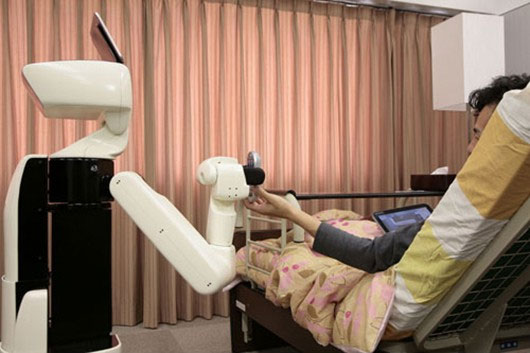

A new material, called the cheap Nott-300, promises to be used in carbon capture technology to reduce CO2 emissions.

New American scientists have come up with the idea of turning a conventional helmet into a smart device capable of sending a self-help signal when a user experiences an…