
Medicine - Health
Genetically modified order helps detect cancer early
Scientists say the order of genetic modification in cancer cells is the key to early diagnosis and identification of drugs that specifically treat this disease.
Browse ScienceInfo articles and explainers related to Cancer Detection.
28 published items.
Scientists say the order of genetic modification in cancer cells is the key to early diagnosis and identification of drugs that specifically treat this disease.
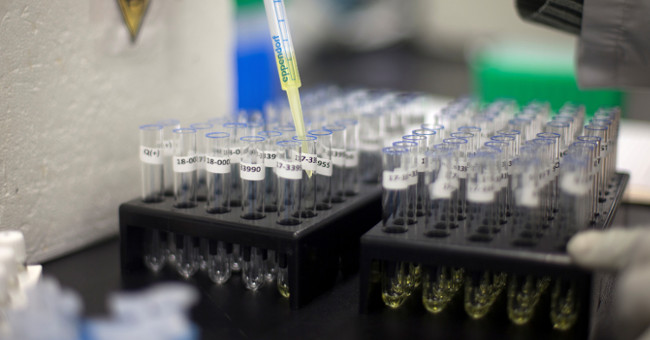
From 2 years ago, Japan's leading technology corporation Hitachi developed the basic technology to detect breast cancer and colon cancer by using urine samples.

According to The Guardian (UK) on January 19, this new blood test gave a positive result about 70% of the eight most common cancers when tested in more than 1,000 patien…

Inspired by his mother, who died of the disease, Julian Rios Cantu, a high school student from Mexico, designed a bra to help detect breast cancer early.
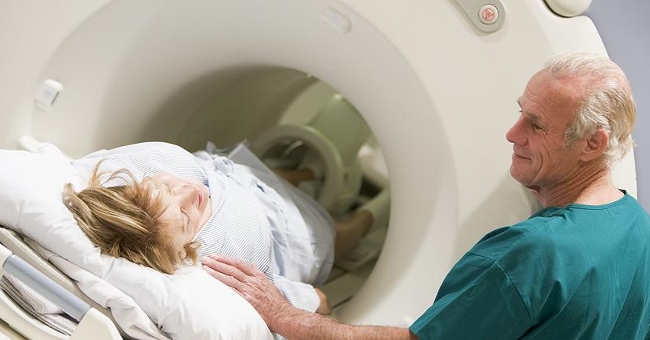
Diseases such as thyroid cancer, type 1 diabetes and HIV are often difficult to diagnose in the early stages of incubation. However, this problem is no longer difficult…
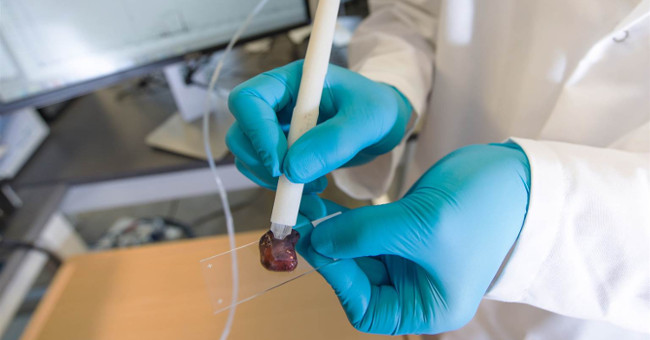
Scientists from the University of Texas (USA) have invented a tool to detect cancer tissue in just 10 seconds.

According to the Korea Herald, the BBB startup has built a device to help blood test and detect cancer signs.
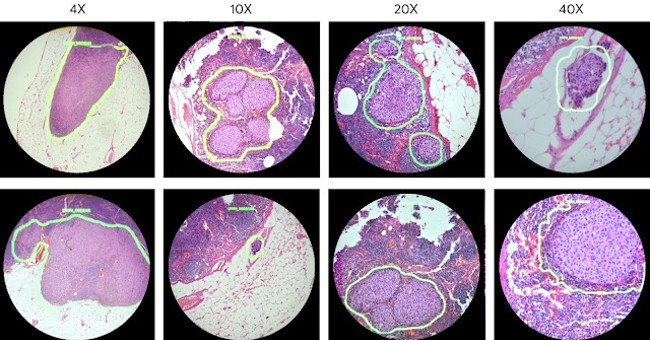
The process of analyzing biological tissues to look for signs of cancer - and if so, how much and what kind - of pathologists is an extremely time-consuming process.

It is difficult to detect cancer cells - only one in a billion blood cells is cancer. So how do you isolate and predict the earliest cancer to cure?
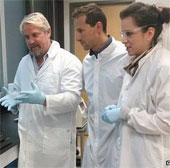
US technology firm Google is developing a device that can detect early signs of cancer, heart failure and many other serious diseases.
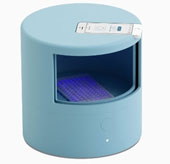
American researchers have introduced a new device that can detect dozens of types of cancer by means of a one-time blood test.

The use of FSH receptors can detect tumors in different parts of the body through CT scans.
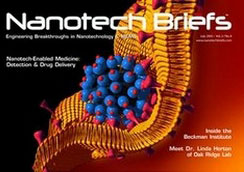
Researchers have used a variety of nano-sized nanomaterials developed to be sensitive enough to detect early cancer (a disease that is easy to treat).