
Medicine - Health
3D biological printing, pharmaceutical industry revolution
In order to be able to print biologically in these agencies, 3D printers must mimic their activity in nature - both in terms of their arrangement and biological needs.
Browse ScienceInfo articles and explainers related to Cell.
3,353 published items.
In order to be able to print biologically in these agencies, 3D printers must mimic their activity in nature - both in terms of their arrangement and biological needs.

Scientists at Australia's Monash University have looked at the process of white fat transfer - which is a place of energy storage - to brown fat used to burn energy and…
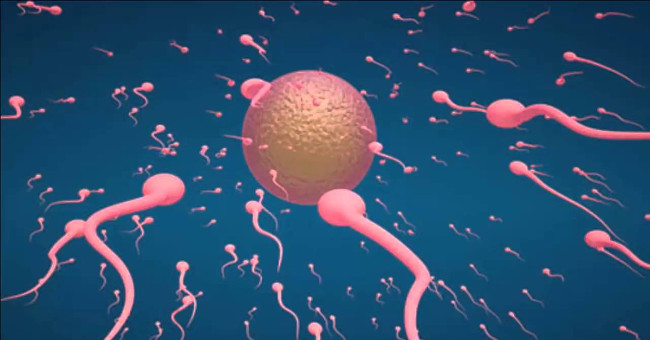
Have you ever wondered how the sperm process meets eggs and how long it takes them to meet?
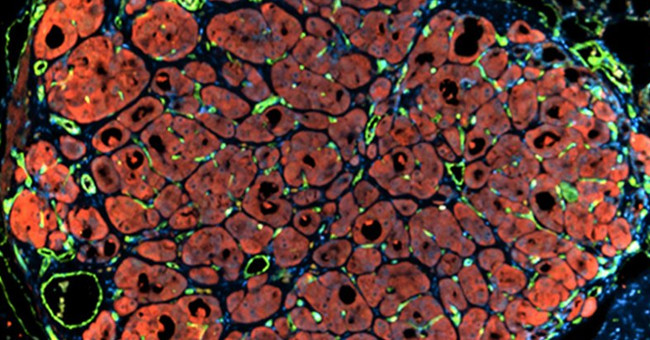
The research team includes several US research institutes. They created sub-sections of liver tissue, then transplanted into mice with damaged liver.
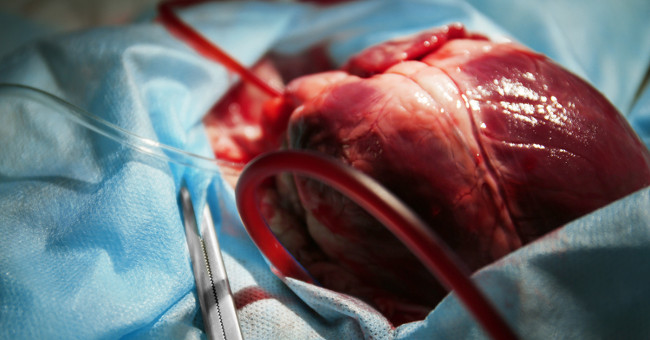
In the American Heart Association's Basic Cardiology conference in Portland, Oregon, USA, researchers in Sweden presented the technique of turning rat heart into human h…

Each blood group has its own characteristics, the structure of blood vessels can be broken if improperly transmitted blood group is compatible.
Finding a way to create alternative organs would be a major revolution for the current medical industry. Because this will save thousands of people without organs for re…
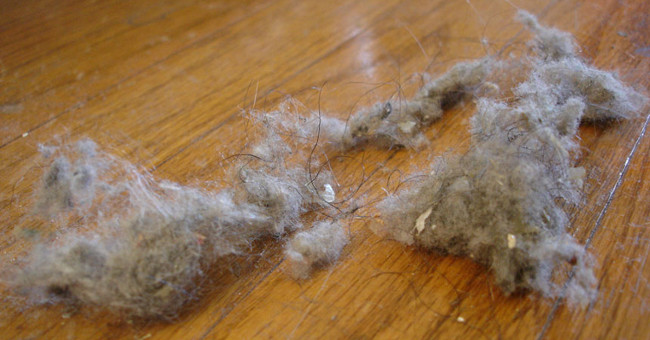
To house indiscriminately, dirt - besides you are prone to respiratory diseases, allergies ... believe it, this habit also makes your waist bulge abnormally!
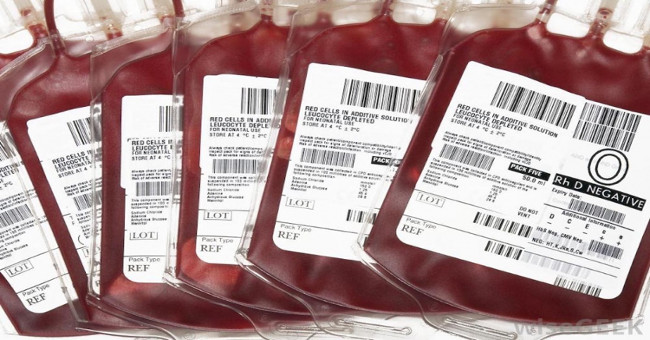
All blood contains the same basic components: red blood cells, white blood cells, platelets and plasma.

According to a reporter in South America, scientists at Federal University of Rio de Janeiro (Brazil) have discovered a way to prevent Alzheimer's development in animals.
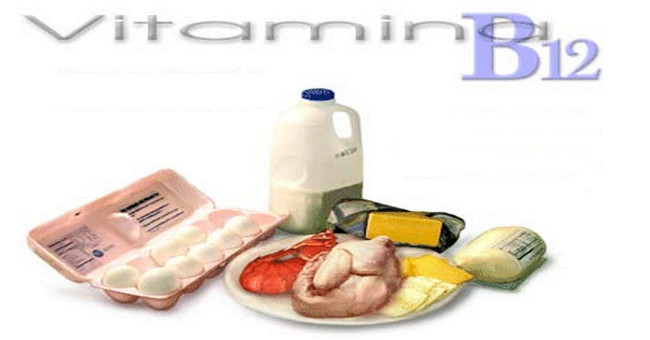
In 1948, Rickes isolated from pig liver a red crystalline substance named vitamin B12, then four Nobel prizes were awarded for studies related to vitamin B12.
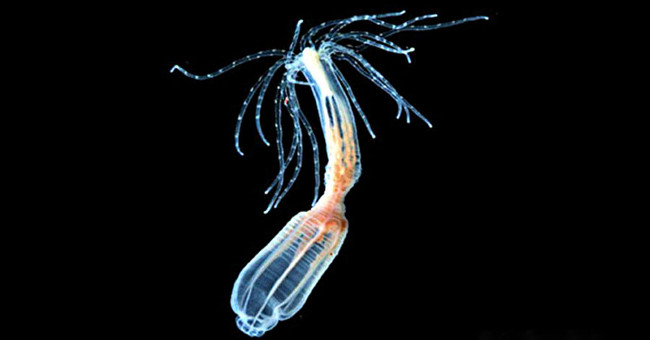
The most important part of the human body and also the most difficult to replace, is the heart. But in the future, we will recreate it.
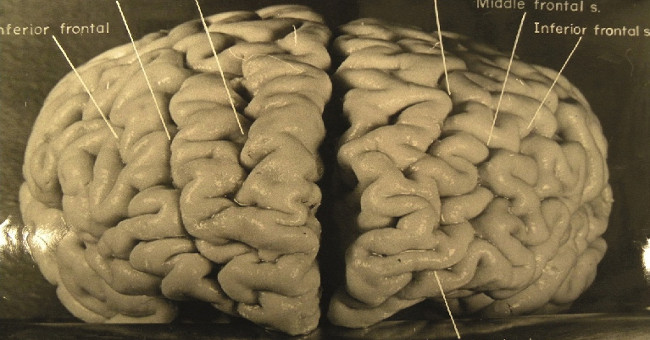
Albert Einstein (1879-1955) was a genius and outstanding scientist in the history of human development.
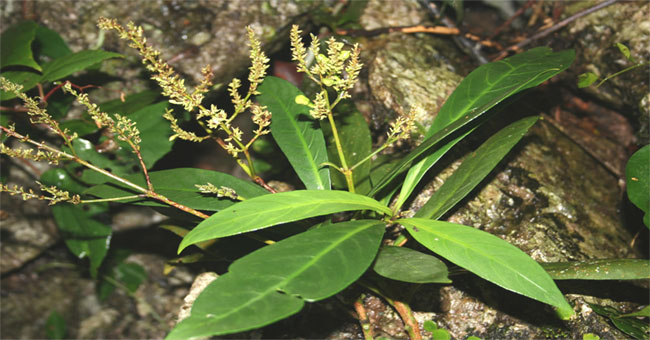
To find new weapons against HIV-AIDS, researchers screened more than 4,500 plant extracts and findings of patentiflorin A, potentially inhibiting reverse transcription (…
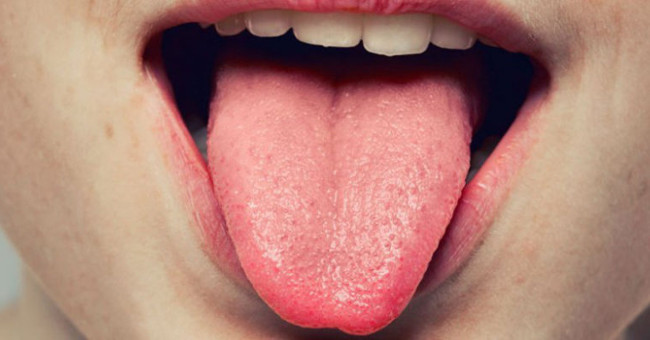
From ancient times to now, scientists have always tried to find out whether the tongue of mammals can taste the taste of water. After decades of research, they finally f…