Medicine - Health
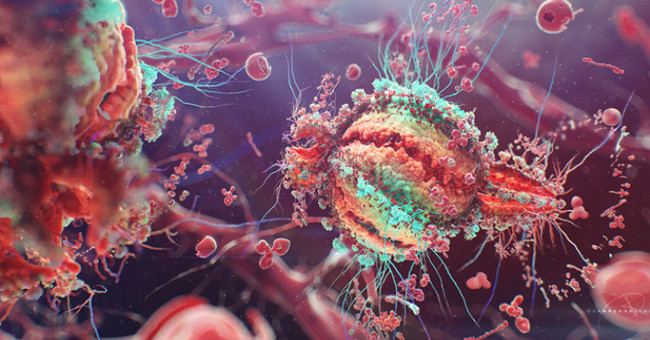
It is possible to detect HIV-infected T cells that are
AIDS patients will have to live with the rest of their lives with drugs because HIV can hide in the immune system and react more aggressively if they stop taking it.
Browse ScienceInfo articles and explainers related to Cell.
3,353 published items.
AIDS patients will have to live with the rest of their lives with drugs because HIV can hide in the immune system and react more aggressively if they stop taking it.

Surely you will be extremely excited to know how happy cells look!

When liver cells are inflamed and damaged over many years, the dead cells will gradually be replaced by fibrous tissue and begin the process of cirrhosis.
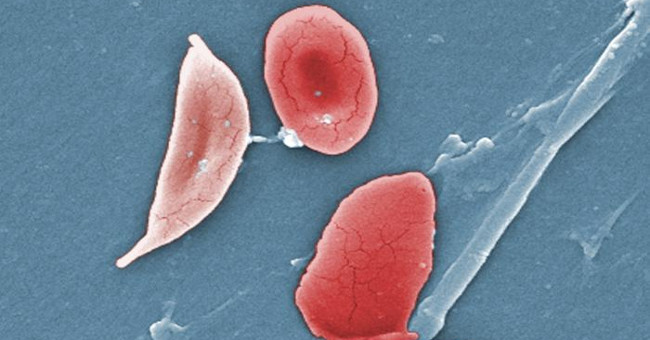
According to the French newspaper Les Echos (Echoes), the medical community has just recorded the first success in anti-sickle cell gene therapy - a genetic disorder cau…
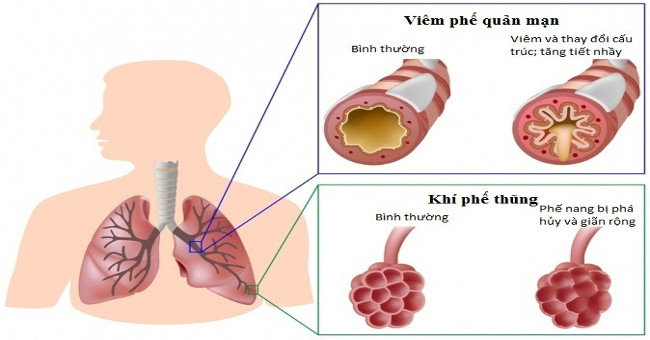
Currently, in the world, stem cell therapy has been studied and used to treat many different diseases, including lung diseases such as chronic obstructive pulmonary dise…

Regaining limbs, even reconstructing the heart or brain is ... possible.
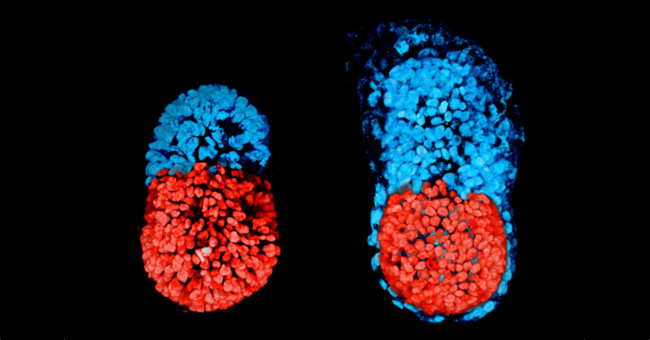
British scientists successfully built the world's first artificial embryo in the laboratory using stem cells.
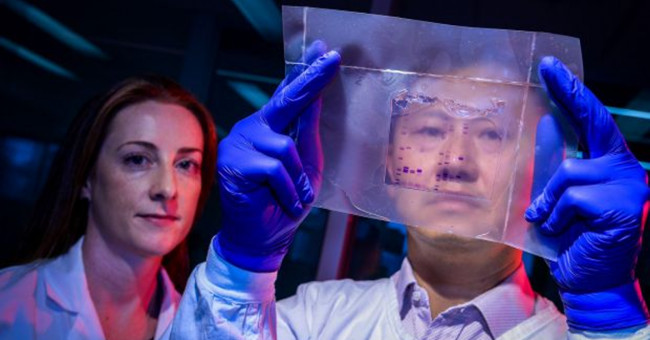
The human body can defend itself against HIV, scientists have discovered miracles, and exploiting this weapon will change the way we treat and prevent viruses.
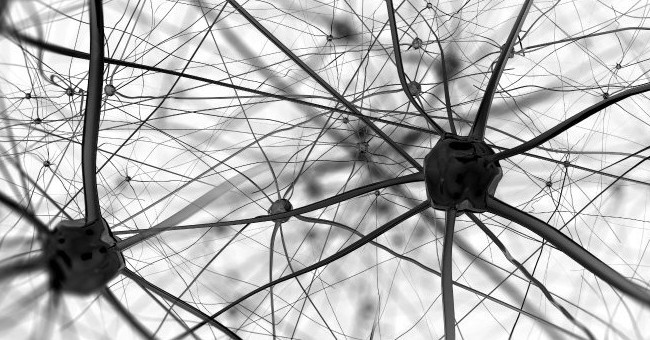
Scientists have discovered a completely new mechanism that governs how nerve cells in the brain communicate with each other to regulate learning and memory.
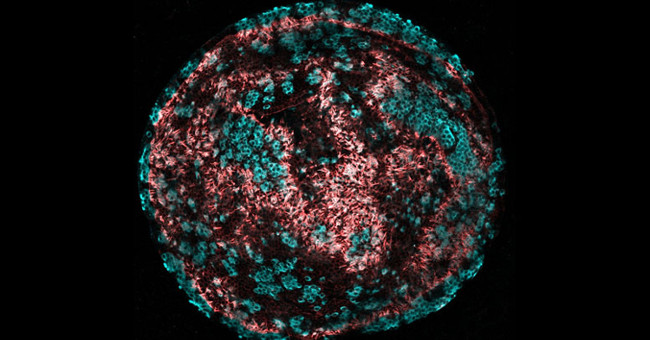
Researchers have developed a method to regenerate ear hair cells to help reverse hearing loss.

A new study in rats showed that you are nearsighted or not due to a specific type of cell in the retina.

In the future, humans can eat meat but do not need to kill animals thanks to the technique of creating meat from stem cells.

After birth, most mothers complain about their memory loss. Sometimes they think the reason is too busy.
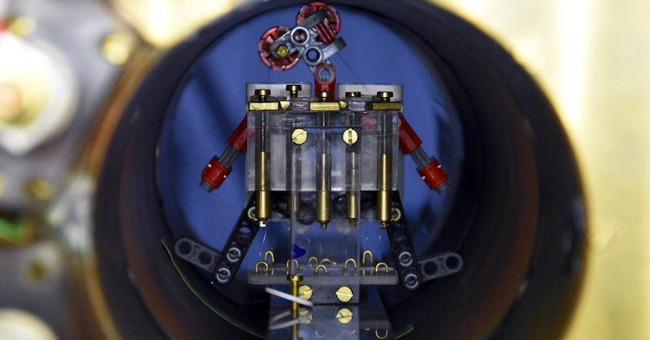
Scientists have worked for years to find ways to integrate robots into medical products.

Russian biologists at Moscow National University have successfully tested a drug that can slow down the aging process of cells.