Medicine - Health
Making blood from human skin
From skin cells, a group of scientists at McMaster University, Canada, successfully produced human blood.
Browse ScienceInfo articles and explainers related to Cell.
3,353 published items.
From skin cells, a group of scientists at McMaster University, Canada, successfully produced human blood.

Japanese biologists have created mouse sperm in the laboratory by metabolizing their stem cells. From this cell, they gave birth to a very healthy group of mice.
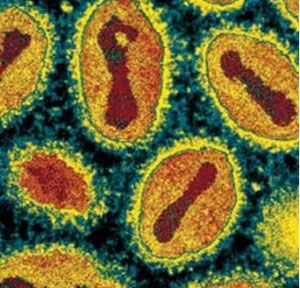
Smallpox virus after genetically modified has the ability to attack, kill cancer cells and shrink cancerous tumors but is still completely harmless to healthy cells.
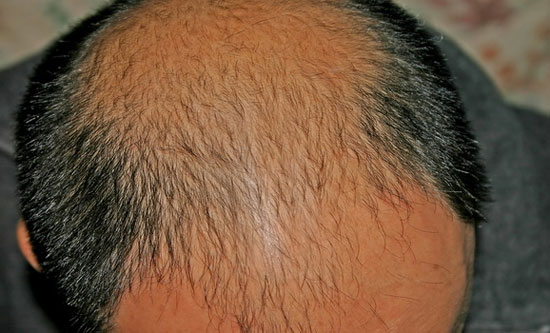
Researchers from Yale University in the United States have discovered the source of signs that promote hair follicle regeneration, stimulate hair growth, and form new ha…

Stem cell researchers in Hong Kong and the United States are trying to develop replacement parts for people with stem cell heart disease within the next five years.
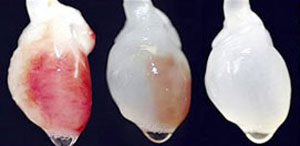
Up to now, there are 17 hearts who are in the formation stage at the laboratory of the University of Minnesota, USA.

British scientists have for the first time created skin stem cells from people with Parkinson's disease - common tremor in the elderly.
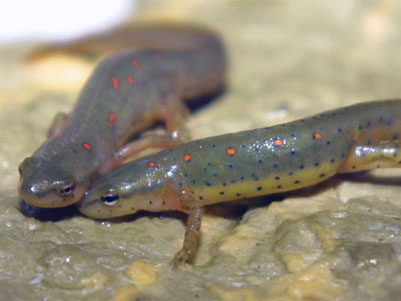
Stem cell researchers at UCLA, USA, have discovered for the first time: Because the human body is much larger than newts and salamanders, so we need to More heart to mai…
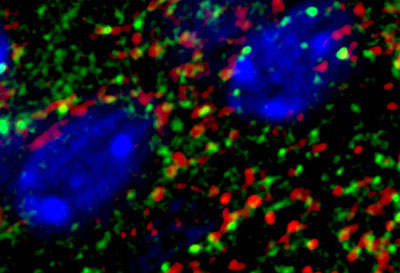
Researchers at the University of California, Santa Barbara, USA and the Sanford-Burnham Medical Research Institute, have discovered a link between a high-fat diet ...
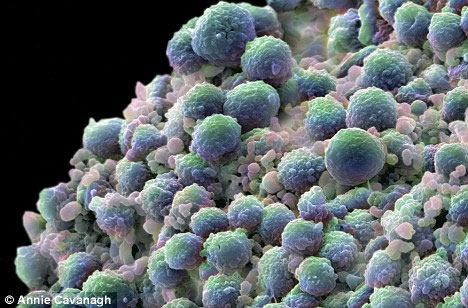
Scientists from the British Medical Research Council have discovered that a gene can control the development and spread of prostate cancer cells.

Men have long observed that men are less likely to have infections than women, but only by recent studies, explains Dr. Carlo Pergola, Jena University's School of Pharma…

When people diet, brain cells deal with malnutrition by
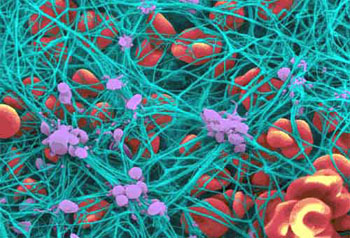
A new technology that helps control cellular interactions at the nanoscale has achieved unprecedented results.

A secret that has just been revealed from British scientists was shocking when they were holding about 150 hybrid embryos between humans and animals.
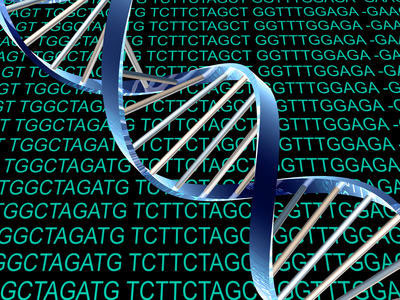
For decades, scientists have known that DNA is structured by four basic base units - adenine, guanine, thymine and cytosine.