New technology
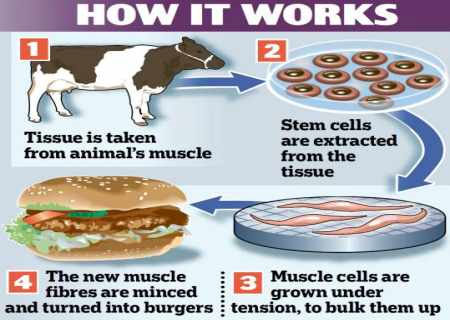
Produce meat without slaughtering cattle
Recently, a team from the University of Maastricht (Netherlands) has developed artificial beef grown from 10,000 stem cells of cattle.
Browse ScienceInfo articles and explainers related to Cell.
3,353 published items.
Recently, a team from the University of Maastricht (Netherlands) has developed artificial beef grown from 10,000 stem cells of cattle.

The single-celled Giardia parasitoid is known to be very common in human intestinal tracts and other animals.
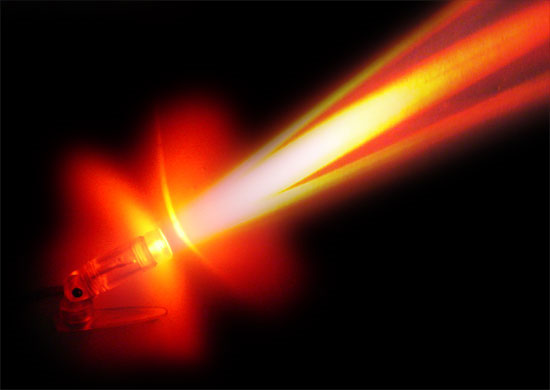
In the future fuel will become unnecessary for unmanned vehicles, because they can operate by laser, a US company claims.
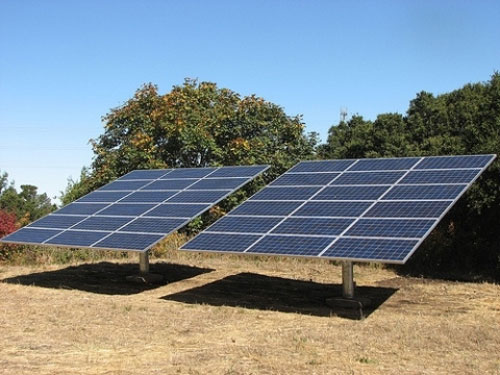
According to scientists, the new material stores and releases heat at specific temperature requirements. Thus, it can significantly reduce the costs of heating and cooli…
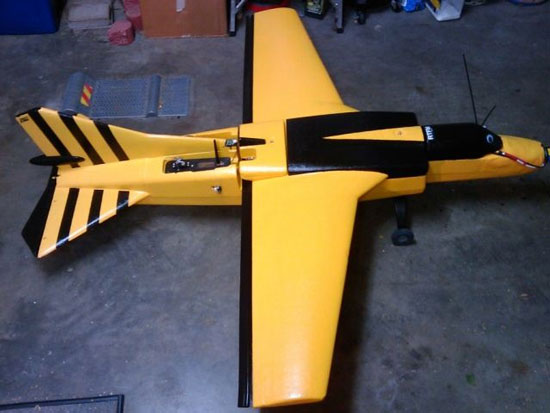
US computer security experts have successfully built a drones that, according to them, hackers can easily design and use to attack cell phone networks and the internet.
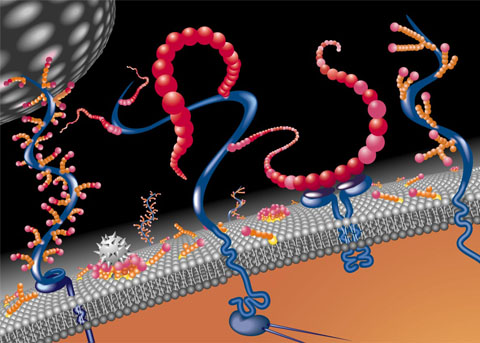
Developers of drug therapies have been searching for long-term drugs that are able to access cell receptors that regulate 'stress-suppressive reactions' in the human bod…

Bio-fuel for fighters, marine batteries for marine batteries are environmentally-friendly technologies used by the US military.

Having a carrier-like design, Tûranor PlanetSolar has become the world's largest solar-powered vessel.

Researchers at Purdue University create a unique system that can absorb heat from automotive exhaust to generate electricity while reducing fuel consumption.

Researchers in Japan have developed a cell phone with a soft, skin-like texture that makes the user feel closer to the person talking on the other end.

The new technique will shrink the size of the dark-looking glasses, which are cumbersome, down the coin.

Made from non-magnetic metals and using fuel cells, the latest German super-submarine almost does not produce sound or heat.
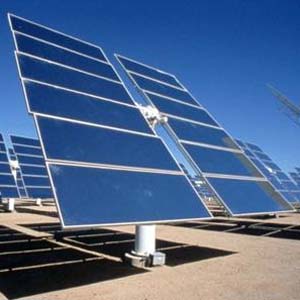
Japanese scientists have successfully developed a technology that can help reduce the cost of solar panels that are environmentally friendly.

Instead of using the phone to take pictures of friends, California residents in the United States use it to check air pollution levels at their workplace and home.
Advances in understanding the rotation of living cells can help researchers 'illuminate' the causes of deadly diseases.