New technology
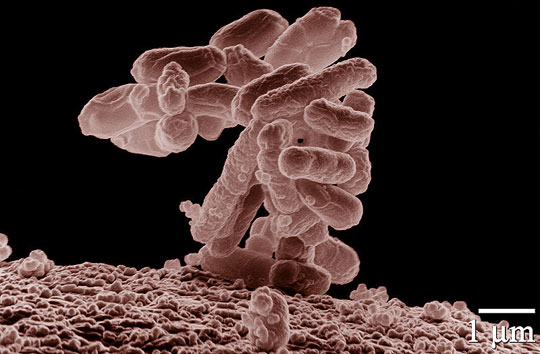
Scientists use E. coli to store data
Researchers at the University of Hong Kong managed to put 90GB of data into the DNA of a cluster of 18 E. coli bacteria.
Browse ScienceInfo articles and explainers related to Cell.
3,353 published items.
Researchers at the University of Hong Kong managed to put 90GB of data into the DNA of a cluster of 18 E. coli bacteria.

A company in the United States has launched a costume that is capable of producing electricity through solar panels. At $ 920, one can own a Go Urban Cargo trousers ...
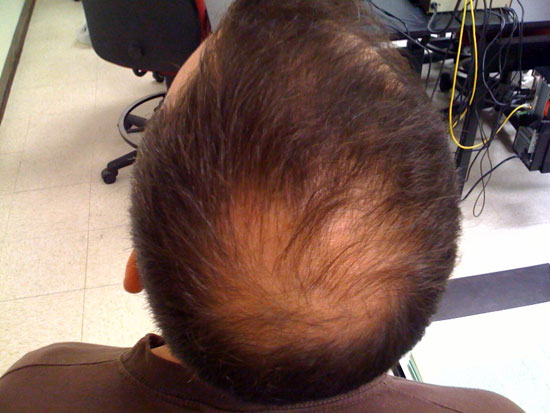
German scientists have successfully cultured artificial hair follicles from animal cells, which are thinner than natural hair follicles.
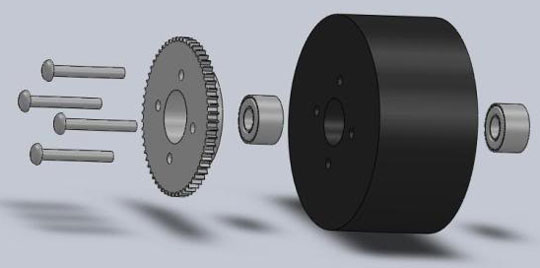
Technical experts from the University of Bristol (UK) said that they could soon make the device to open the screw with ultrasound because the technology has recently mad…
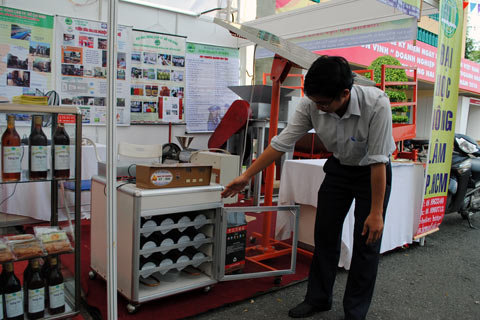
Incubator for solar energy is produced by the research of Master Le Van You, Head of Automation Department, Faculty of Mechanics - Technology, University of Agriculture…

US scientists have researched devices that connect the human brain with machines that help the human brain control computer technology.

With elaborate research and advanced techniques, people today can virtually intervene and transform ...

Blood will become a new tool for forensic experts to determine the age of the perpetrator or victim at the crime scene.
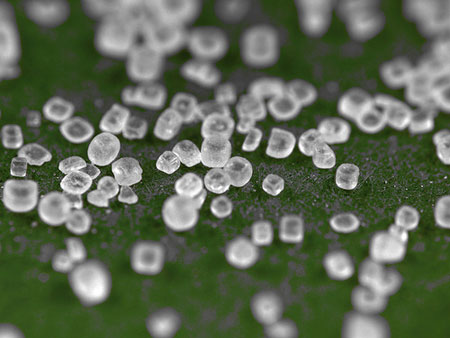
The lithium batteries that we see in cell phones and laptops can be shrunk with salt in the future.

A toxin in the scorpion's venom may help boost the success rate of surgery.
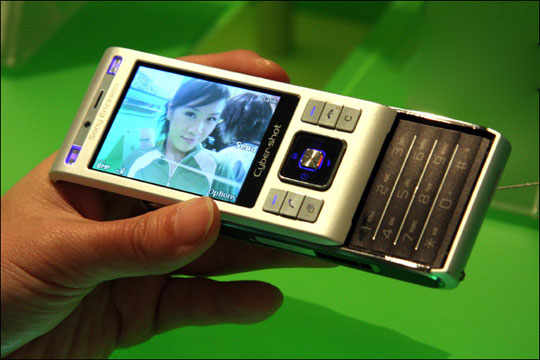
Scientists at the University of Manchester have developed a software for cell phones so they can recognize users face-to-face in real time.

A truck solar-powered air conditioning system will be available in the market in early 2012.
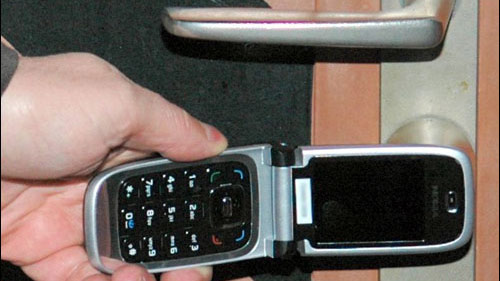
Travelers at a hotel in Stockholm could use a cell phone instead of a key or magnetic card to open the door.
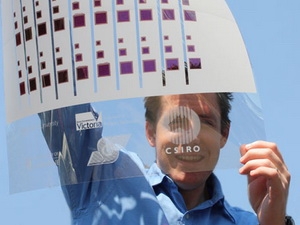

Scientists say electric shocks can restore memory to patients. Accordingly, transmitting a small amount of energy to the brain can help restore memory 11%.