Archeology
Animals carry jaws that can crush dinosaurs
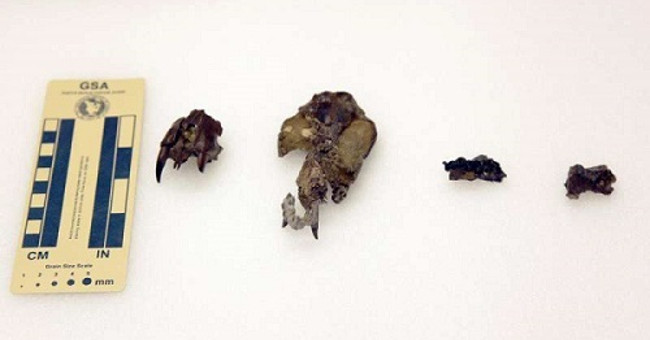
Didelphodon vorax is the largest marsupial in the Cretaceous with strong jaws that can crush prey, including dinosaurs.
Browse ScienceInfo articles and explainers related to Chalk.
64 published items.
Didelphodon vorax is the largest marsupial in the Cretaceous with strong jaws that can crush prey, including dinosaurs.
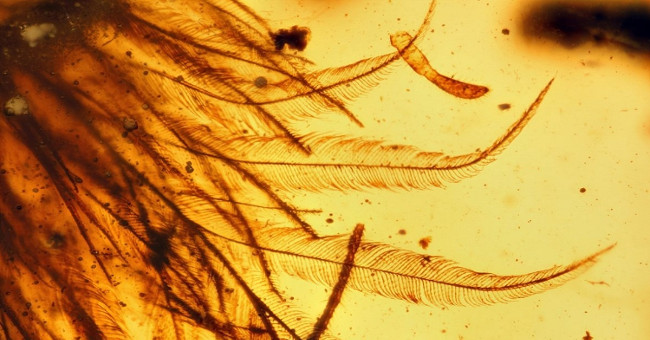
The amber contains dinosaur tails with covered feathers discovered at a market in Myanmar, believed to belong to a small dinosaur that lived 99 million years ago.
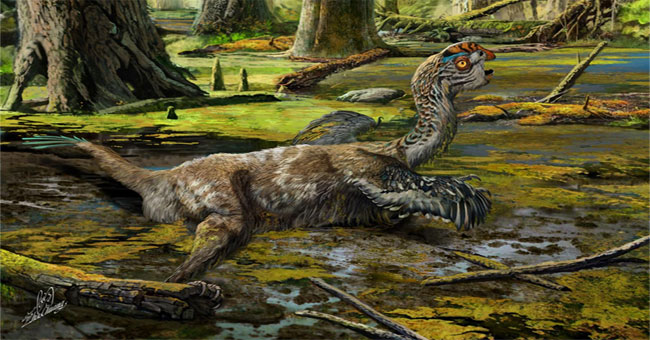
The impressive dead posture stored in the fossil record from 66 million years ago shows the slow and painful death of the dinosaur in the mud pit.
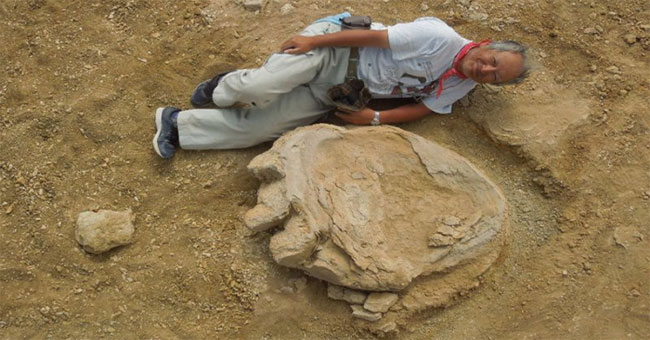
On September 30, scientists said one of the largest ever dinosaur footprints was discovered in the Gobi desert of Mongolia.
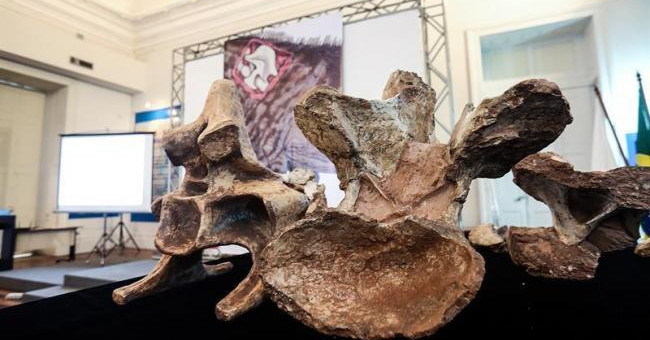
Brazilian scientists have discovered fossils of unprecedented large dinosaurs with a body length of up to 25m.
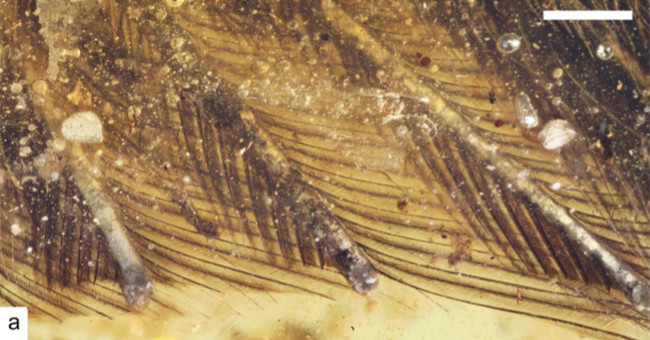
A great discovery of scientists and archaeologists in the study of the history of the structure and development of birds.
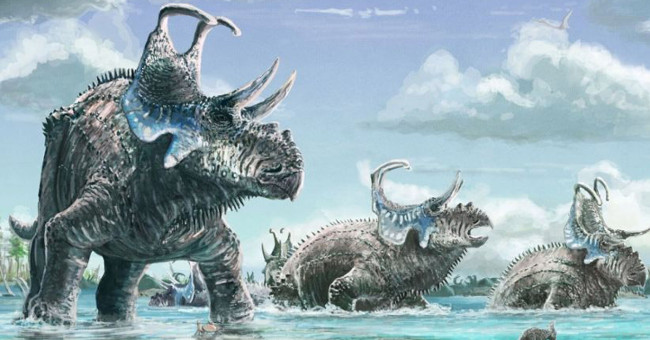
Archaeologists have excavated fossils of new grass-eating dinosaurs in the Cretaceous Period.
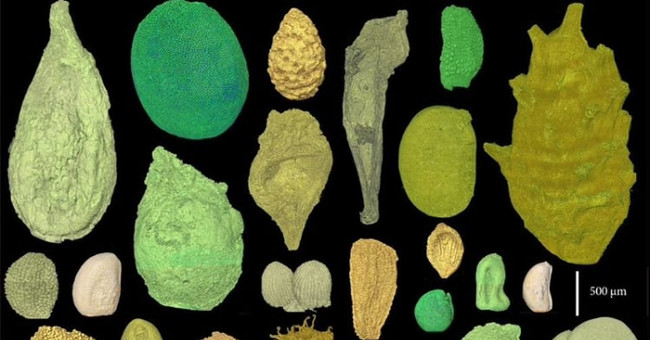
Scientists found clues to ancient flower varieties that existed at the same time as the dinosaurs Ankylosaurus and Iguanadon.
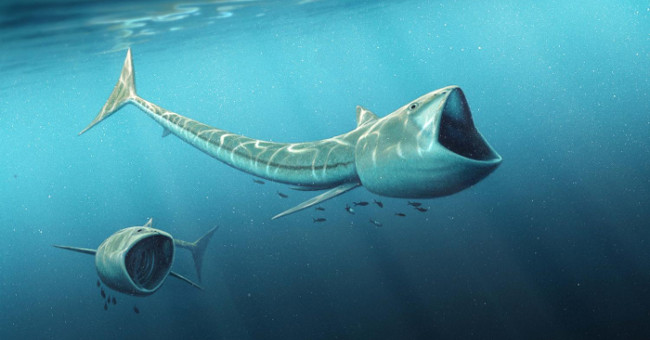
The flat-headed, half-meter-long fish survive in the ocean of 92 million years ago by eating plankton.

On July 23, scientists have discovered fossils of four-legged snake species in Brazil, the only specimen to date, sparking the assumption that the ancestors of reptiles…
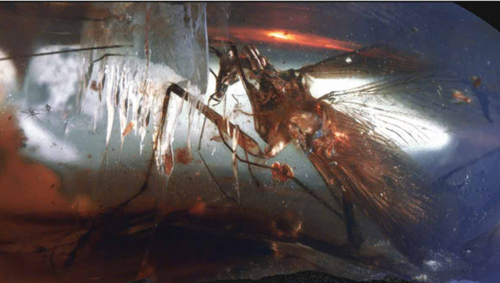
Prehistoric cockroaches were predators at night and had a slightly mantis-like appearance.
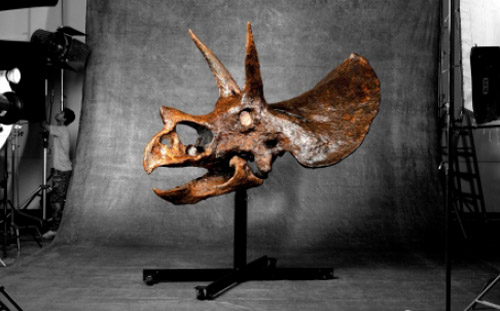
The world's largest dinosaur skull is being sold in Hong Kong for about $ 1.8 million.
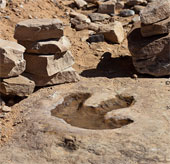
According to scientists, these are the 70 million-year-old dinosaur footprints believed to live in a swarm of duckbills and are sheltering in the forests of Alaska.
Japanese researchers say they have found the head of a fossilized sea turtle about 70 million years old.

Early birds 100 million years ago gave up the long bone tail in exchange for flexible legs and evolutionary advantages.