Animal world
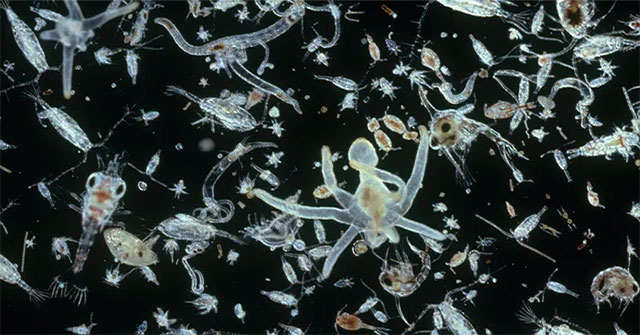
Plankton - The planet's largest CO2 storage 'store'
Not the land or the trees, the sea is the most effective permanent storage of CO2.
Browse ScienceInfo articles and explainers related to Chalk.
64 published items.
Not the land or the trees, the sea is the most effective permanent storage of CO2.

Scientists on July 1 announced the discovery of amber fossils from the Cretaceous period still preserve the true colors of ancient insects.
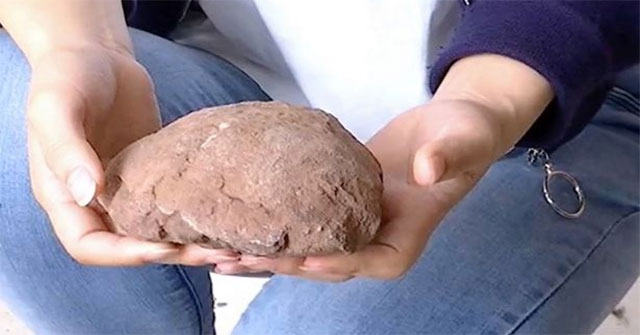
4 students accidentally discovered 6 dinosaur eggs 66 million years ago when going out in rural areas of Jiangxi province, southern China.
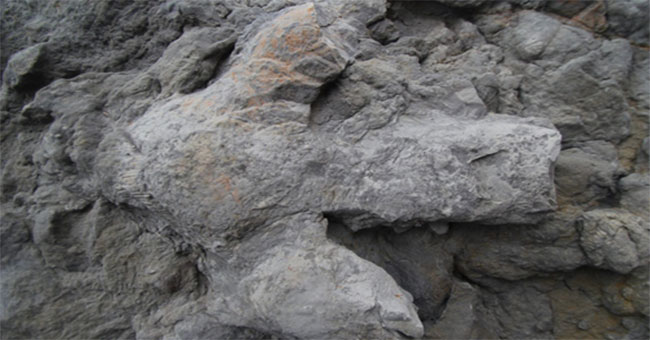
Scientists found 85 dinosaur footprints from the Cretaceous well preserved in humid environments.
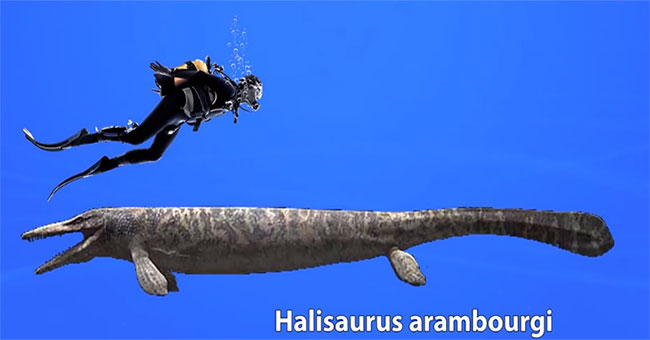
Dragon lizard is a large sea lizard family that lived in the late Cretaceous period. The largest species can grow to 18 meters in length.

Smooth sandy beaches are always as beautiful as dreams. But carrying the sand home is a nightmare!

Are you frustrated when things you use for a long time always leave behind
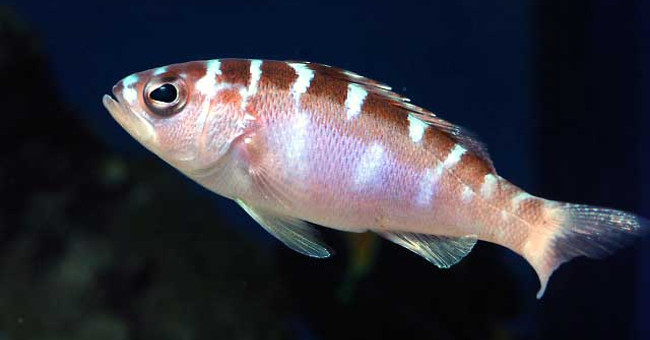
Grouper Chalk live in small Caribbean reefs that can change sex up to 20 times a day.
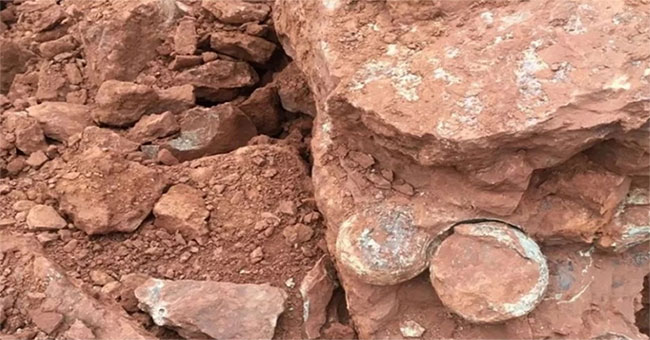
According to local newspaper Zhezhong News, the giant eggs were discovered by a team of excavation workers in Nghia O town last Thursday.
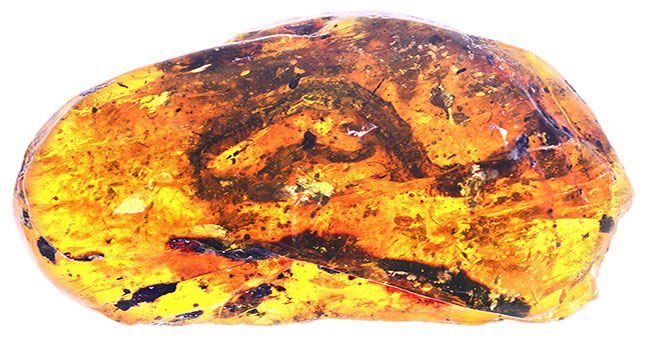
The young snake crawled out of its shell 99 million years ago in Southeast Asia without a chance to grow up. Instead, it was hit by tree sap and eventually died hard in…
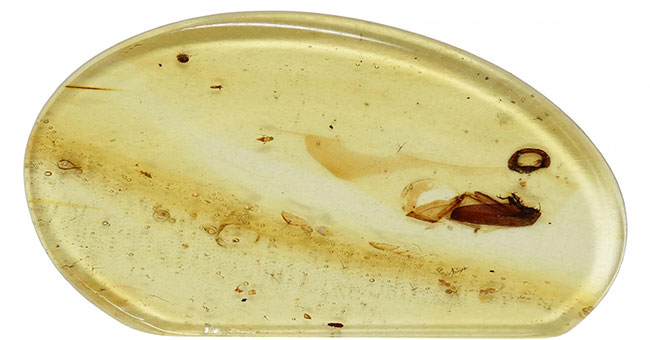
Scientists found a 0.536mm-long creature in a 99 million-year-old amber, Newsweek reported on June 11.
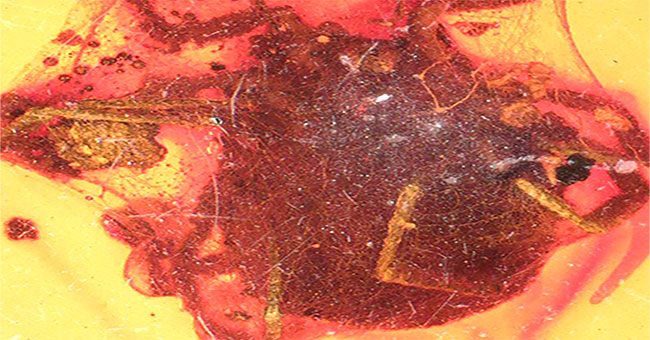
A group of scientists at the University of Kansas discovered that the body sucked blood in amber from the Cretaceous period in Myanmar, Fox News reported on June 18.
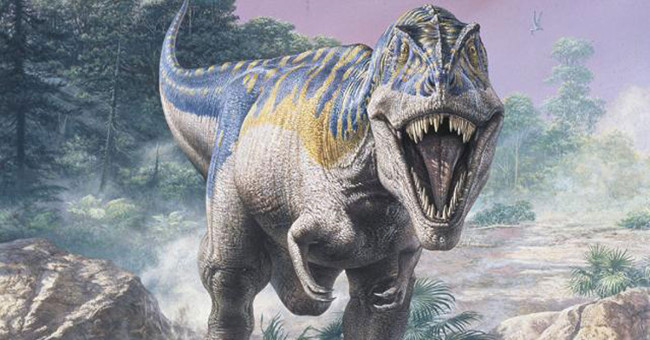
Scientists reject the hypothesis that Tyrant T. rex grew like a bird.
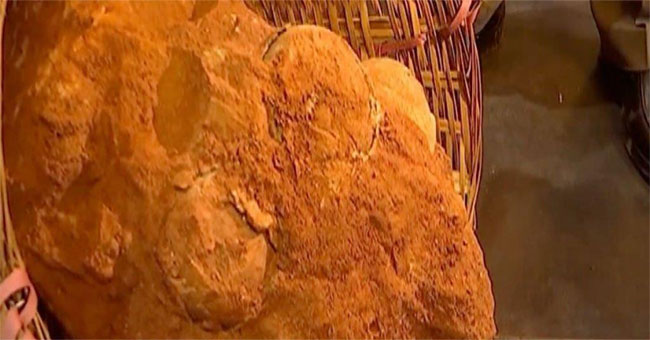
Fossils of 70 million year old dinosaur eggs were discovered at a construction site in southeast China.

The reason that dinosaurs cannot survive the mass extinction event in the late Cretaceous period may be because their incubation period is too long.