
Discover science
What Are Quarks?
Quarks are elementary particles that carry electric and color charge. They bind through the strong interaction to form hadrons such as protons and neutrons.
Browse ScienceInfo articles and explainers related to Charge.
251 published items.
Quarks are elementary particles that carry electric and color charge. They bind through the strong interaction to form hadrons such as protons and neutrons.
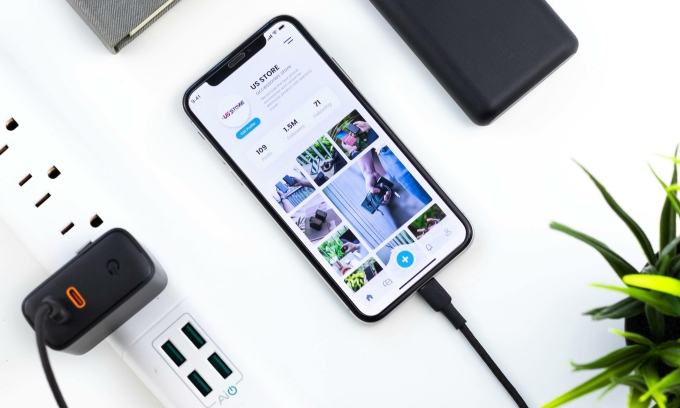
Unplugging your phone charger may seem like a small habit, but it plays an important role in minimizing safety risks, saving energy, and prolonging the life of your devi…
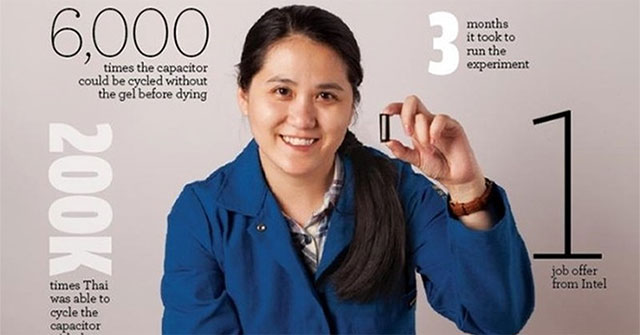
Dr. Mya Le Thai and her colleagues have invented a battery that can be charged up to 200,000 times, helping to prolong the life of the battery.

What kind of car would a mini electric car combined with a pickup truck make?

Does antimatter really exist? How powerful is antimatter? Is antimatter expensive, how much is it worth?

E-Dina is a Colombian start-up specializing in renewable energy that has developed a new wireless light called WaterLight.

Laibo 2, a robot dog developed in South Korea, has become the first robot to complete a marathon on a single charge after running 42,195 km.
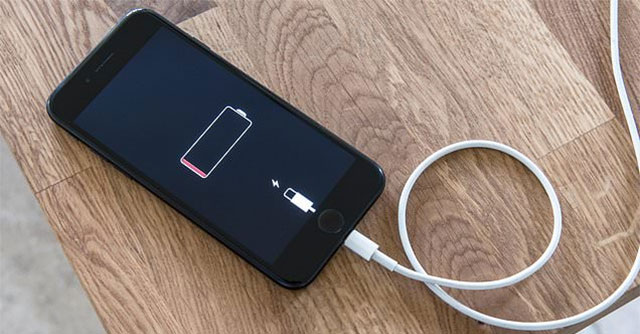
Thanks to a breakthrough study from the University of Colorado (USA), the possibility of a smartphone being able to fully charge in 1 minute is no longer a far-fetched d…

A group of experts at the University of Texas is developing technology that allows electric discharge to charge drones in mid-air based on electromagnetic waves.

Today we have discovered exoplanets thousands of light years away from earth.

Lithium batteries are commonly used in bicycles and electric motorbikes today. If a fire occurs, it will be very difficult to extinguish with conventional fire extinguis…
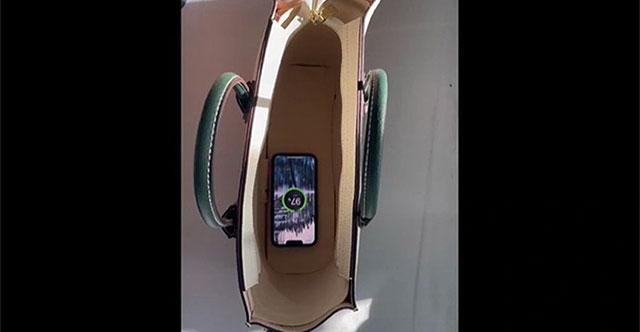
Chinese scientists have just introduced a type of bag and fabric that can charge phones extremely conveniently.

Always plugging in a laptop charger even when the battery is 100% full is a habit of many users.
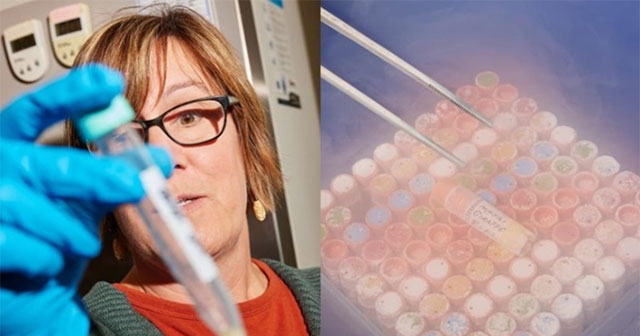
San Diego's frozen zoo has just four researchers in charge of caring for more than 11,000 specimens, representing 1,300 different species and subspecies.
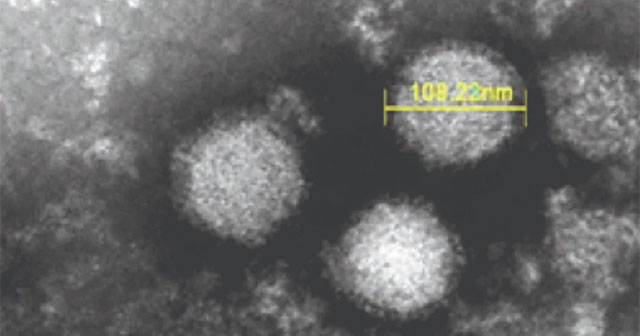
After the patient with febrile thrombocytopenia syndrome (SFTS) died, the doctor in charge of the patient's care also had similar symptoms and was diagnosed with SFTS.