
Environment
Radiation: the culprit of Thach Son cancer village?
With the most modern methods and analytical equipment, the domestic science group has contributed to delineating the culprits causing
Browse ScienceInfo articles and explainers related to Chemical.
1,184 published items.
With the most modern methods and analytical equipment, the domestic science group has contributed to delineating the culprits causing

Recently, the Institute of Plant Protection conducted an inventory of 25 tons of plant protection drugs (pesticides) in three drug stores in the provinces of Hai Phong,…

To ensure sufficient food for a population of more than 1.3 billion people, China must strongly use chemical fertilizers to increase crop yields. And the consequence is…

Experts warn that indoor air pollution is alarming, as 70% of people surveyed in a survey complain about the atmosphere in their place.
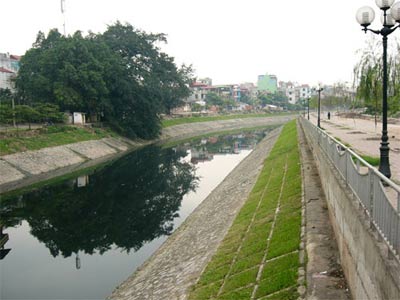
Research Institute for Rural Development Assistance (IRARD) on 24/8 proposed Hanoi City People's Committee to pilot the use of chemicals to clean up water in the To Lich…

During the Asian monsoon period pollutants are most strongly dispersed into the upper atmosphere, making them more lasting in the air and spreading globally.

Sludge from dyeing factories, leather shoes, centralized wastewater treatment ... will be treated with odors, adding chemicals to replace sand in concrete production.

Chemists from the Brazilian Federal University of Minas Gerais have announced the invention of a new method to absorb CO2 emissions from industrial facilities.

Venezuelan President Hugo Chavez announced that Cuban scientists will create rain to help the country get out of drought.

Very few people know that everyday items in the house are also a significant source of pollution for our home.

The team, led by scientists at the California Institute of Technology (Caltech), has discovered an unknown element in the process that gas produced by plants and other p…
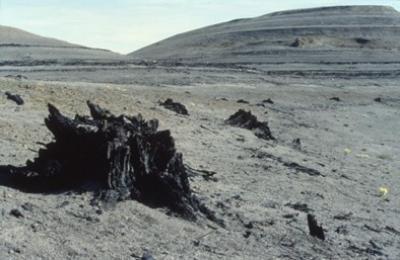
For climatologists, part of the challenge to predict the future is to find out exactly what happened in the past periods of global climate change.

Nature uses a substance capable of destroying pollutants to clean the air, but so far humans have not found this substance.
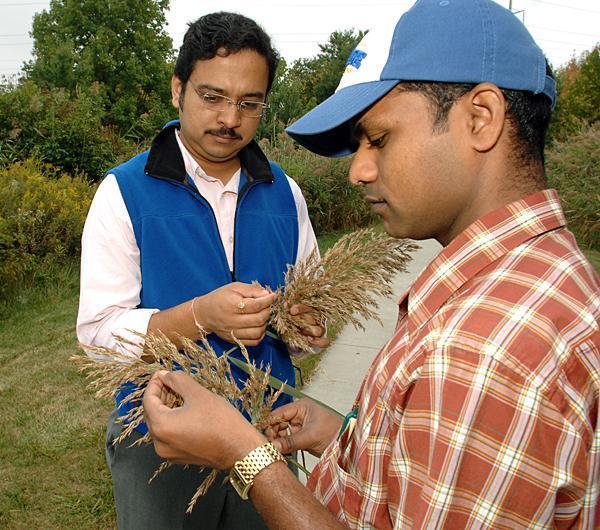
Researchers at the University of Delaware have discovered why the tall, flowering reed (Phragmites australis) is one of the largest invasive plants in the United States.

Smoke escaping in rocket launchers can erode the ozone layer, enabling harmful ultraviolet rays from the sun to penetrate the earth.