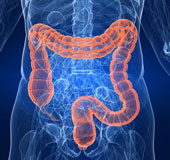
Medicine - Health
Mistletoe extract helps treat colon cancer
Australian scientists said that mistletoe extract may support chemotherapy or a chemotherapy alternative to treating colon cancer, according to UPI.
Browse ScienceInfo articles and explainers related to Colon.
90 published items.
Australian scientists said that mistletoe extract may support chemotherapy or a chemotherapy alternative to treating colon cancer, according to UPI.

People who eat a lot of fish will have a lower risk of colon cancer and even colorectal cancer, according to an analysis of 41 studies around the world by Chinese scient…
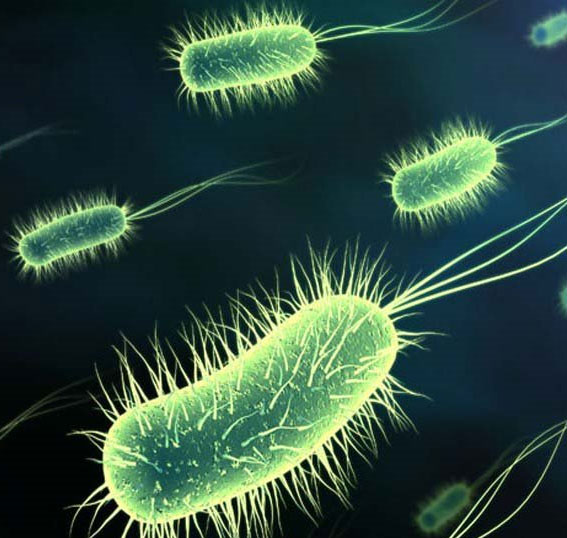
H. pylori is a common bacteria in the intestinal tract of half the world's population. Normally, H. pylori does not cause problems, but sometimes it causes ulcers and is…

US researchers believe that listening to Mozart music while performing colonoscopy can help doctors detect precancerous polyps more quickly, according to Top News.
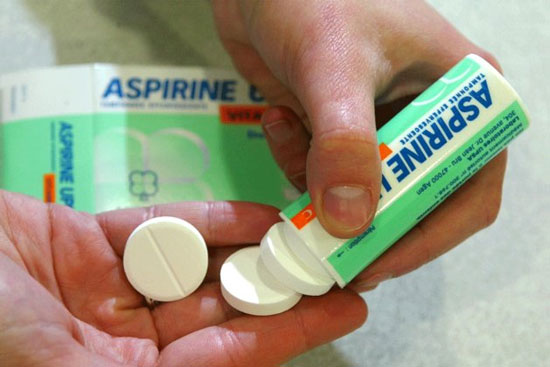
According to a new study in British journal The Lancet, long-term intake of aspirine helps prevent colorectal cancer in people at high risk of inheriting the disease.

According to a study published in the October issue of the American Dietetic Association, the absorption of fruits and vegetables has different effects on colon and rect…
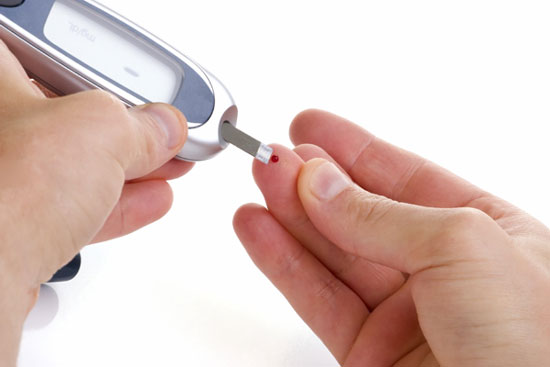
Australian scientists on August 31 said a study showed that men aged 55-84 years with type 2 diabetes had a double risk of developing colon cancer compared to those in h…
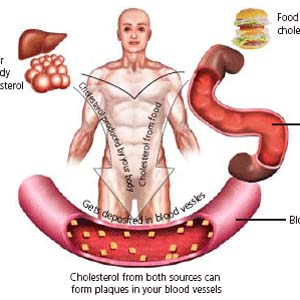
Scientists have found that high levels of good cholesterol (HDL) may help cut the risk of bowel cancer, according to a results published in Gut magazine.
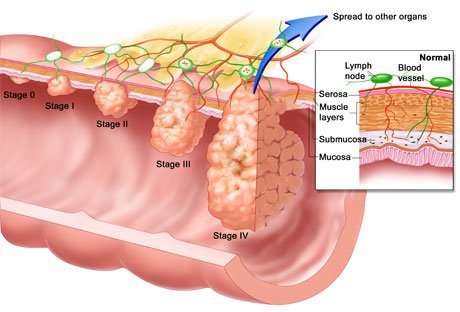
Scientists have discovered one
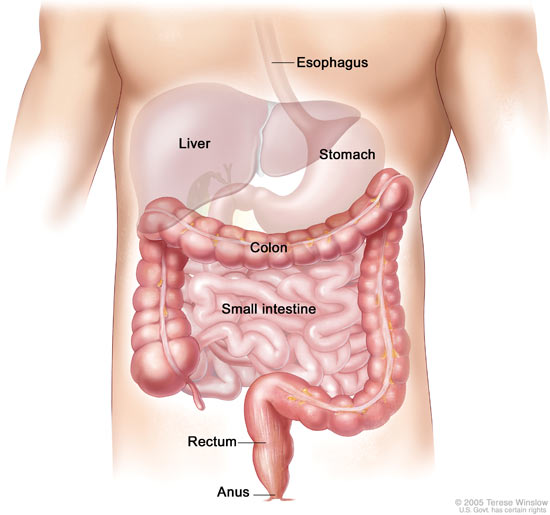
According to a study, published in the journal Public Library of Science Genetics, the scientists discovered a single variant in the human genome that could lead to colo…

US scientists have shown progress in using urine test methods to detect colon cancer.

People who eat a lot of fish oil and other omega 3 fatty acids may reduce the risk of colon cancer.

Blood levels of vitamin D are directly related to the risk of colon cancer.
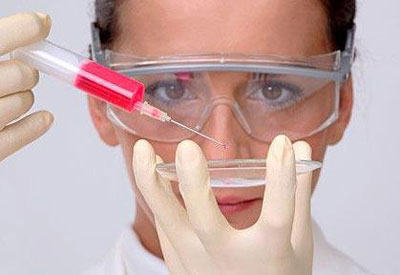
Scientists at Johns Hopkins University in the UK have found the bacteria that are thought to cause colon cancer, one of the most prevalent cancers in the UK.
Researchers led by Dr. Washington Irinani Dr. Brian Iritani found that Smad3-resistant molecules are very sensitive to bacterial and cancer inflammation.