Medicine - Health
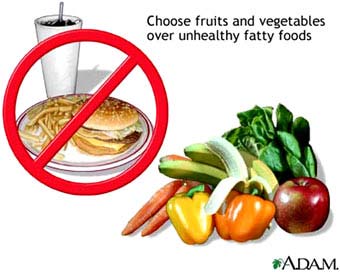
What to eat to reduce cancer risk?
No one can predict how old you will live because a person's life span is determined by many factors while longevity secrets are still something very mysterious.
Browse ScienceInfo articles and explainers related to Colon.
90 published items.
No one can predict how old you will live because a person's life span is determined by many factors while longevity secrets are still something very mysterious.

According to research by US experts, the risk of recurrent bowel cancer or death increases 3.5 times in patients according to 'Western diet', including red meat, french…
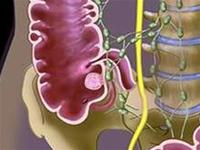
Gastrointestinal bleeding is a common emergency in hospitals, with a relatively high mortality rate (10-15%), so it is important to be studied.
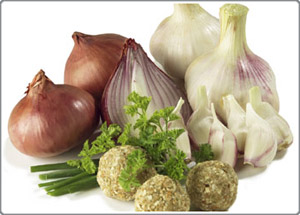
Previous studies, scientists have said spices such as onions, garlic, chili ... besides the effect to help people feel appetite, also helps their immune system to be str…
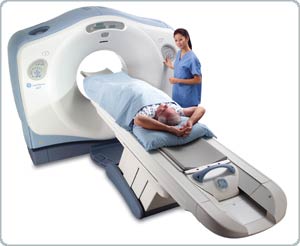
Medicine is growing, the equipping of high-tech facilities for diagnosis and treatment will help patients to reduce pain due to surgery, costly time, and money is an eff…
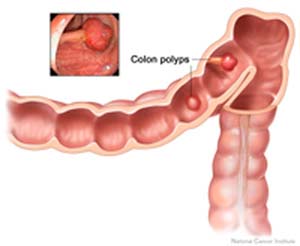
MONTREAL - Canadian scientists say a study in mice showed that too little folate or folic acid in the diet could increase the risk of colon cancer.

Men who eat foods rich in calcium and dairy products can lower their risk of colon cancer, researchers said recently.

A recent study has further raised questions about the usefulness of calcium and vitamin D tablets in bone protection in older women. Accordingly, calcium and vitamin D t…

A diet rich in magnesium may reduce the risk of colon cancer in women, US scientists said. According to the study authors, magnesium reduces the risk of colon cancer by…
Scientists in the US have confirmed that vitamin D reduces the risk of developing some common cancers by 50%, such as breast, colon, ovary, etc., not just at supporting…


According to Alkalinevalley, researchers in the US have discovered that in mango contains some substances that can prevent colon cancer and breast cancer cells.
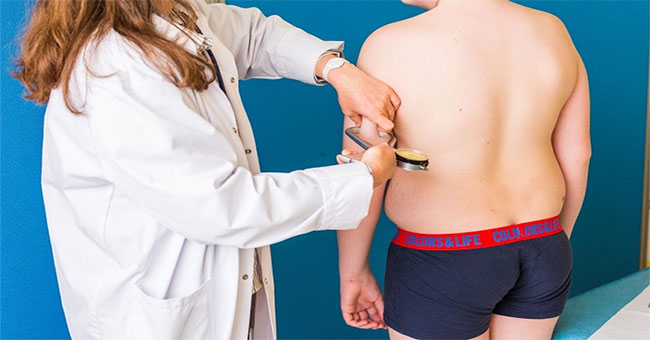
Researchers have found that the incidence of bowel cancer is increasing in Europe. They believe that waist size may be a major cause of this trend.
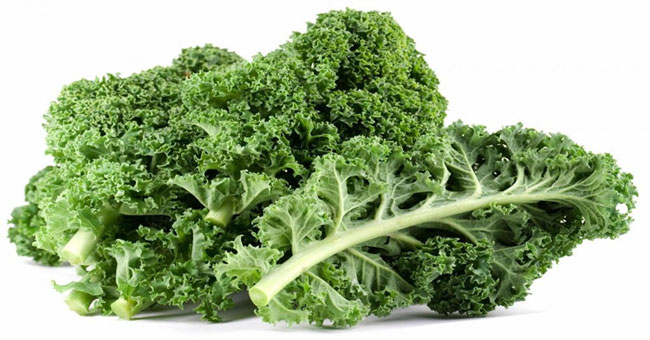
Science has long been known to protect the effects of cancers on vegetables, but now British experts explain it by finding an anti-cancer compound indole-3-carbino.
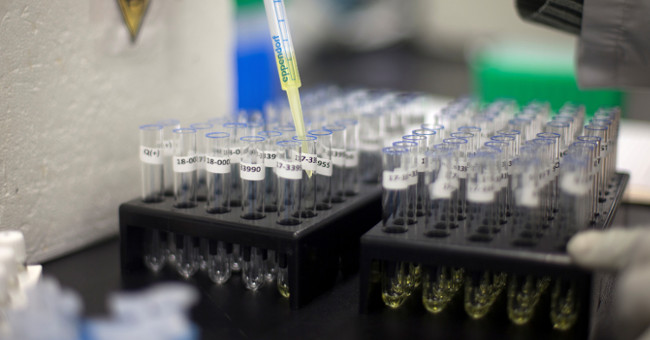
From 2 years ago, Japan's leading technology corporation Hitachi developed the basic technology to detect breast cancer and colon cancer by using urine samples.