Oceanography
The world's largest coral reef is seriously degraded
The report, released by Australian Environment Minister Mark Butler, shows that the Great Barrier Reef has been degraded since 2009 as a result of tornadoes, floods and…
Browse ScienceInfo articles and explainers related to Condition.
698 published items.
The report, released by Australian Environment Minister Mark Butler, shows that the Great Barrier Reef has been degraded since 2009 as a result of tornadoes, floods and…
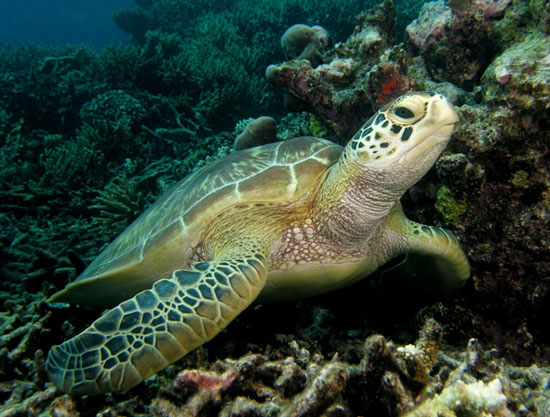
British scientists claim that some species of sea turtles have evolved to produce heat-resistant eggs to deal with hot sand on beaches that are inhabited by them.

Of the 7 species of seahorses in the Vietnamese waters, there are 5 species that were spawned under experimental conditions, of which the white-bodied seahorses are the…

Recent research by scientists at the University of Exeter shows that corals can recover themselves.
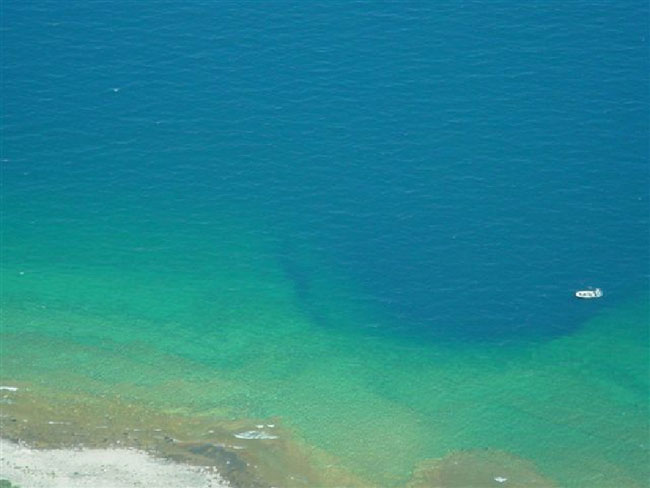
Strange geological formations are creating conditions for the floating microbial carpet to grow in the Great Lakes.
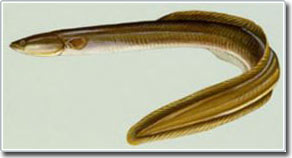
Eel species in the United States are disappearing very quickly from the restaurant menus because supplies are declining dramatically in the North Atlantic. While the rea…

A group of researchers saved about eight days in a nearly 20-meter deep sea laboratory at NASA Agency off Florida state.

About 700 million people globally are living in conditions of water shortage ...
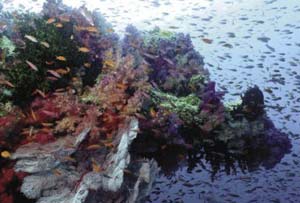
Corals can be damaged by a process similar to human decay. Under normal conditions corals live in symbiosis with unicellular algae, but when environmental pollution occu…
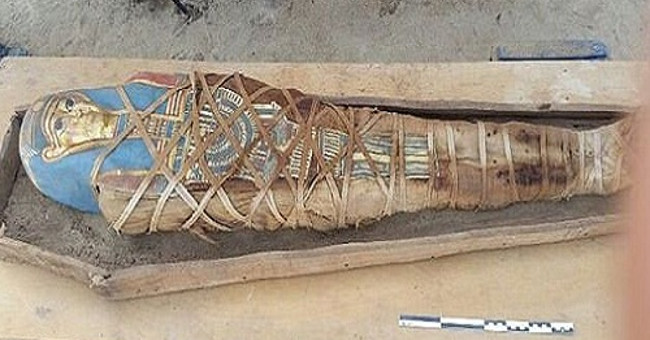
The mummy dates back to the Greek-Roman period (from 332 BC to 395) was found in good condition with linen wrapped around the corpse.
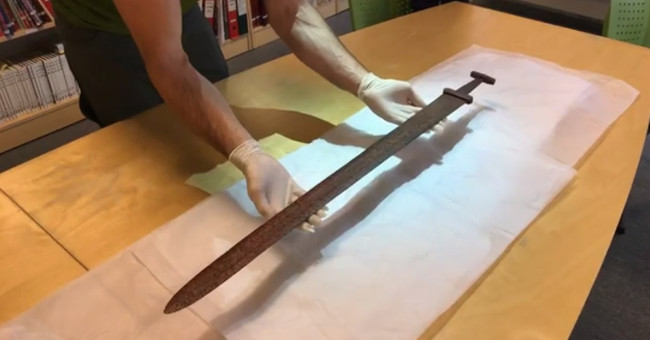
A group of Norwegian hunters found the Viking 1,200-year-old sword preserved in perfect condition on a high mountain.
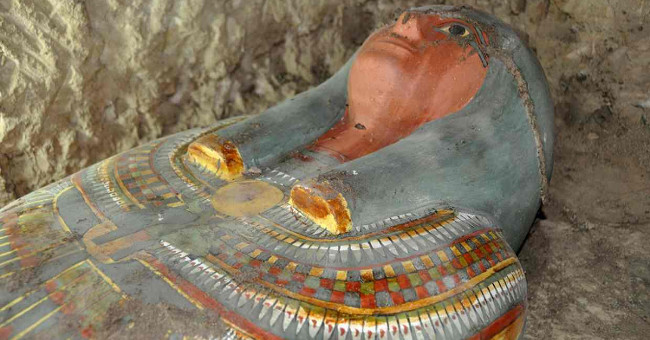
Spanish archaeologists discovered an ancient Egyptian mummy in
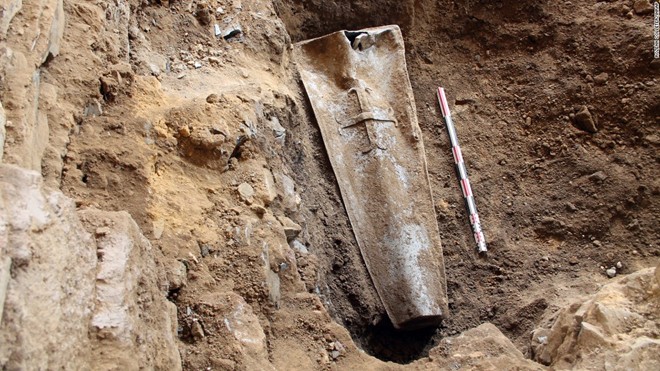
French archaeologists said the condition of the mummy is well preserved. Shoes, skirts and hats buried under the deceased are intact after more than 3 centuries.
Russian paleontologists have dug two dinosaur skeletons dating from about 100-200 million years but still in good condition.
Climate conditions are stable, so some ancient forms of people could survive here - the Russian expert Pavel Tarasov said.