Archeology
Discover the oldest scorpion fossil
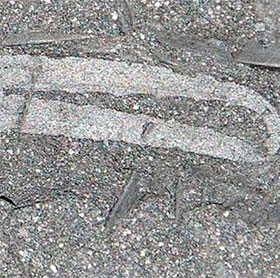
Archaeologists have discovered a 350-million-year-old scorpion fossil in South Africa, considered the oldest animal fossil ever lived on the ancient continent of Gondwan…
Browse ScienceInfo articles and explainers related to Continent.
202 published items.
Archaeologists have discovered a 350-million-year-old scorpion fossil in South Africa, considered the oldest animal fossil ever lived on the ancient continent of Gondwan…
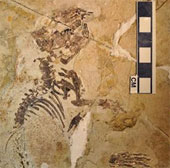
American and Chinese scientists have discovered fossils of the oldest mammal species distributed throughout Eurasia continent 160 million years ago.

The fossil creature shaped like a cigar, lived 520 million years ago was discovered by paleontologist Andrew Smith of the Natural History Museum and colleagues in the se…

A Japanese submarine discovered huge granite blocks near the coast of Brazil and scientists thought it might be part of the Atlantis continent that ancient philosophers…
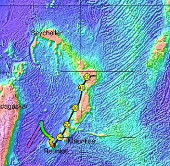
Both Reunion and Mauritius are popular tourist destinations. Recently scientists have discovered that these islands are
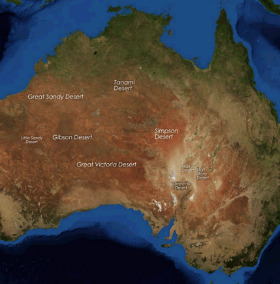
According to a study published Jan. 15, the Indian subcontinent brought both Dingo who migrated to the Australian continent and lived together with the Aboriginal people…
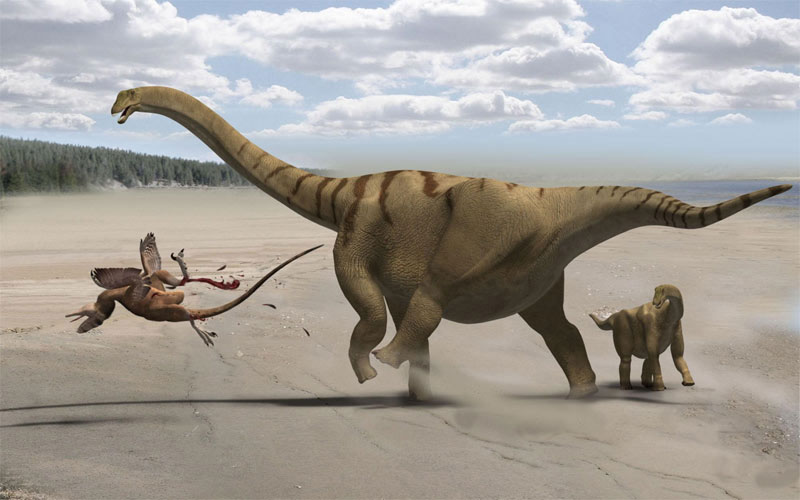
For the first time, Italian scientists discovered fossils of Sauropod long-necked dinosaurs in Antarctica.
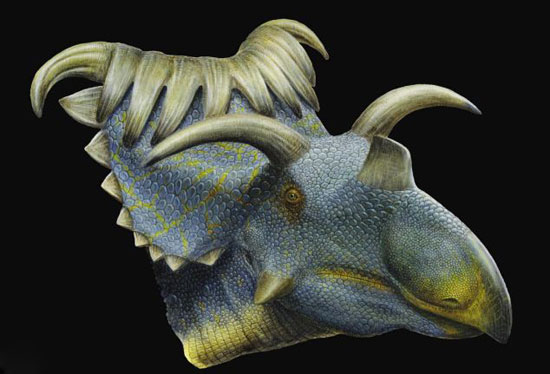
Scientists have discovered fossils of two herbivorous dinosaurs living in southern Utah (USA), about 68 to 99 million years ago.

Until now, scientists still believe that tyrannical dinosaurs only grow in the northern hemisphere ...
The Amazon River originated as a transcontinental river about 11 million years ago, and began to take shape today about 2.4 million years ago.
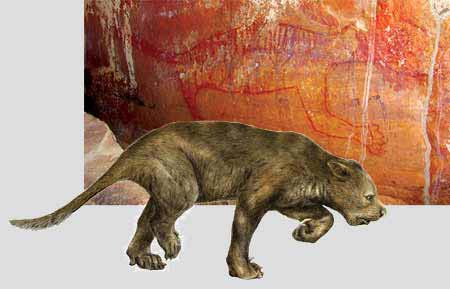
Australia today lacks large predators who live on land, but only about 30,000 years ago this continent was the territory of the Thylacoleo carnifex - a lion with a bag.
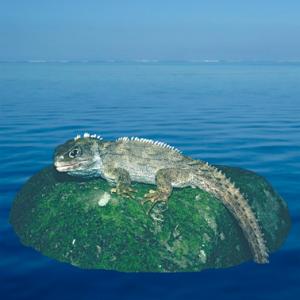
The fossil of a lizard-like New Zealand reptile has been identified by a team of scientists from UCL (University of London), University of Adelaide, and the Museum of Ze…
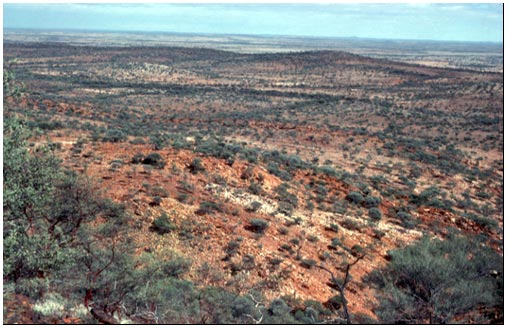
A new study of ancient minerals called zircon shows that once existed a harsh climate, perhaps destroying the surface of the new continents formed on Earth.
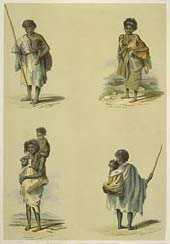
According to geneticists, the Australian and Melanesia indigenous peoples in Papua New Guinea may be descended from the same modern human branch from Africa some 50,000…
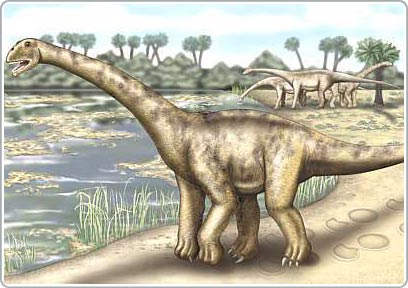
This may be the largest animal on Earth in the late Jurassic period 150 million years ago. Turiasaurus riodevensis with fossils found in Teruel (Spain) can weigh 40 to 4…