Technology
The world's first unbreakable password
Scientists claim to have developed the world's first unbreakable security system password, even capable of preventing threats from quantum computers.
Browse ScienceInfo articles and explainers related to Cryptography.
14 published items.
Scientists claim to have developed the world's first unbreakable security system password, even capable of preventing threats from quantum computers.

On this Earth, only one person knows the answer.
The scientific mysteries always have a strange attraction, and seem to be born to wait for the wise man, in times of scientific basis to answer.

Beale code consists of 3 codes about a treasure buried in gold and silver and jewelry worth about 63 million USD.
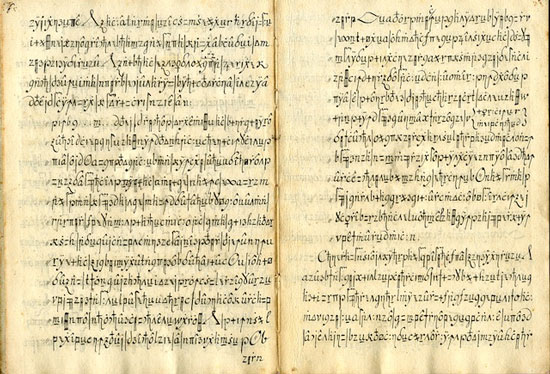
US and Swedish researchers broke the Copiale cryptography that existed for the past 300 years with the help of a computer program, according to AFP.
What do you think if there is someday in the future, you can open your door or access your bank account just by thinking 'to the unlock code'? This is not too far away.
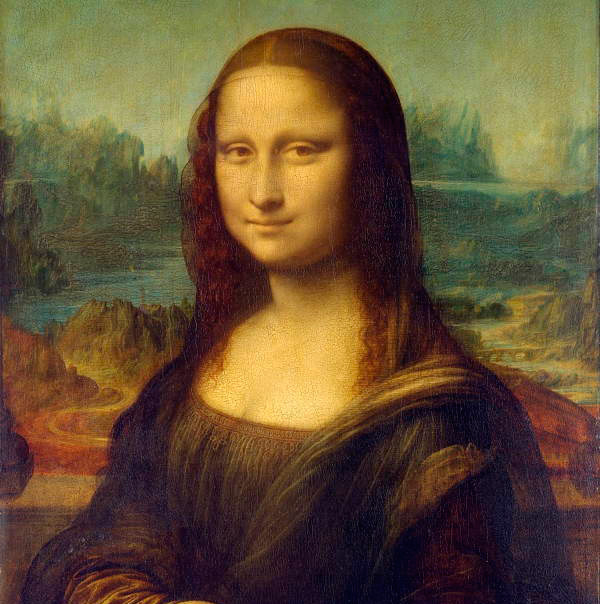
The ambiguity of the model's expression, the incredible part of the face and the skillful painting technique of the great artist Leonardo da Vinci in the Mona Lisa paint…
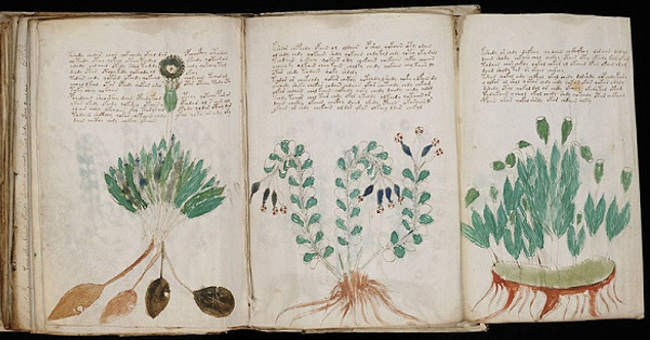
The Voynich manuscript is the most mysterious book in the world. The messages inside the manuscript remain a mystery to mathematicians and linguists in the past century.
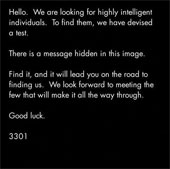
Cicada 3301 is probably the most mysterious organization on the Internet, but no one has provided a thorough explanation.
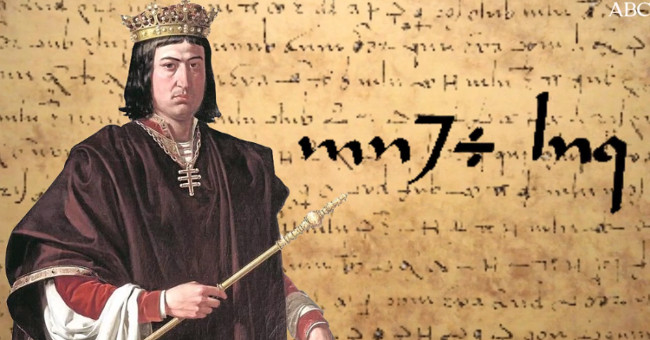
The Spanish intelligence agency broke the cryptanal success prize used by Aragon king Ferdinand II in letters exchanged with the military commander 500 years ago.

Expert Gershon Galil of Haifa University successfully deciphered the 3,000-year-old manuscript discovered 18 months ago.
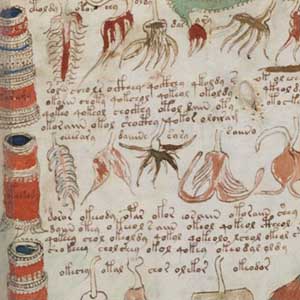
The book contains the language that no one on the planet can read since the beginning of the 15th century, American scientists claim.

American experts have discovered a second language hidden inside the genetic code.

In December, Microsoft announced that regular cryptography was no longer safe enough to face cyber threats.