New technology
Mobile laboratory
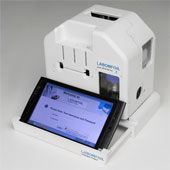
A project in Europe coordinated by Ikerlan and CIC microGUNE is developing a small and mobile laboratory format.
Browse ScienceInfo articles and explainers related to Current.
598 published items.
A project in Europe coordinated by Ikerlan and CIC microGUNE is developing a small and mobile laboratory format.
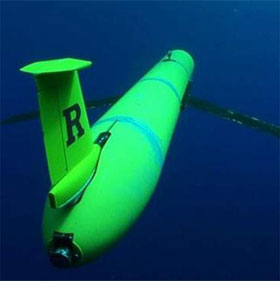
16 underwater devices will perform exploration missions and assist in mapping the world's oceans.
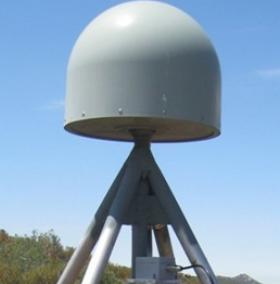
By developing the technology of the current GPS (Global Positioning System), US scientists have developed an early warning system that will provide accurate information…

Current biomimetic technology is growing with incredible inventions.
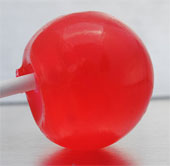
Basically, this device will change the electrical current, temperature quickly to deceive the tip of the tongue.

Experts from the University of Southampton have succeeded in harnessing the power of artificial lightning for human use.
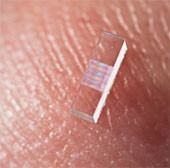
In the first experiment, electron particles were accelerated to near the speed of light in a conventional accelerator.
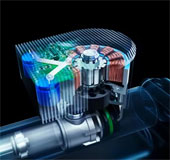
On current electric or hybrid cars, the commonly used energy regenerative braking system helps recharge the battery, boost engine performance, reduce energy consumption…
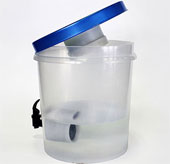
The current shortage of clean water is no longer a problem for one or several individual countries but has become a common phenomenon in almost every continent.

Butterfly Morpho has natural features that are more reproducible than current technologies. They are light, thin, flexible, can absorb solar energy, waterproof and self-…

Under the current conditions, finding and using other sources of energy to replace fossil fuels is an issue that is being put on top by all mankind.

The current industrial process uses intense pressure and temperature to produce a chemical reaction and the process requires a lot of energy.
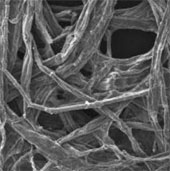
Today, there are many new battery technologies that scientists are turning to, such as small, lightweight Li-S batteries, or fast rechargeable batteries.
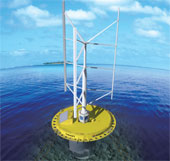
MODEC (Mitsui Ocean Development & Engineering Co.) has announced that they are about to test SKWID - the first system that can exploit both power sources simultaneously.

The alarm clock emits harmless currents, helping to dispel sleepiness that 19-year-old student Sankalp Sinha (India) built.