
Biology
Not only humans, bees are also stressed out for work
Every day, bees have to make many trips with long distances to gather important resources from chalk and nectar.
Browse ScienceInfo articles and explainers related to Decline.
174 published items.
Every day, bees have to make many trips with long distances to gather important resources from chalk and nectar.
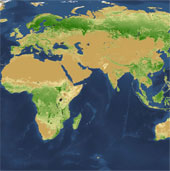
According to a global survey by Yale University (US), since human civilization began, the number of trees on Earth has decreased by half.
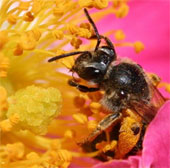
The venom from one of the world's most poisonous spiders may become a biological insecticide that kills harmful insects, but does not affect bees - one of the
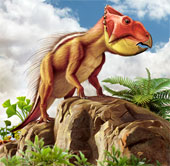
Scientists say bees have fallen into extinction at the same time the dinosaurs disappear because many species of plants have died.
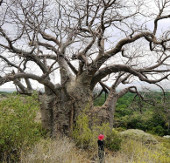
The largest trees in the world are dying: The mortality rate of trees aged 100-300 years is growing alarmingly.
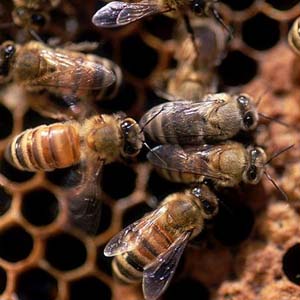
A museum in Canada is investigating the unexpected deaths of 20,000 honey bees living in a special nest, wrapped in a glass layer placed in a gallery at the museum.
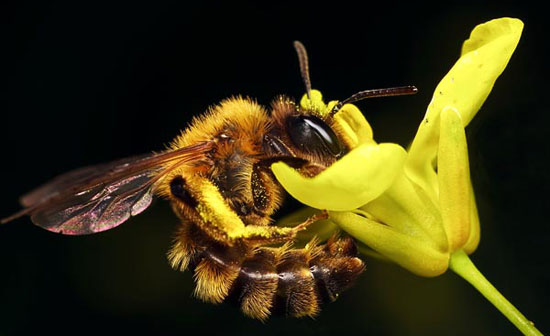
Scientists have found the main cause of the decline of honey bees, threatening the ecological imbalance in recent times is due to a virus spread through the process of p…
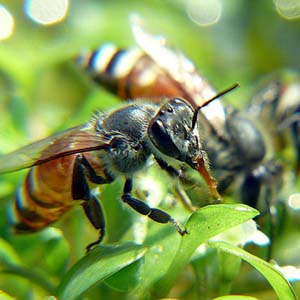
The sudden death of the millions of millions of bees in many parts of the world in the same period of time is the old story many years ago. People again make assumptions…
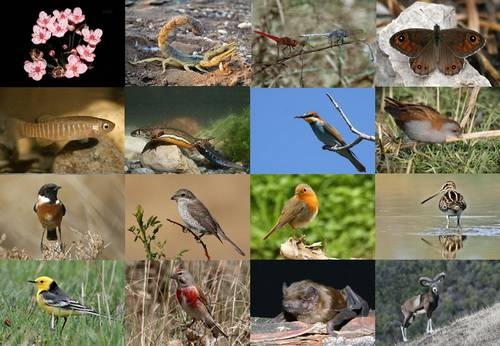
Like many countries in the world, Vietnam is facing serious degradation of biodiversity rich ecosystems.

Thanks to the pollination of plants and bees and many insects that help people create vegetables, fruits, oils and many other things. Their efforts are worth $ 220 billi…
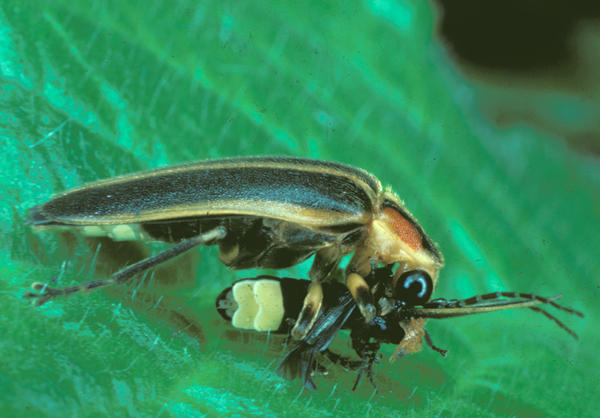
Preecha Jiabyu used to have time to take tourists on a boat along the banks of the Mae Klong River, glowing with thousands of fireflies.
Many bees and the flowers they pollinate have diminished biodiversity in many European countries, especially in the UK, Germany and the Netherlands for the past 25 years…
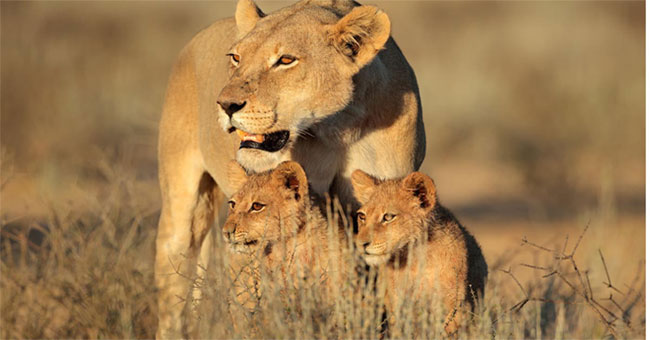
A century ago, the natural world had about 200,000 lions roaming the grasslands in Africa. What about now?
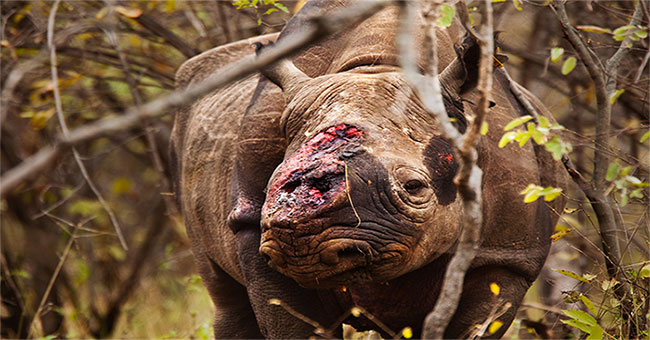
On October 30, WWF published the Living Planet Report 2018 to follow the trend of wildlife populations development from 1970 to 2014.
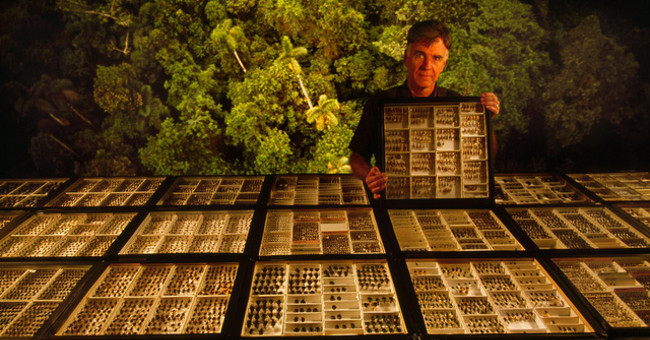
Insects are the class of animals with the largest number, most of the earth. Some scientists estimate there could be up to 30 million insect species.