
New technology
Japan successfully converted CO2 into new carbon
On January 20, Japanese scientists successfully developed a method of converting carbon dioxide into a new carbon source.
Browse ScienceInfo articles and explainers related to Develop.
3,054 published items.
On January 20, Japanese scientists successfully developed a method of converting carbon dioxide into a new carbon source.

To limit the development costs to millions, US-based Sikorsky will use 3D technology to develop the CH-53K.

Widetronix, New York, has developed a betavoltaic battery that can operate for up to 25 years and can power many small devices.

Japanese scientists have successfully developed a technology that can help reduce the cost of solar panels that are environmentally friendly.
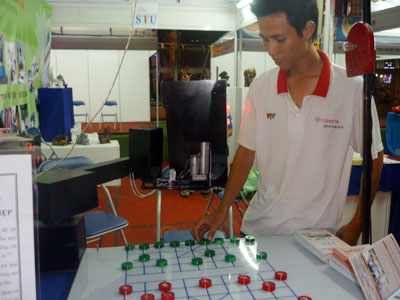
Prof. Dr. Tran Ngoc Hieu (Faculty of Mechanics - Saigon University) has successfully researched the robot capable of playing chess with humans with a win ratio of 7/10 p…

US and Swiss scientists have successfully developed a machine capable of converting solar energy into fuel.
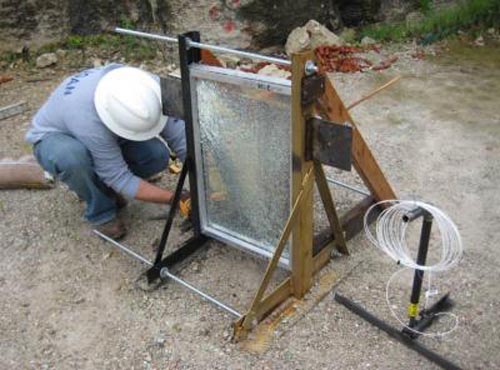
Scientists in the United States and Australia are developing a glass that is particularly light and thinner than traditional glass but very hard to not break into small…
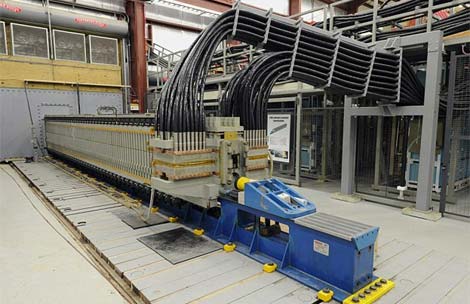
The US Navy has successfully developed a state-of-the-art gun, hailed as the world's strongest and capable of completely destroying a target over 160km away ...
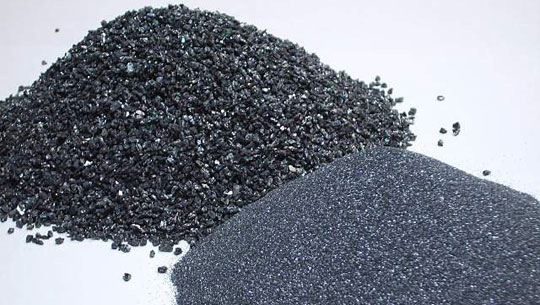
Japanese scientists have developed a type of smart meter that can measure the size of nm, mainly made of silicon carbide.
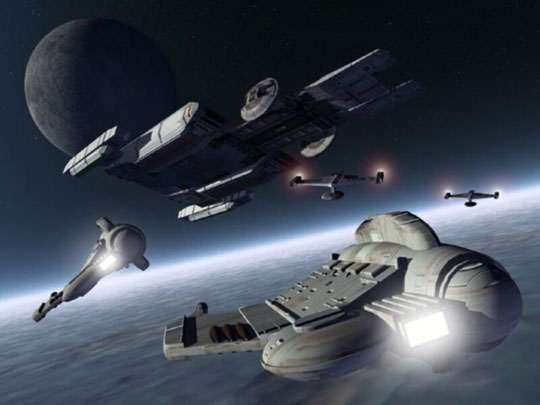
The new shock absorber material can withstand extreme temperatures and it can be used in spacecraft engines as well as cars.

British scientists have developed a chip that can help people with paralysis of their legs to move their stiff leg muscles.
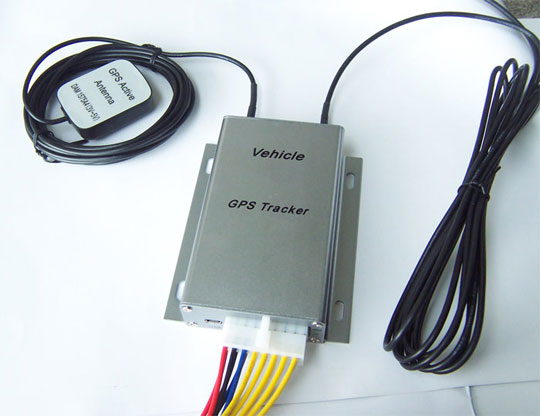
A new device that monitors seat belts and speeds are being tested.
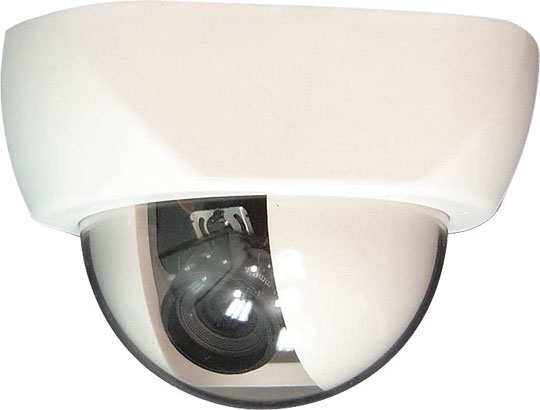
US scientists have developed a camera that can scan the scene of a crime to find bloodshed.
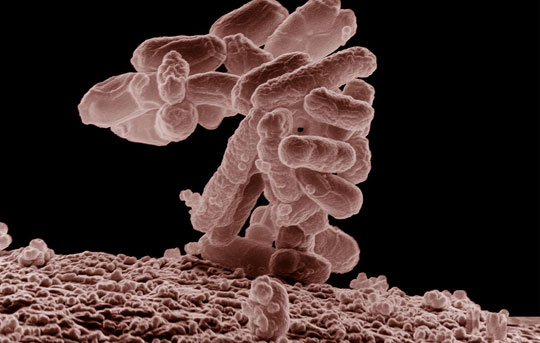
A group of students at Newcastle University have successfully developed a bacterium that can produce special glue that seals cracks.
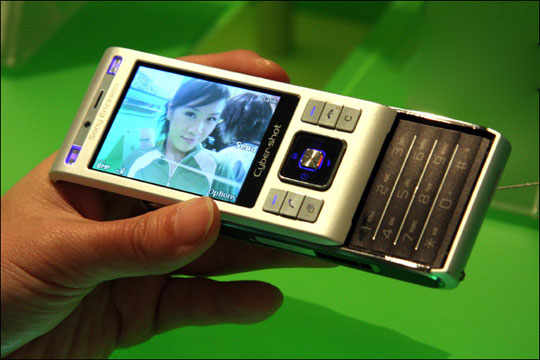
Scientists at the University of Manchester have developed a software for cell phones so they can recognize users face-to-face in real time.