
Medicine - Health
Control neurons by wireless connection
Scientists have developed an ultra-thin device capable of controlling brain cells with drugs and light.
Browse ScienceInfo articles and explainers related to Develop.
3,054 published items.
Scientists have developed an ultra-thin device capable of controlling brain cells with drugs and light.

The health of all humanity in the future may change thanks to useful initiatives.
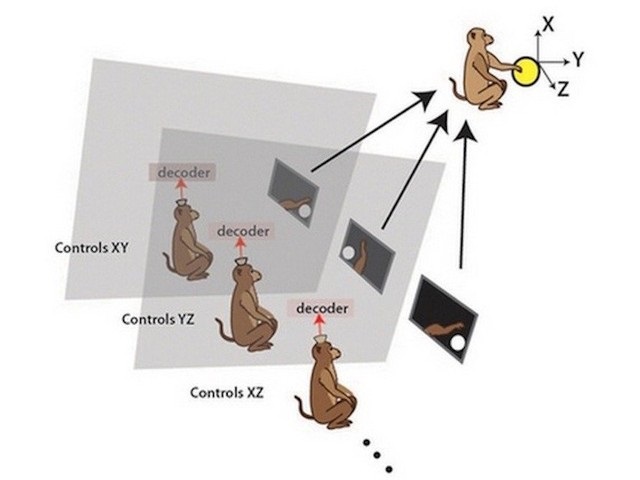
Scientists are working on developing a computer that can connect human brains to one another. If successful, this will be one of the effective support solutions for trea…
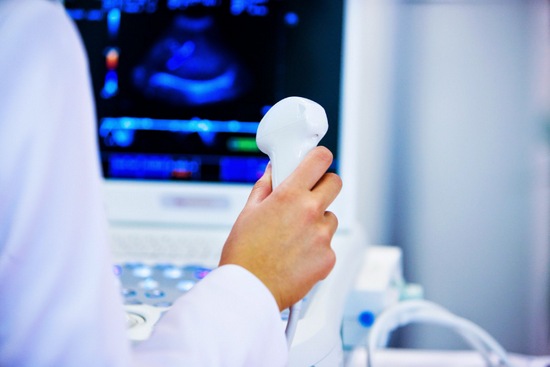
A group of researchers in the UK has developed a new technique that promises to cut ⅓ time of chronic healing, using low-intensity ultrasound.
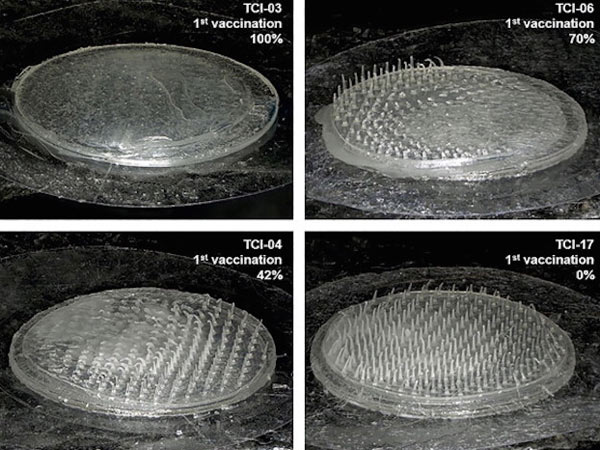
Scientists from Osaka University (Japan) have successfully developed a self-dispersing viral injection that can make injections safer, cheaper for poor countries, as wel…

Today, cancer is a very common disease and can develop silently in anyone's body, including the healthiest people. One of the leading causes of cancer comes from everyda…
According to a study published in the journal Nature (April 8), US and German scientists have developed a special antibody that helps reduce the amount of HIV virus that…
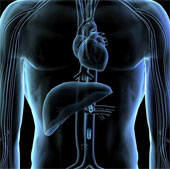
Japanese scientists have now successfully developed a micro-heart rate sensor that can be attached directly to heart tissue, helping to monitor and control cardiovascula…
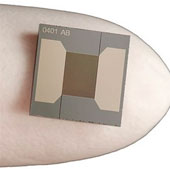
Recently, scientists from Cambridge University, England have successfully developed ultra-small electronic nose can detect early diseases such as cancer, tuberculosis ...

US scientists on December 8 have developed a new gene therapy method that successfully restores the sense of light in blind mice.

With simple sit-ups, the test developed by Brazilian doctors is thought to be able to foretell people aged 51 to 80.
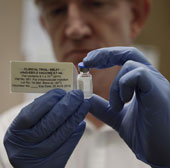
A new Ebola vaccine has just been successfully developed in the United States. Human clinical trials show safe and positive results.
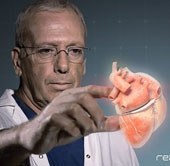
Together with Israel's RealView Company, Philips technology firm (Netherlands) is developing 3-dimensional image reproduction technology (3D Holographic).
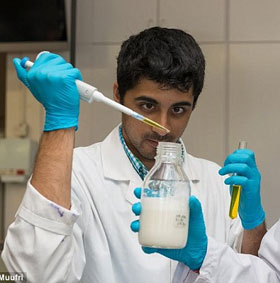
American biological engineers have successfully developed the first artificial milk with gene technology.
