Archeology
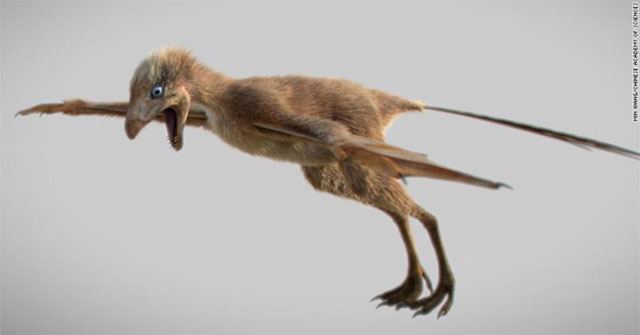
Discovered bat-like dinosaurs in China
A new dinosaur with wings resembling bats has been discovered in China, shedding light on how the evolutionary dinosaurs become birds.
Browse ScienceInfo articles and explainers related to Dinosaur Fossil.
157 published items.
A new dinosaur with wings resembling bats has been discovered in China, shedding light on how the evolutionary dinosaurs become birds.
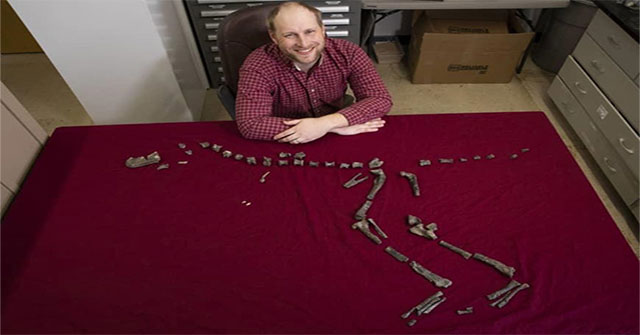
Scientists identified a relative of the tyrannical dinosaur as a dinosaur just 0.9 m tall from fossils dating back to 92 million years.
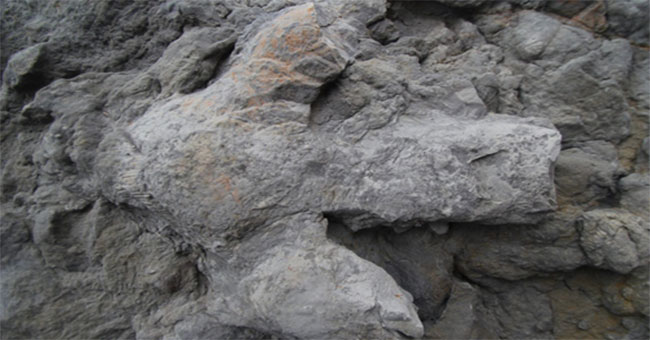
Scientists found 85 dinosaur footprints from the Cretaceous well preserved in humid environments.
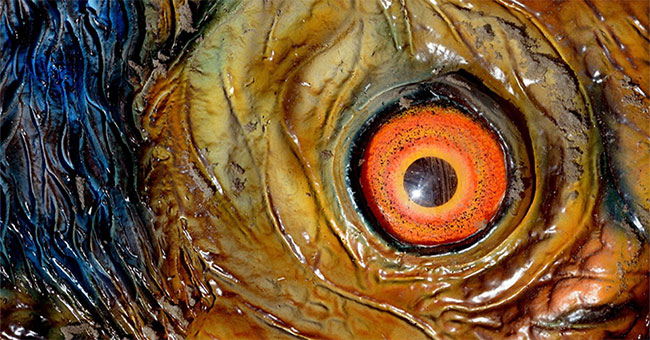
A newly discovered giant dinosaur in Russia is named Volgatitan.
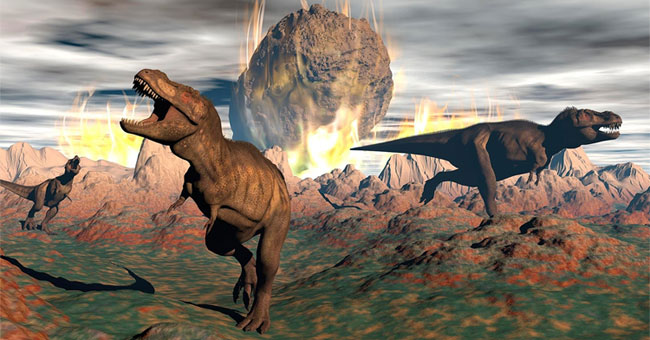
When dinosaur bones were first found in 1676, it was mistakenly thought of from an elephant, or perhaps more imaginative than a giant.

If you talk to a scientist, sometimes two people may not understand each other. Part of the reason comes from a lot of scientific terms, when used in common language has…
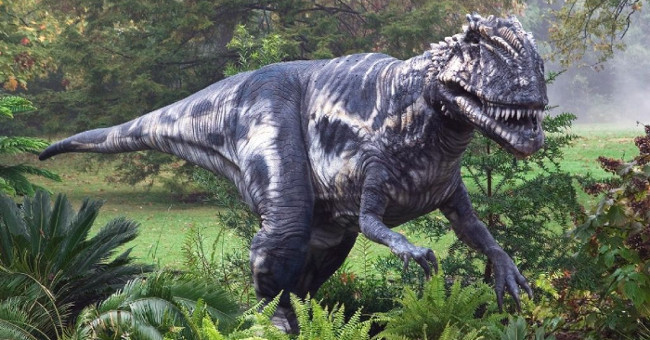
Many dinosaur fossil skeletons contribute to changing the perception of animal scientists who once ruled the world.
The truth about the lives of prehistoric dinosaurs always attracted the attention of many people.
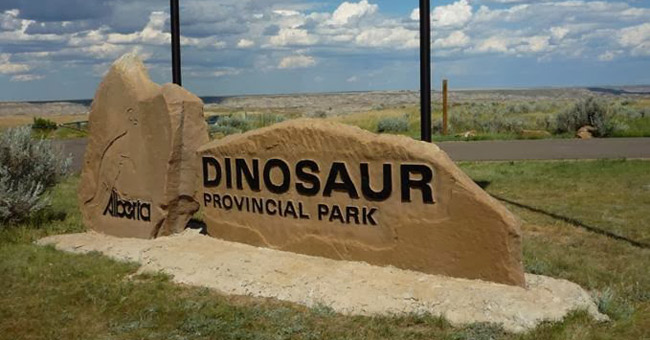
Unesco's Science and Education Organization has recognized Canada's dinosaur fossil park as a World Natural Heritage in 1979.
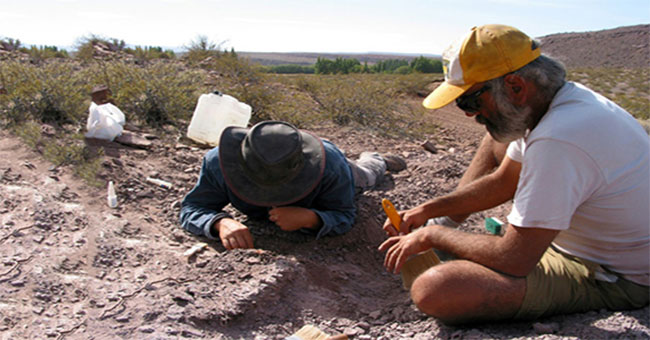
Paleontologists from the National University of La Matanza, Argentina yesterday announced the fossil discovery of lizard foot dinosaurs that lived 110 million years ago…
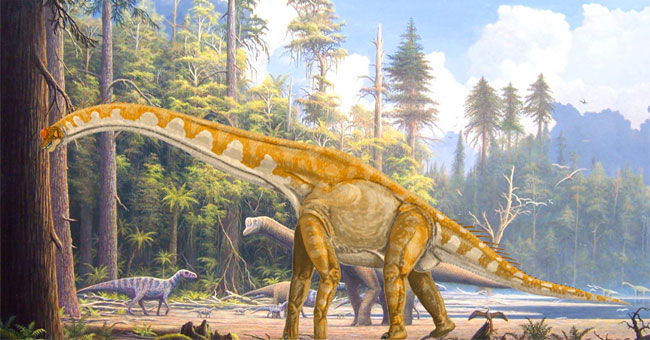
The fossil is believed to be the remains of a sauropod dinosaur, a member of the giant herbivores that live on our planet millions of years ago.
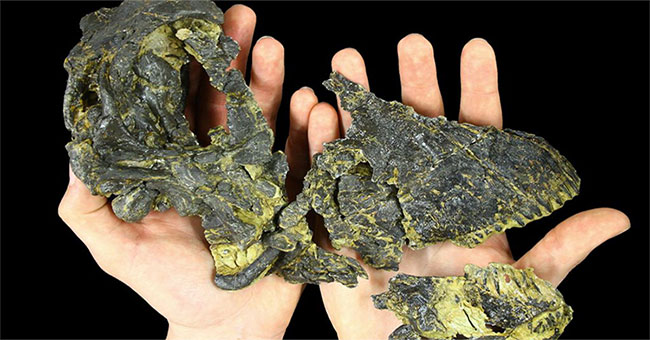
Known as the largest animal on the ground, however, scientists have recently discovered a much smaller-sized herbivorous dinosaur skull that shocked the scientific commu…
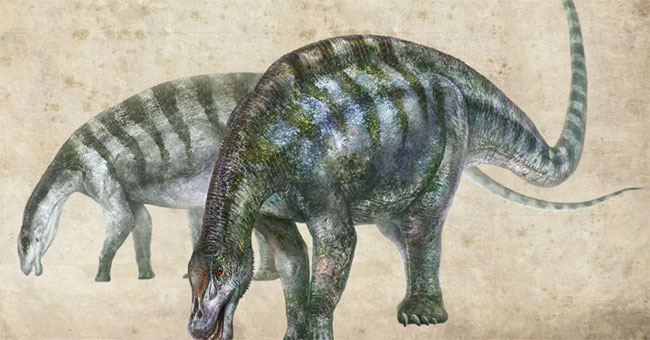
A 'magic dragon' fossil that was found in China can rewrite the history of the evolution of the largest monsters that roamed the Earth.
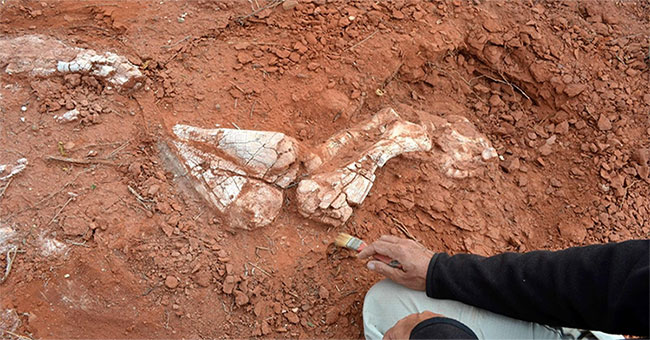
According to a reporter in Buenos Aires, the fossil was named Ingenia Prima by researchers, three times larger than the fossilized size of the biggest dinosaurs in the T…
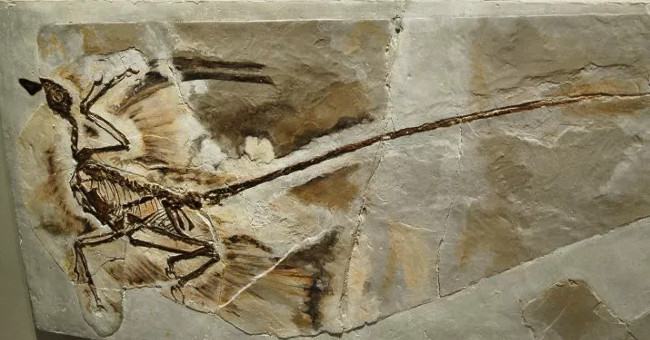
Scientists found dandruff between the feathers of the fossil dinosaur microraptor 4 wings, the Independent on 27/5 reported.