Discover science
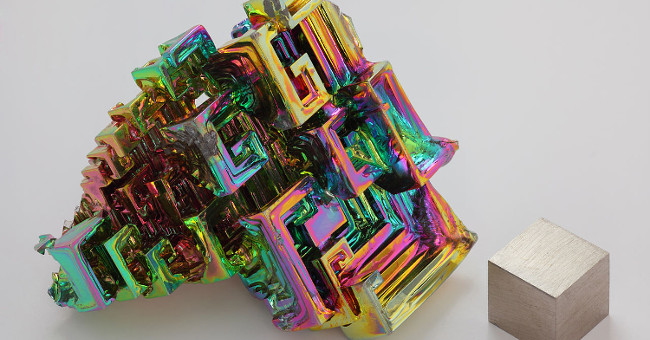
The element has a half-life of 1 billion times the life of the universe
A series of stars have long since disappeared, but the bismuth element will still exist and continue to decay.
Browse ScienceInfo articles and explainers related to Disappear.
562 published items.
A series of stars have long since disappeared, but the bismuth element will still exist and continue to decay.

Flight number MS804, departing from Charles De Gaulle airport, Paris, at 23:00 on May 18 (4:09 am Hanoi) to Cairo has disappeared from the radar screen, CNN has posted i…

If disaster happens and humanity is wiped out, which species will follow us to dominate this planet?

The development of science can make humans now disappear in less than 100 years.

5 years is not a long time but with the rapid development of technology, it is enough for a technology or a product that used to be popular and used to disappear.

Not many people will
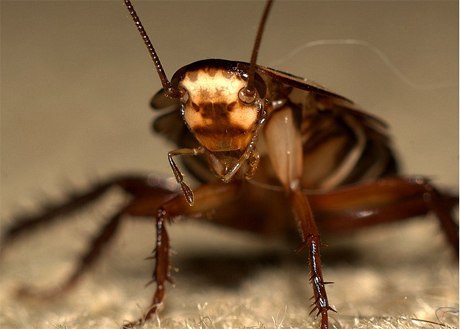
Cockroaches are one of the animals that humans hate the most, but their extinction will cause catastrophes to the ecosystems on the planet.
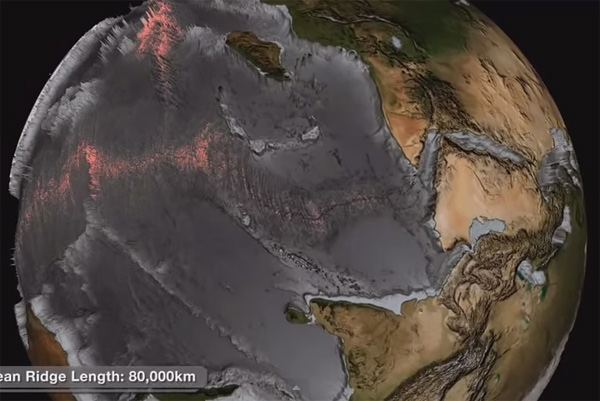
The oceans now cover 71% of the Earth's surface and contain about 97% of the planet's total water. If one day, they suddenly dry up, life as we know it will change drama…
In 1890, Belgian paleontologist Louis Dollo stated that evolution could not go backward. This statement is endorsed by the scientific community. However, a new study has…
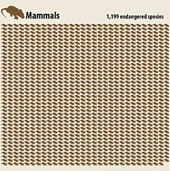
The world is facing a sixth major extinction, with 41% of amphibians being wiped out of the Earth's surface, according to a new study.

The way pilots deal with unstable weather conditions may be one of the reasons why AirAsia's QZ8501 plane disappeared in the morning.

Currently most of the cars in the market have a speedometer located in the rear of the driver's steering wheel.

Making magic with eyes always brings interesting surprises. They can easily make us suffer

Places like the Roman arena, the Statue of Liberty, and the Sphinx ... are still bracing themselves against the harshness of the weather.
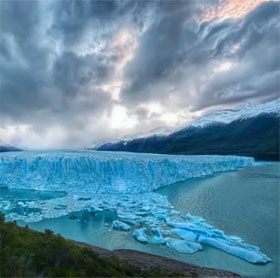
Whether it is sea level rise, desertification, torrential monsoon, melting glaciers or ocean acidification, climate change quickly changes the landscape of our planet.