
Discover science
What is the legend of zombies and vampires?
The legend of two bloodthirsty monsters - often appearing in Hollywood horror movies - stems from a real-life disease. It is rabies.
Browse ScienceInfo articles and explainers related to Disease.
4,796 published items.
The legend of two bloodthirsty monsters - often appearing in Hollywood horror movies - stems from a real-life disease. It is rabies.
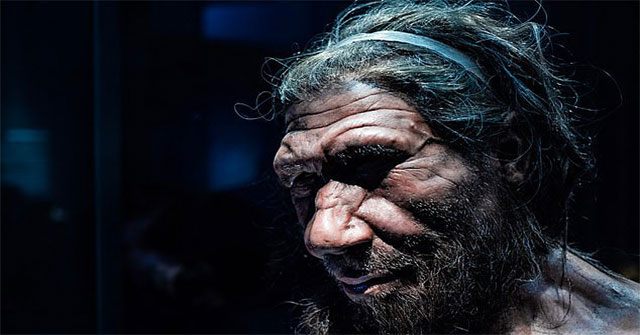
US scientists have discovered an unexpected event that could have caused the ancient Neanderthals to become extinct, leaving the Earth with only one species of his genus…
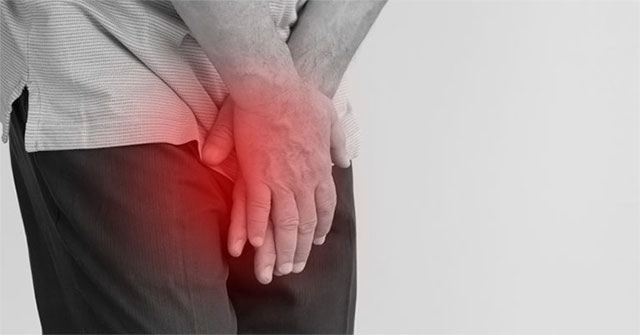
Urethritis in men needs to be treated quickly and definitely, avoiding causing dangerous complications.
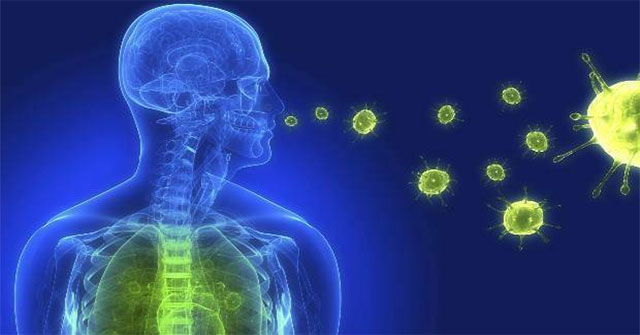
Pneumonia is a common disease in children and the elderly. The disease can be caused by viruses, bacteria.
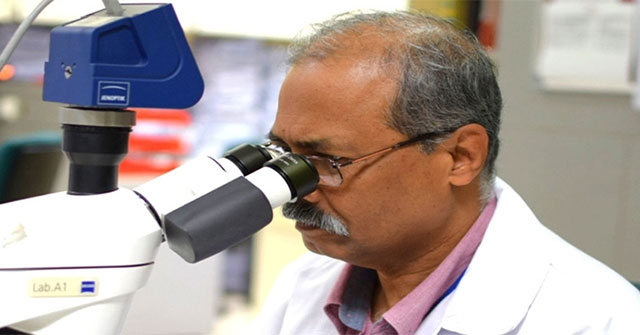
Microsoft and SRL (diagnostic company based in India) have developed a diagnostic tool based on Artificial Intelligence (AI) to help detect cervical cancer, helping doct…

The World Health Organization (WHO) has hosted a groundbreaking study on the impact of art on a range of incurable diseases, including cardiovascular disease, dementia,…

People with fatty liver disease are very focused on eating. However, do not just care about the food you eat every day but should focus on the drinks.
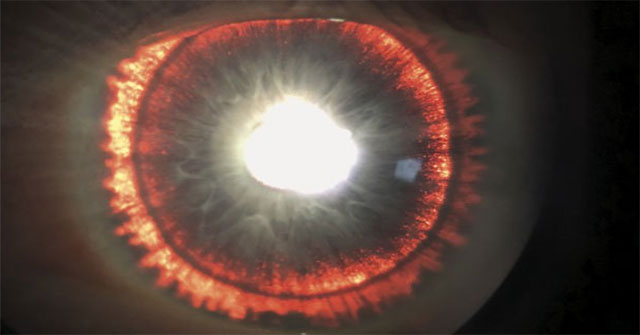
The pigment dispersion syndrome makes this man's eyes look like Sauron's clear
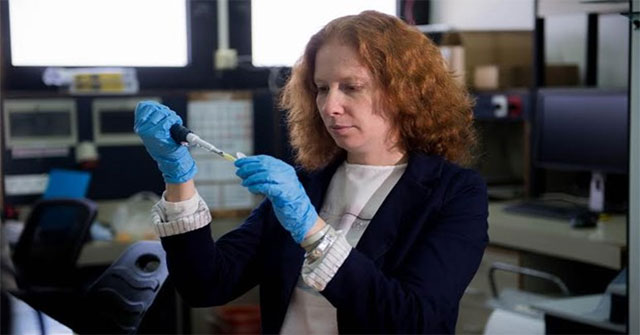
The Israeli Institute of Technology (Technion) said on November 17 that Israeli researchers have developed a new technology to inject drugs directly into the brain for A…
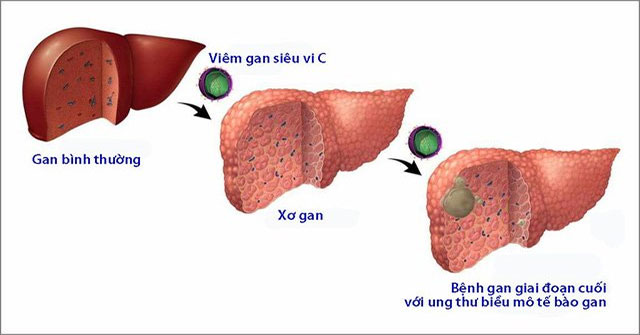
Treatment for hepatitis C is no longer so difficult. Let's find out how to get rid of this dangerous disease through the article below.
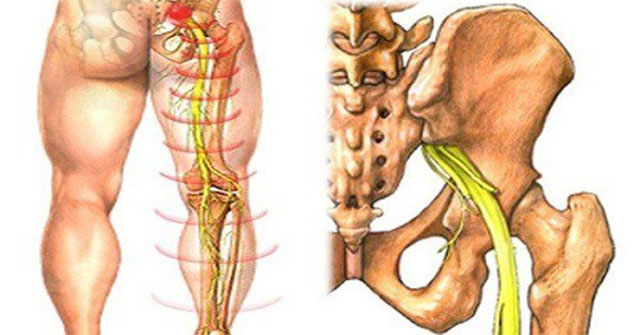
Sciatica or sciatica is a common bone disease in the joints. So what is the cause and how to treat it.

Scientists have for the first time observed a mysterious mechanism of garbage removal in the brain that can help people fight against incurable dementia.

The difference between day and night temperature is too large, which can cause respiratory diseases, heart disease, stroke.
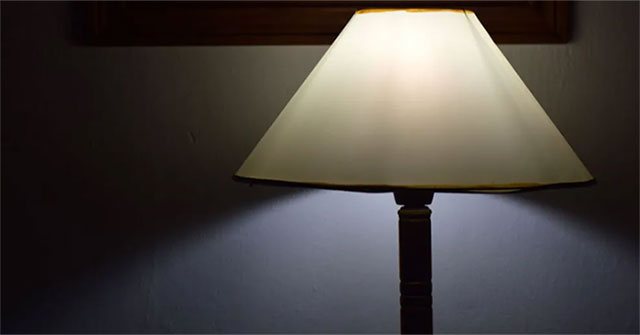
Japanese scientists from Nara Medical University have found that using even a little light during sleep can lead to the development of heart disease and stroke.