Biology
What Is Prime Editing?
Prime editing is a gene-editing method designed to write a broader range of small DNA changes without requiring a conventional double-strand break or a separate donor DN…
Browse ScienceInfo articles and explainers related to Dna.
724 published items.
Prime editing is a gene-editing method designed to write a broader range of small DNA changes without requiring a conventional double-strand break or a separate donor DN…
Base editing is a gene-editing approach designed to change one DNA base into another without creating a full double-strand break at the target site. It combines a progra…

This new discovery allows for easier DNA sampling but also creates a significant privacy vulnerability.
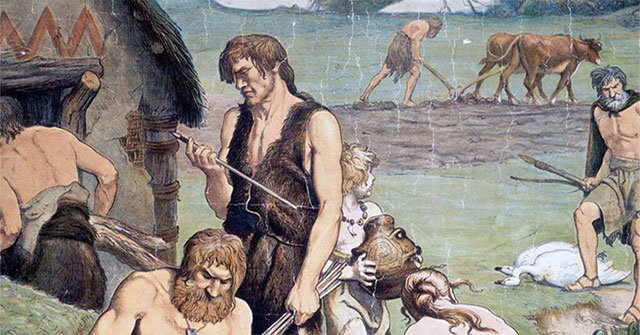
Today, nearly half the world's population speaks an Indo-European language as their first language.

Our record of the human genome may still be missing tens of thousands of
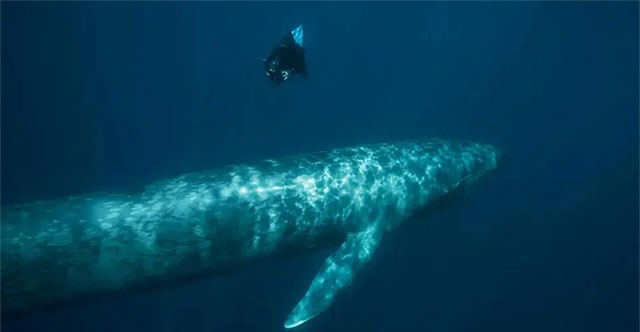
The finding of heterospecific DNA in Atlantic blue whales could raise new questions about genetics and species relationships in the marine environment.

In cases of doppelgangers, people who look alike can be encountered in everyday life. However, there are also other cases of doppelgangers that are difficult to explain.
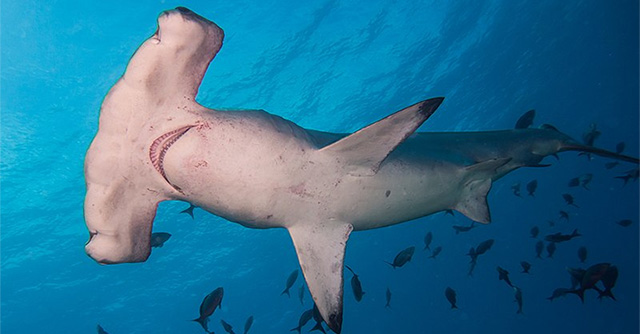
Scientists took DNA from eight of the nine species of hammerhead sharks and used it to look at their relationships. The results stunned them.
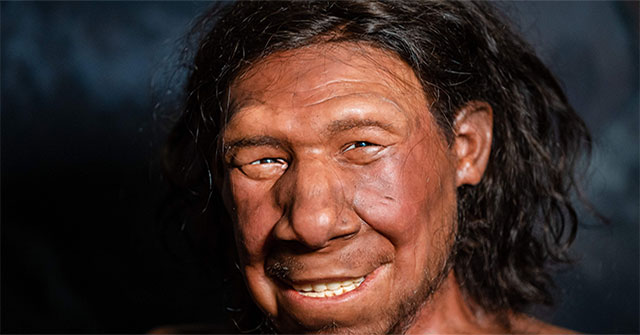
A facial feature that many people are proud of is a clear trace of interspecies marriage between Homo sapiens ancestors and an extinct human species.

Where did we come from and where are we going? This is a question that humans have pondered since ancient times and is also a direction that scientists are constantly ex…
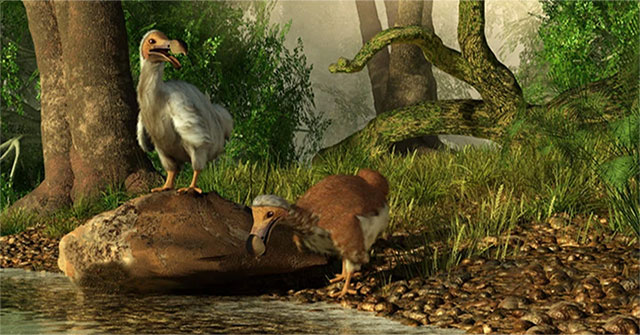
The dodo, one of the largest birds on Earth, faced extinction in the late 17th century and was officially considered extinct by humans in 1662.
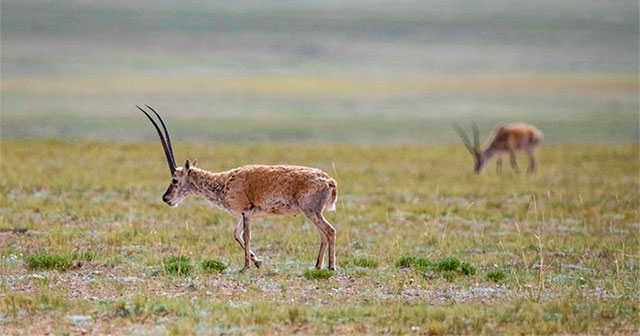
Chinese scientists have successfully decoded the chromosome-level genome of the rare Tibetan antelope, with the aim of discovering the secret to their survival at high a…

As the global population continues to grow, ensuring adequate food supplies to meet demand becomes a major challenge.

This simple tool proves surprisingly effective in collecting DNA from koala bears - Australia's famous animal.