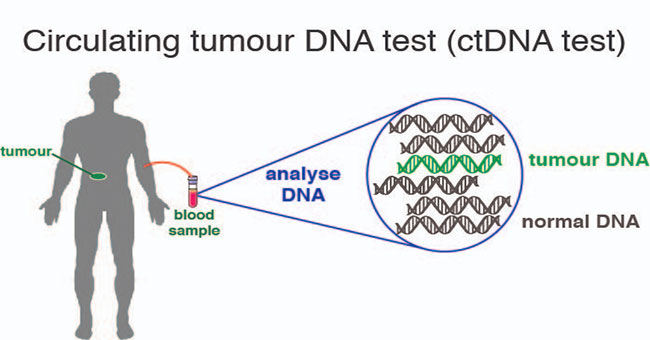
Cancer
Cancer does not need radiotherapy thanks to blood tests after surgery
Scientists are testing a new blood test that helps surgical patients know whether cancer cells remain in their bodies after surgery.
Browse ScienceInfo articles and explainers related to Dna.
724 published items.
Scientists are testing a new blood test that helps surgical patients know whether cancer cells remain in their bodies after surgery.

According to Nature, the latest study from Kimmel Johns Hopkins Cancer Center, lifestyles and genetic diseases does not contribute much to the risk of cancer.

Medscape's well-known medical website offers images of cancer cells through a microscope to give you different perspectives on the disease.
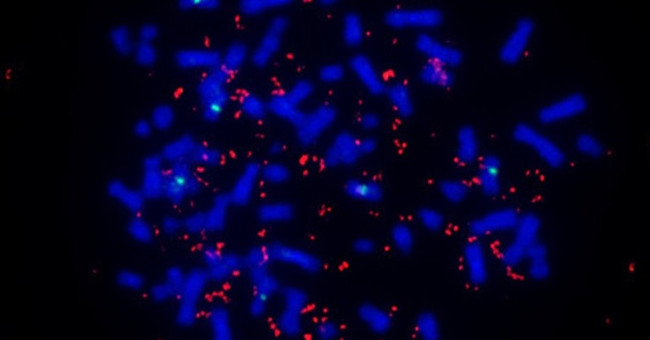
Researchers have discovered why tumors can quickly develop mechanisms to fight the best and latest treatments.
According to a study published in the July 14 issue of Nature Genetics, DNA deficiencies in people with type 2 diabetes may explain why they are more likely to develop l…

The results of the University of Melbourne study show that kangaroos (Kangaroo) may be

Scientists in the UK have completed the complete genetic map of the two most common lung and skin cancers.
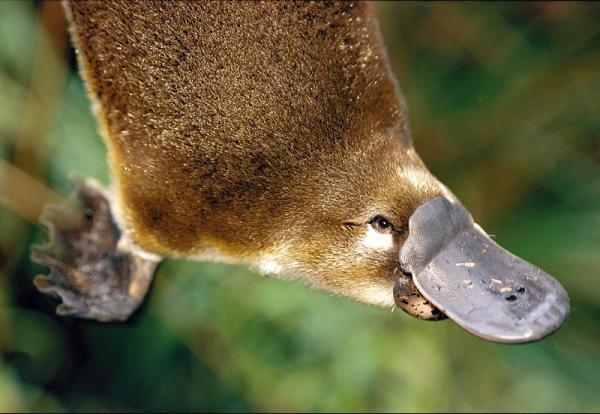
Researchers from the Royal Adelaide Hospital and University of Adelaide believe our oldest mammalian relatives can help us better understand ovarian cancer.

We all know two factors that contribute to cancer in tobacco - nicotine and associated hydrocarbon aromatic rings (PAHs) are carcinogenic culprits.
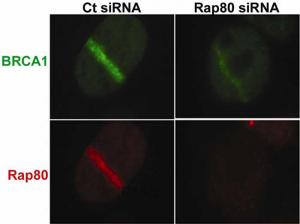
Researchers at the Abramson Family Cancer Research Institute at the University of Pennsylvania and Dana-Farber Cancer Institute in this week's article have identified a…

Cancer (cancer) is a generic name to describe a group of diseases that reflect changes in reproduction, growth and cell function.

Ever since biologist Alexander Fleming (1881-1955) discovered penicillin in 1928, humanity was happy by the splendor of
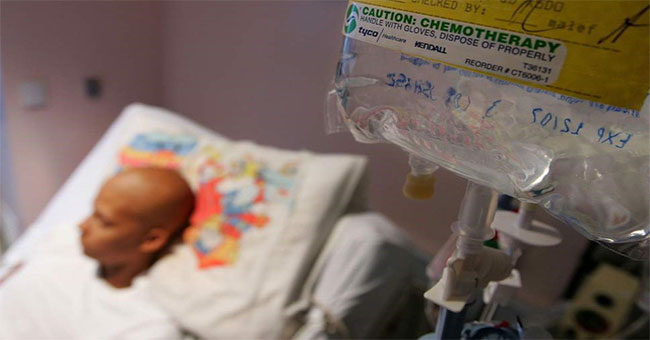
Scientists have used artificial intelligence to predict how cancer will progress and spread, which could help doctors make a treatment that is most effective for each pa…
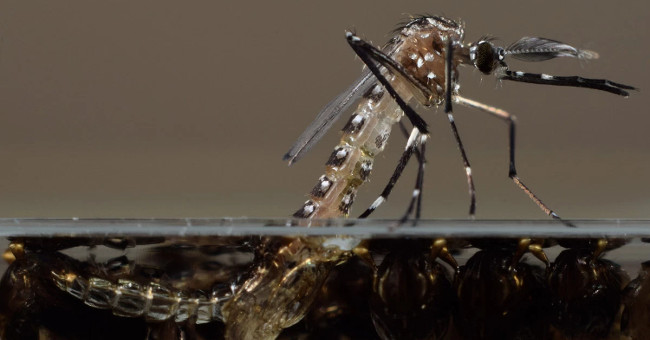
In July 1996, the Roslin Institute in Edinburgh, Scotland, produced Dolly sheep, the first mammal to be cloned.
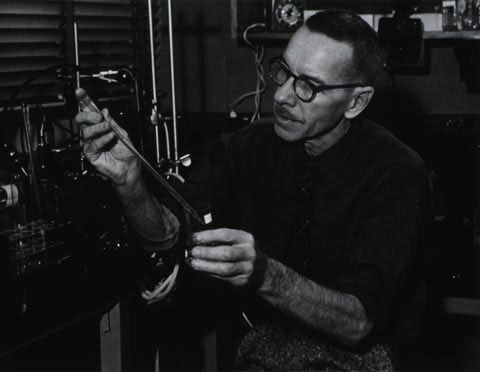
Modern science flourished in many fields with many achievements in the fields of physics, chemistry, geography, astronomy, biology, medicine, genetic engineering, ecolog…