Health
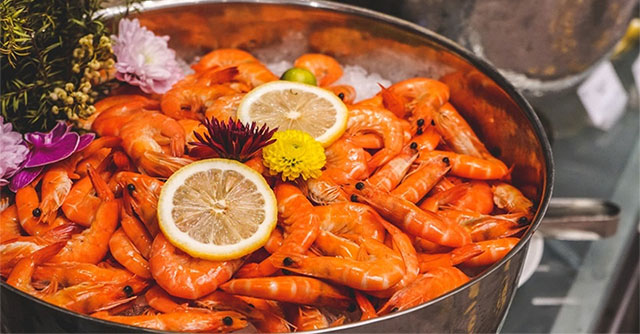
You should pay attention to foods that easily create alcohol levels
Dishes that use alcohol as a spice, sugary fruits, or easily fermented beverage products can all create alcohol levels.
Browse ScienceInfo articles and explainers related to Drink.
1,616 published items.
Dishes that use alcohol as a spice, sugary fruits, or easily fermented beverage products can all create alcohol levels.

Children like to consume ultra-processed foods such as soft drinks, ice cream, fast food... but these foods have long-term negative effects on their health.
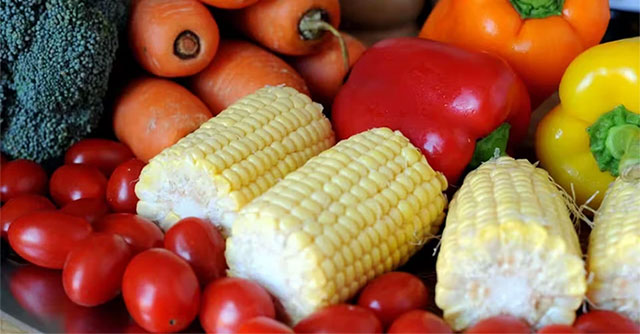
According to research, eating more nuts and fruit and consuming less sugary drinks - also known as the 'Mediterranean diet' - can help older people feel less anxious and…

Artificial intelligence (AI) is playing an increasingly important role, supporting people in many different fields. Now, scientists are looking to AI to help create bett…

Many people often start their day with a cup of coffee. This habit really brings many health benefits. However, according to experts, coffee can interact with some medic…

The world of biology contains countless wonders and surprises that can surprise even the most knowledgeable people.
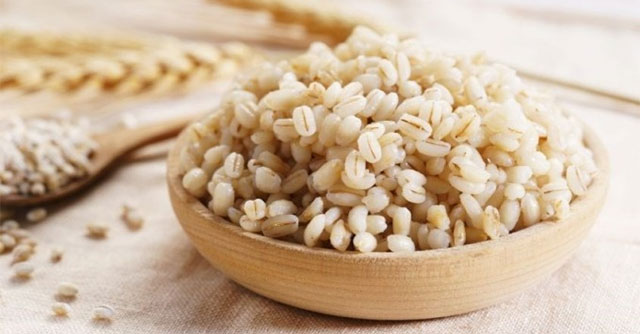
The longest-living king in Joseon likes to be a vegetarian, often eats milk porridge, chestnuts and rarely drinks alcohol.
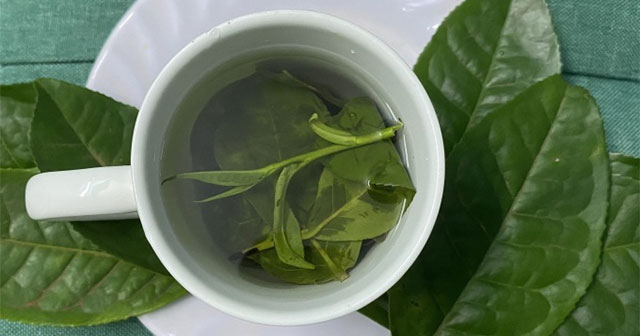
Green tea is rich in antioxidants that have anti-inflammatory effects and reduce symptoms in people with rheumatoid arthritis.

When traveling to the countries below, you should pay attention to the toasting customs of the natives.
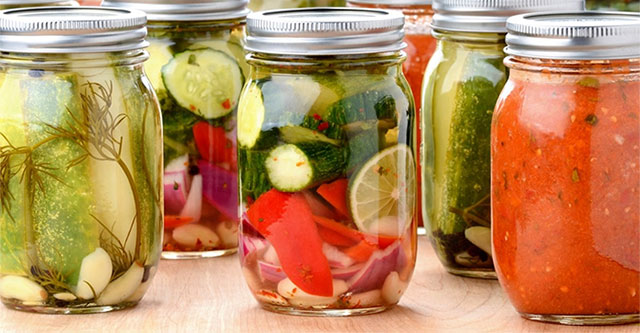
These foods are loved by many people, however they are not good, and are even very harmful to the body if eaten too much.

Chinese scientists have developed a device that could pave the way for a new source of clean energy based on the operating principles of a classic toy.
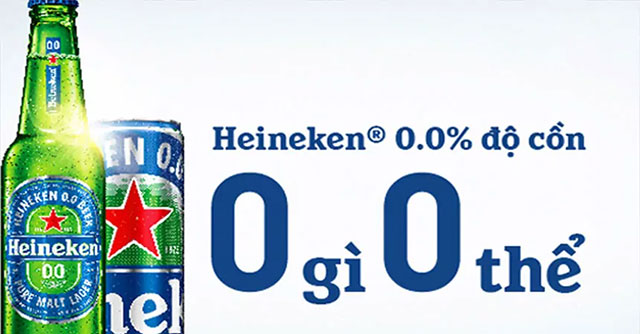
Drinking non-alcoholic beer during fun meetings with friends and partners is becoming more and more popular.

Fountains connected to shallow tanks and water channels from streams or underground aquifers provide abundant water sources for the people of Nepal.

The World Health Organization (WHO) predicts that by 2050, global cancer cases will increase by more than 75%.

There are two main causes of milk poisoning: the milk may be contaminated with bacteria or the milk may contain toxins due to the milk's uncertain origin.