
New technology
The road to charge the world's first car
The Guardian reported two electric lines about 2km long embedded on the road connecting Stockholm Arlanda Airport to the logistics area, charging the car and truck batte…
Browse ScienceInfo articles and explainers related to Electricity.
880 published items.
The Guardian reported two electric lines about 2km long embedded on the road connecting Stockholm Arlanda Airport to the logistics area, charging the car and truck batte…
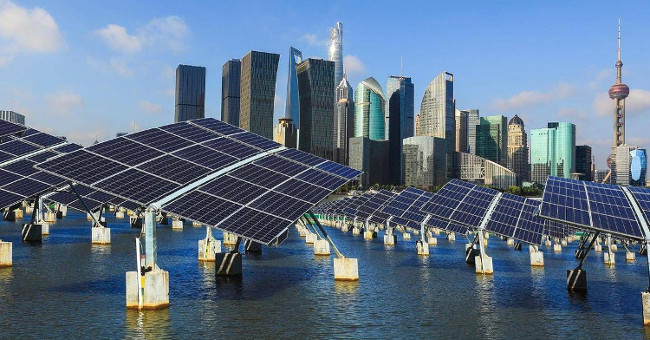
'With this device, we can generate energy in many different weather conditions,' the researchers said.
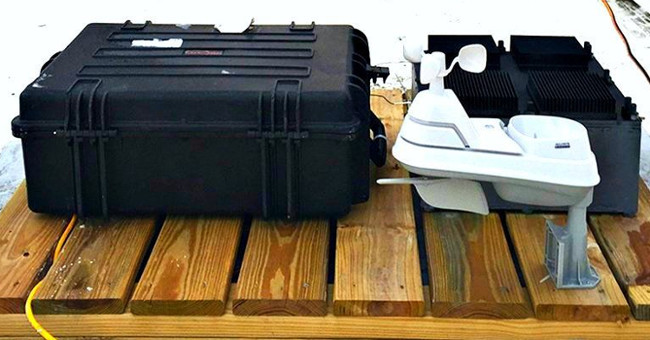
The temperature around us changes all the time and based on this, scientists have come up with a great idea.
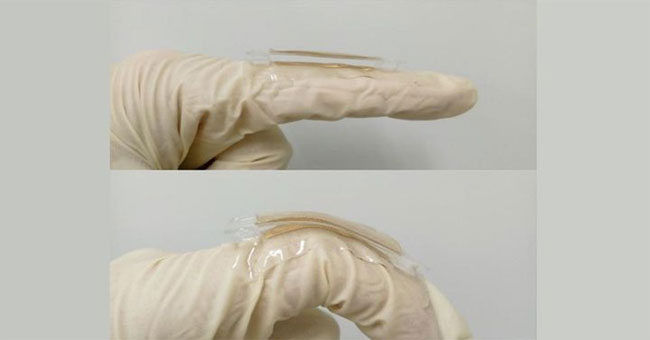
Researchers have developed a small device made of gold and silicon that attaches to the body and can generate electricity by stretching or performing other simple moveme…
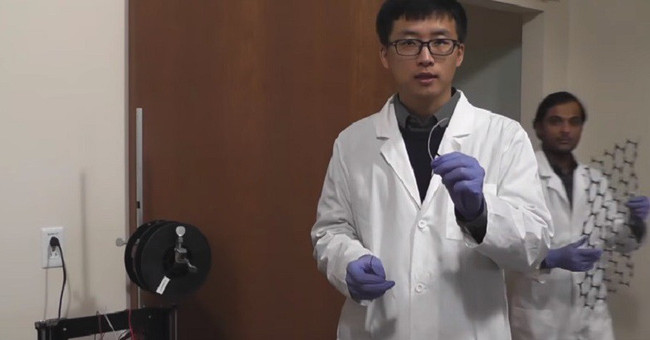
In 2017, Asian-American researchers from the Clemson Nanomaterial Institute (CNI) created simple and efficient nanogenerator-based nanogenerators called U-TENG.
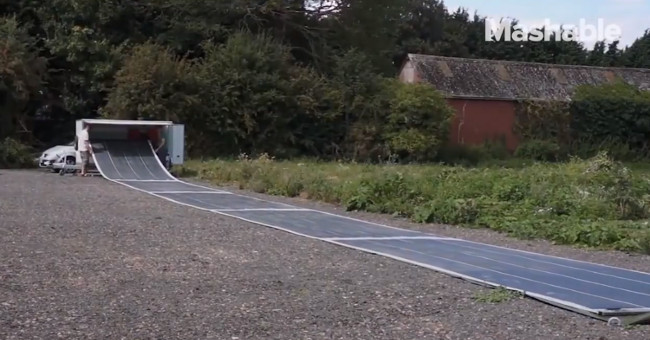
Each Rapid Roller battery has an average power of 11 kW, can be rolled up in containers and transported by car or helicopter.
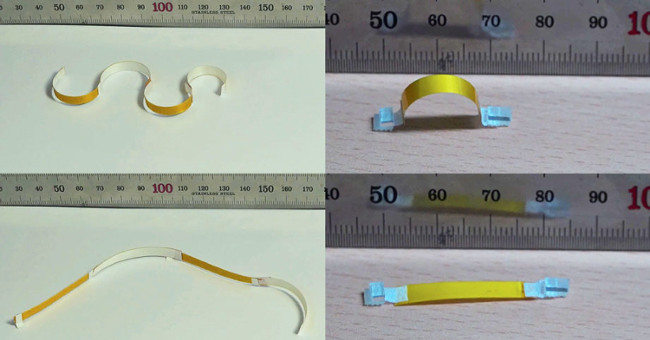
Researchers at Seoul National University in Korea have successfully built the robot
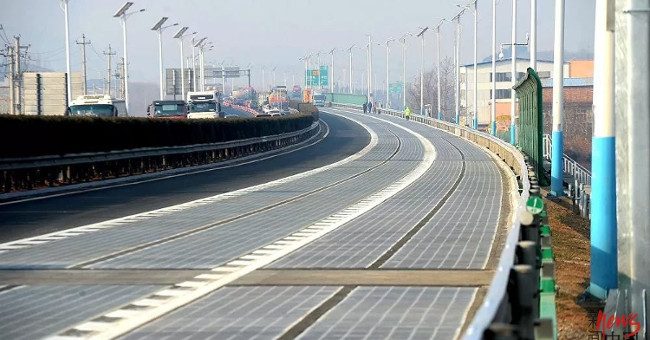
The test road belongs to the ring road around the city. Jinan, capital of Shandong Province, eastern China.
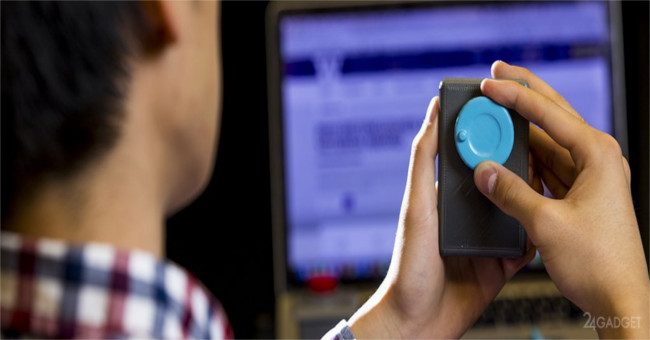
Scientists have developed plastic 3D printed objects that have built-in Wi-Fi capability without electricity or electronic components.

China has launched a 2,000-ton transport vessel in Guangzhou province, according to the China Daily. Notably, this is the world's first fully operational electric bo…
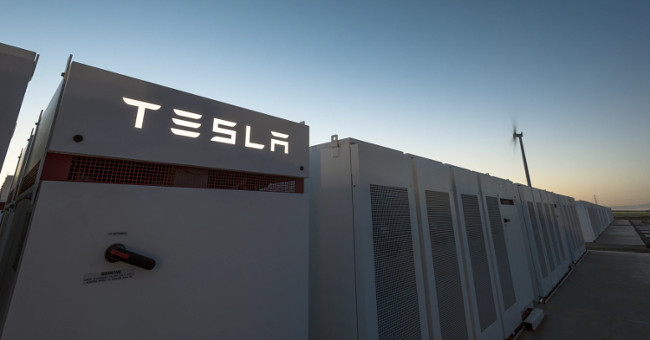
Elon Musk bet the world that he will create the world's largest battery in 100 days, and now he has done it.
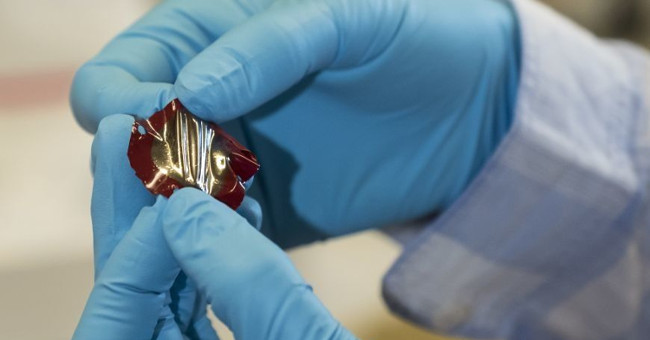
A team of researchers has developed an organic rubber-like material with high elasticity, which is interesting when stretching or compressing produces electricity.
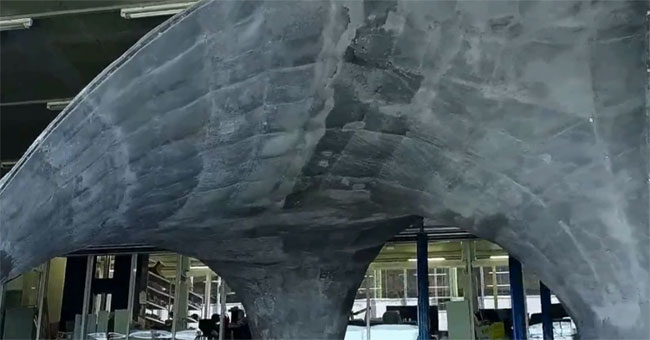
Swiss researchers have created a new type of concrete roof that is capable of producing electricity from sunlight.

Irish scientists have discovered an enzyme called lysozyme that turns tears into electricity, according to Live Science.
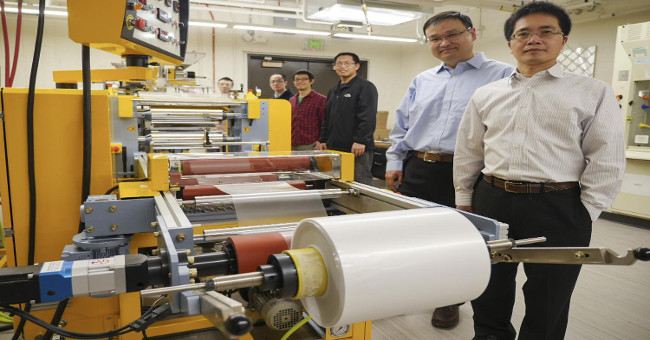
Scientists at the University of Colorado Boulder (USA) have invented a type of metal film that works to cool the surrounding environment without using electricity.