Archeology
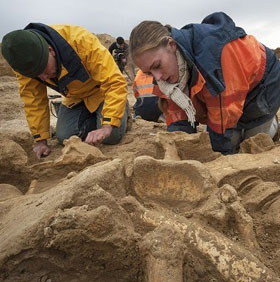
Discovering mammoth bones near Paris
French archaeologists found an almost intact mammoth skeleton from the Ice Age in the countryside of Paris.
Browse ScienceInfo articles and explainers related to Elephant.
465 published items.
French archaeologists found an almost intact mammoth skeleton from the Ice Age in the countryside of Paris.

Experts say he has the entire skeleton of a 14,000-year-old mammoth in the Ice Age and this is an extremely rare finding. However, the man only said that John was planni…
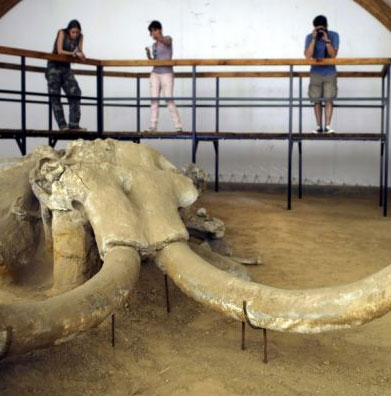
Archaeologists have recently discovered an area with skeletons of at least five rare-feathered mammoths. Researchers believe that the mammoth mammoths associated with th…

Researchers on May 9 said they have discovered the existence of the smallest mammoth on the island of Crete millions of years ago. This adult species is about the size o…
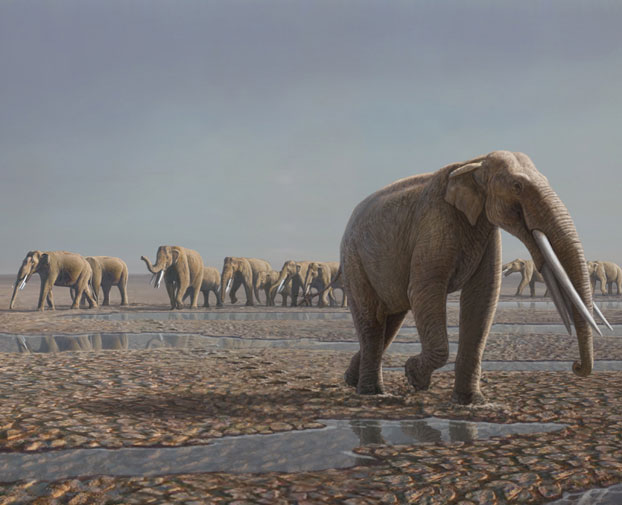
The world's oldest elephant footprints recently discovered in the Arab desert date back to 7 million years old. More specifically, these prehistoric elephant footprints…

This is a circular house, made up of 116 large bones including skull, jaw, 14 tusks and elephant leg bones. Inside with at least 25 furnaces filled with ash shows that i…

A mysterious bone over the past three centuries in the elephant's foot has now been identified as the sixth toe of this large animal.
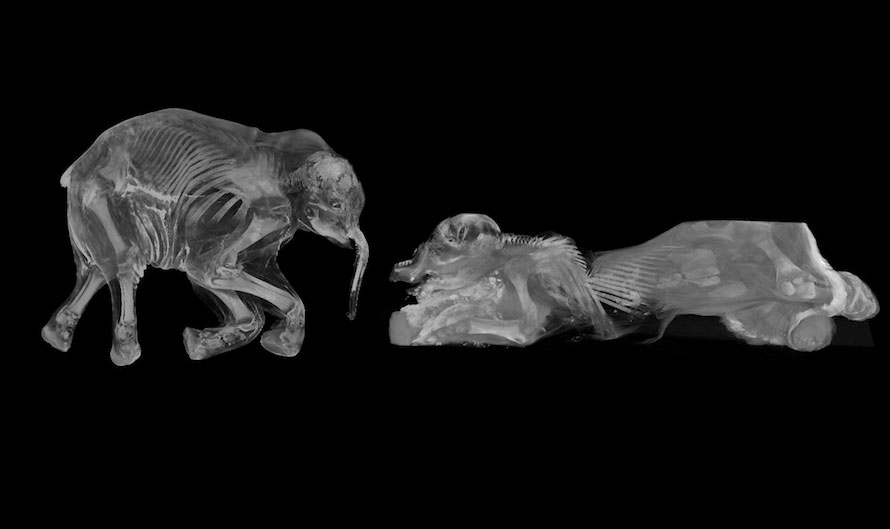
Using high-tech tomography techniques for fossils of two small mammoths taken from the permafrost of Siberia revealed more new information.
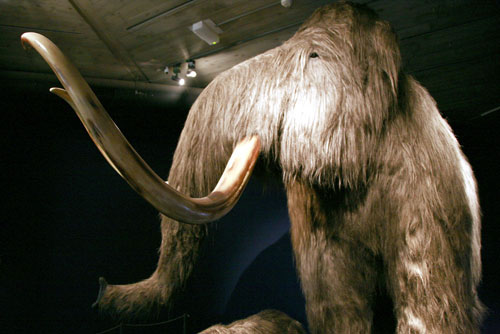
Prehistoric mammoth DNA is helping scientists develop artificial blood products for modern medicine.
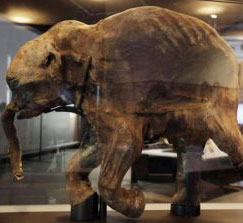
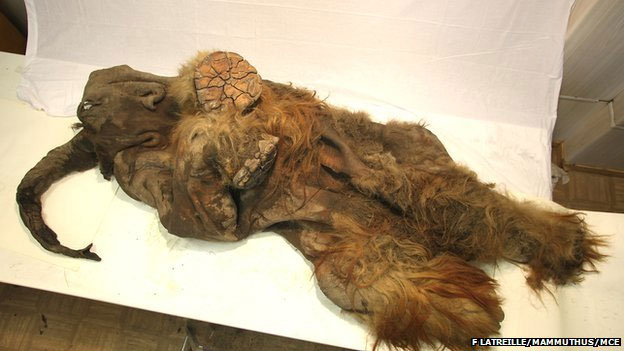
The expedition team, headed by Professor Natalia Fyodorova, revealed the body of the intact preserved mammoth like the corpse of a 40,000-year-old mammoth named Lyuba, d…
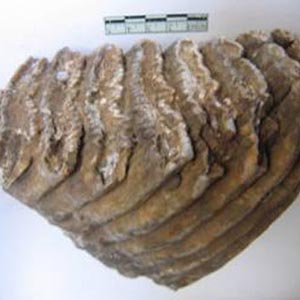
During a survey of archaeological investigations in early March in the northern province of Thai Nguyen, archaeologists found a fossil elephant tooth, believed to be an…

The size of mammals has increased 1,000 times after the extinction of dinosaurs on Earth, according to research results ...
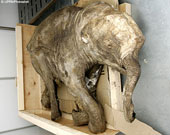
The Mammoth Elephant named Lyuba, after 42,000 years of being buried in mud, first appeared in the US public at The Field Museum, Chicago state.

Based on the characteristics described, some scientists claim to be fossils of an elephant's teeth.