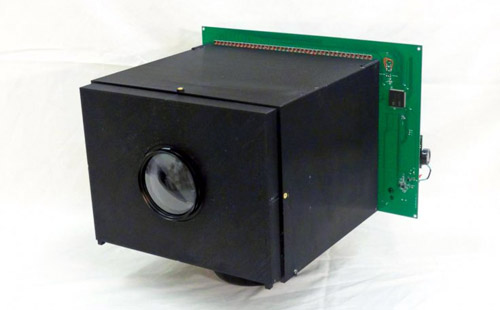
Science invention
Camera works permanently
US scientists have successfully built self-powered cameras, use less power and can theoretically operate permanently.
Browse ScienceInfo articles and explainers related to Energy.
2,772 published items.
US scientists have successfully built self-powered cameras, use less power and can theoretically operate permanently.
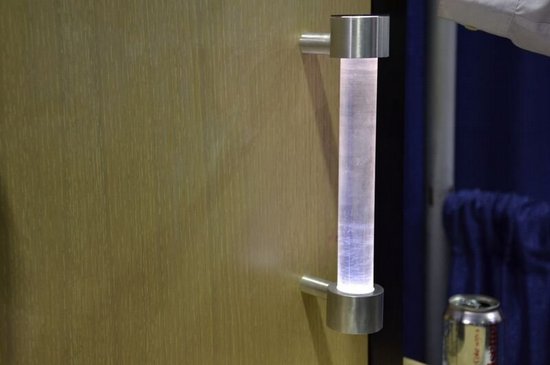
Two teenagers from Hong Kong, Sum Ming Wong (17) and Kin Pong Li (18 years old), introduced a convenient door handle design that can kill bacteria with UV at the Science…
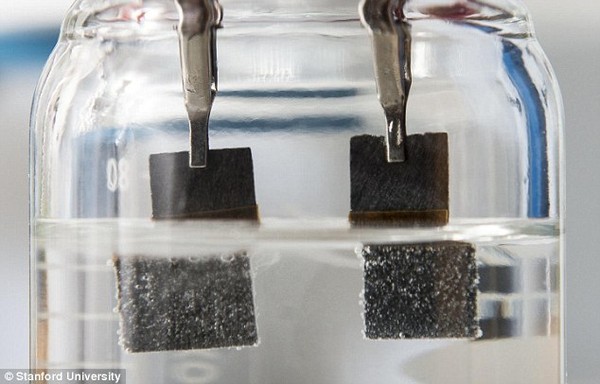
Stanford University experts have found a way to create an energy source that replaces gasoline extremely cheaply with water and rabbit batteries.
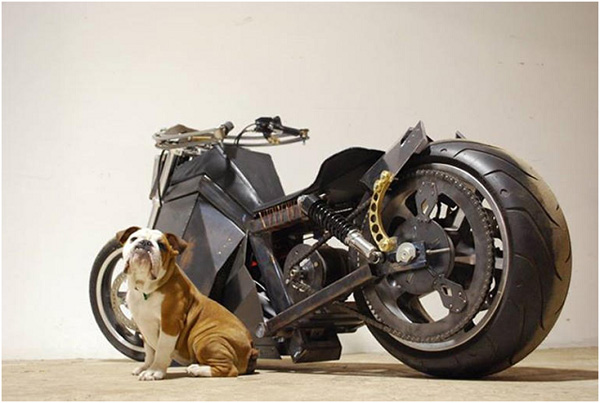
Our beloved Earth is about to enter a dry and exhausted period, hoping that humans will not have to live in the desert after post-apocalyptic times like Mad Max. However…
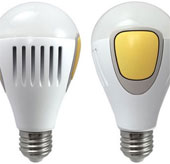
There are a lot of smart bulbs on the market that help save a lot of energy but hardly protect your house.
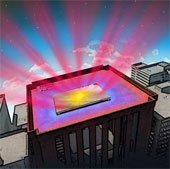
Stanford University engineers have invented an ultra-thin insulating material that reflects the heat of sunlight.
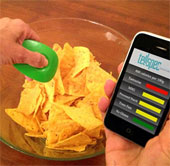
People who are concerned about their own weight may need a handheld device called TellSpec, which installs a sensor that scans the food plate and notifies the exact numb…

Engineers develop new energy efficient computer memory using magnetic materials by using electrical voltage instead of running current.
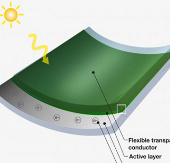
Researchers at Stanford University (USA) said that they have invented a form of the world's first solar cell that, in theory, is capable of sticking to any surface.
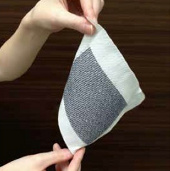
Japan on December 11 has launched a fabric that can literally
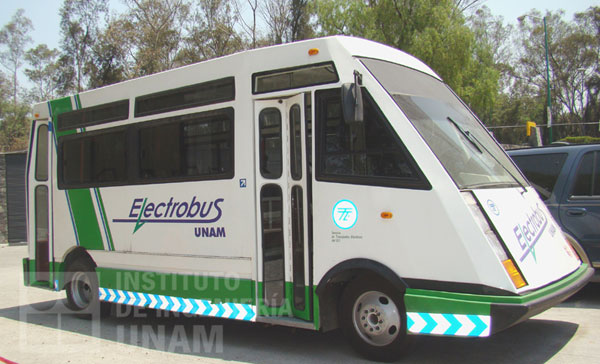
Volvo Technology Japan Co., Ltd. And Nippon Dengyo Tools (Japan) has successfully tested wireless energy transfer technology, very suitable in practice to apply to passe…

Brazilian Joao Paulo Lammoglia has devised a device to take advantage of the owner 's respiration in the form of a mask. With this initiative, the author was awarded the…

Many times we have heard people mention this term abound on television, newspaper, books ... But have you ever wondered, who put the first steps for interesting science?…
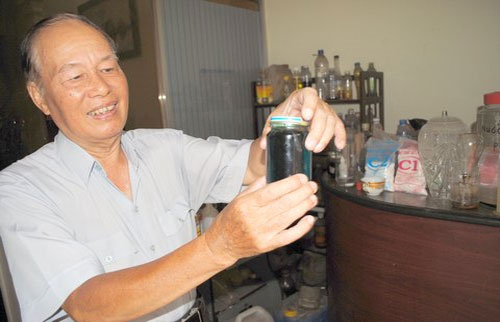
Retired chemical engineer Le Ngoc Khanh, author of the additive said: Who cares, can try it!
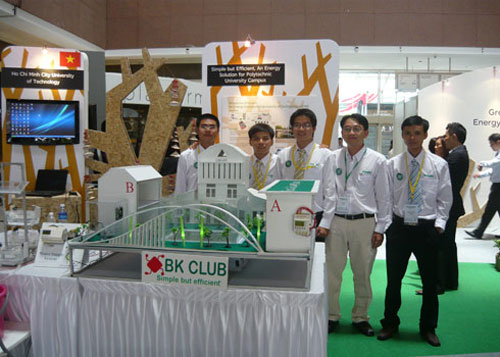
Using turn-off sensors, electric switches integrated into locks and rainwater tanks, 3 students from Ho Chi Minh City Polytechnic University have successfully researched…