
Biology
Creatures do not evolve for two billion years
Scientists have discovered a species of deep-sea microorganism that does not seem to evolve after two billion years.
Browse ScienceInfo articles and explainers related to Environment.
2,126 published items.
Scientists have discovered a species of deep-sea microorganism that does not seem to evolve after two billion years.

Working in a tree-like environment will help office workers achieve higher performance.
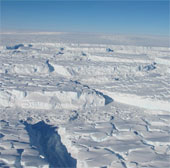
Scientists discovered bacteria at a depth of 800m, below the Antarctic ice surface. This discovery raises hope, sees extraterrestrial life.

Scientists hope, high-yielding soybean varieties that adapt to the environment soon appear before 2030.
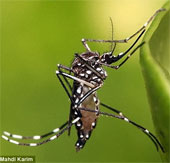
Baby mosquitoes that inherit the additional genome that only survives for a short time should reduce the risk of spreading dengue.
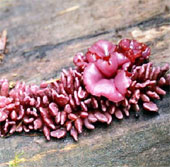
Mushrooms can be used as food, to help produce bread and beer. But, little is known that it can also be used to make safe pesticides, tissue culture in medicine and a gr…
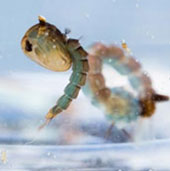
Indian scientists have succeeded in preventing mosquito growth with a simple mixture of carbon nanoparticles.
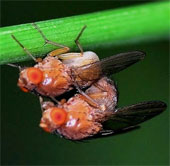
Entomologists have identified a neuropeptide (brain signaling protein) named Natalisin, which plays a role in controlling insect reproductive activities.
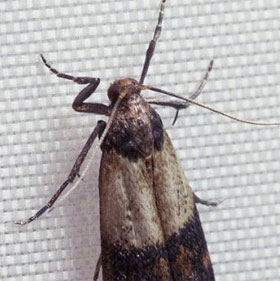
A new study has shown that the more interrelated the Plodia interpunctella immune system is, the more damaged it is.
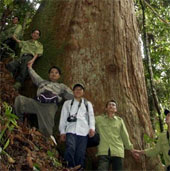
On May 19, according to information from the Vietnam Association for Conservation of Nature and Environment (VACNE), this organization has just coordinated with Thanh Ho…

US researchers say they have created caffeine-addicting bacteria, which can be used in areas such as water source decontamination or pharmaceutical production.

Onions and garlic removed from the food industry can be used to remove toxic heavy metals such as arsenic, cadmium, iron, mercury, lead and tin in contaminated substance…
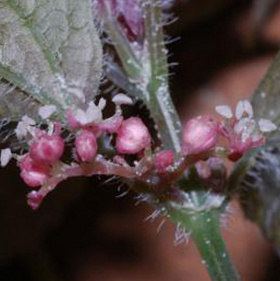
Perhaps people never thought that flowers could exist in the dark environment of the cave, but that was a sight that scientists witnessed in China.
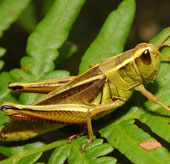
Male grasshoppers that live in noisy urban environments must increase the volume of the melodies they emit
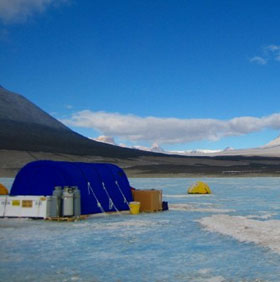
Scientists have recently discovered that ancient bacteria live beneath the icy surface of the Antarctic lake