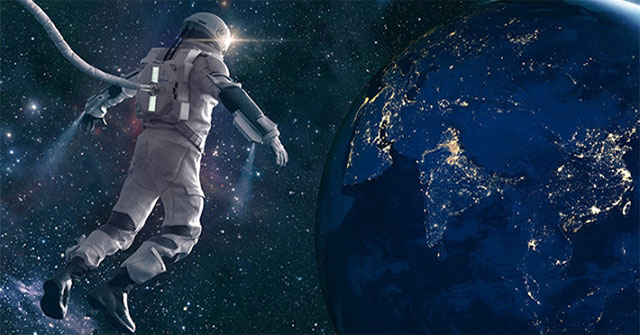
Space science
What happens to dead bodies on Mars?
Living on Mars is already dangerous and difficult with many environmental challenges. Unfortunately, if you die on Mars, your body will become a natural mummy.
Browse ScienceInfo articles and explainers related to Environmental.
852 published items.
Living on Mars is already dangerous and difficult with many environmental challenges. Unfortunately, if you die on Mars, your body will become a natural mummy.

Despite living in harsh environmental conditions such as the deepest ocean trench, these creatures still thrive.

Scientists have recently discovered terrifying, ghostly creatures living in the deep sea in Australia, where environmental conditions are harsh.

The Great Lakes Environmental Laboratory (GLERL) of the National Oceanic and Atmospheric Administration (NOAA) has confirmed the existence of about 40 mysterious circula…
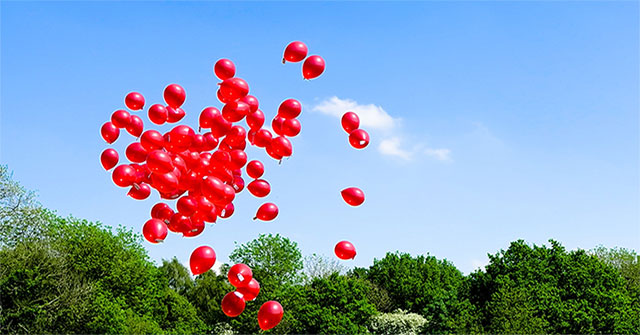
During holidays, festivals, anniversaries... people often release lots of balloons into the sky, making them look beautiful and fun.
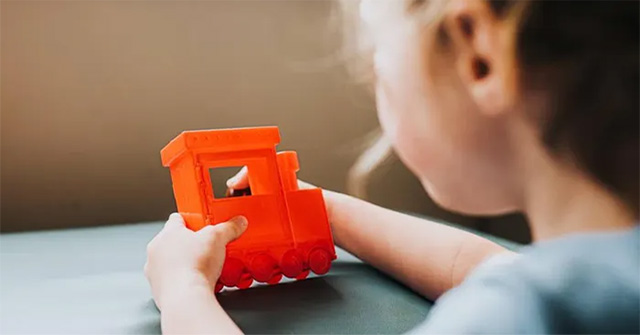
Research shows that brightly colored plastics such as red, blue and green are able to decompose into microplastics faster than light or colorless plastics.

Results of a study recently published in the journal Environmental Science & Technology show that scientists have mapped the level of human absorption of microplastics i…
June 5 every year becomes meaningful and important to the environment around the world because this is 'World Environment Day'.
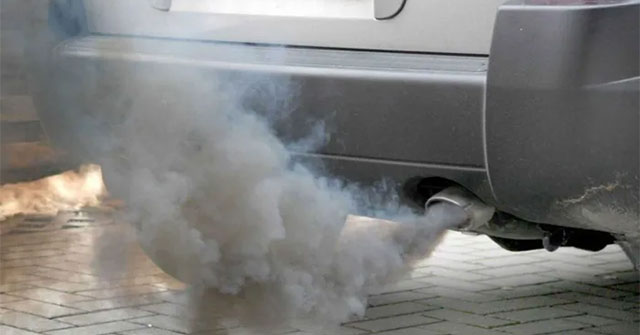
Cars are a familiar means of transportation that bring convenience to people's living and working lives. However, with internal combustion engine cars, the exhaust gases…
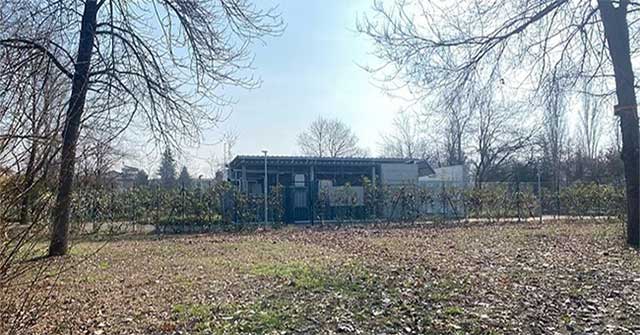
In the context of the fuel crisis and environmental pollution, Antonio Meucci Public High School in Carpi (Italy) has a boiler running on green hydrogen.
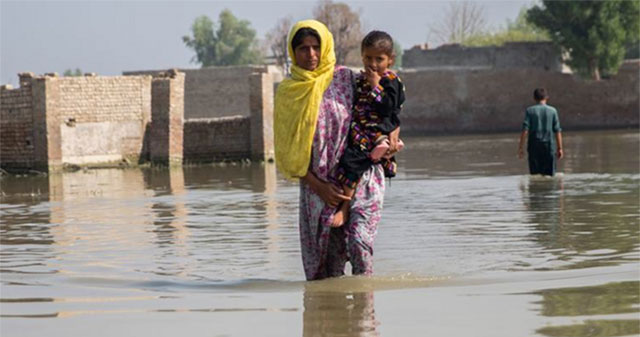
According to experts, climate change is reversing medical progress, posing a great threat to human health.
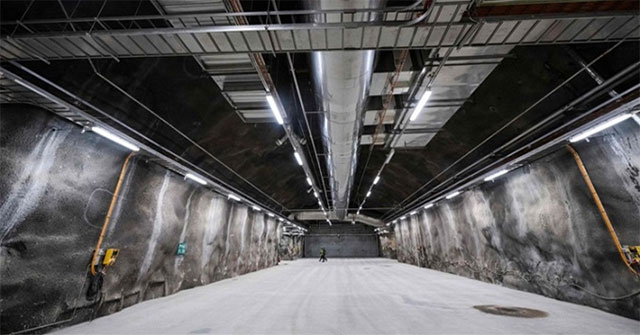
In a move for sustainable nuclear waste management, Finland will become the first country to bury spent nuclear energy rods underground for long-term storage.
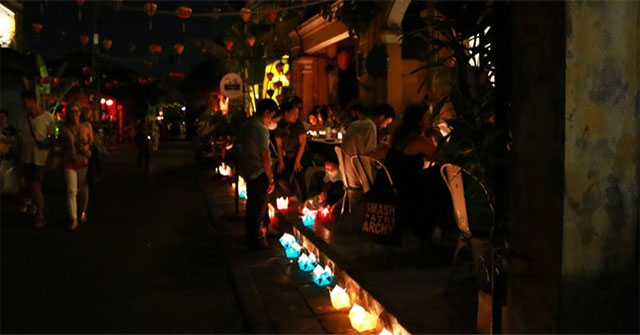
At 8:30 p.m. on March 23, 2024 local time, the 18th Earth Hour will take place globally.

The carbon footprint of Sugarcrete bricks is 20 times less, and it is 4-5 times lighter than traditional bricks.
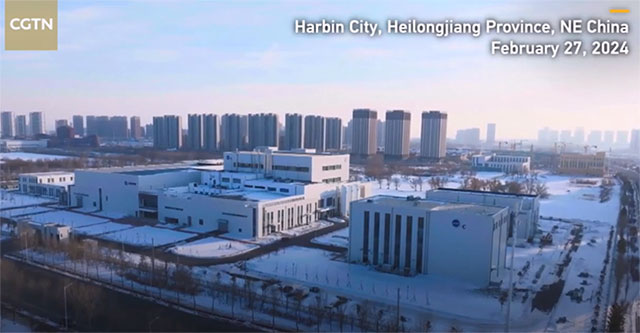
The new facility with the ability to simulate 9 types of space station environmental factors allows conducting many space experiments right on Earth.