Space science
NASA 'brain implant' succeeds Mars explorer ship
The Curiosity Mars probe has survived the
Browse ScienceInfo articles and explainers related to Explorer.
389 published items.
The Curiosity Mars probe has survived the

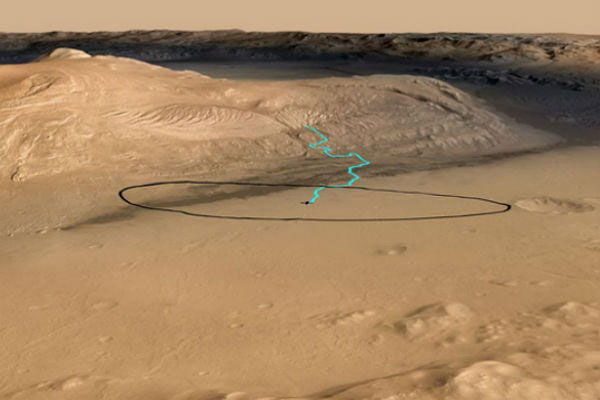
Curiosity, the name of the robot that explores Mars, lands on the red planet on August 5. Since then, the technical experts of the US Aerospace Agency (NASA) have only t…
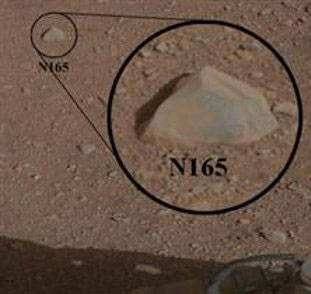
The Curiosity of the US Aerospace Agency (NASA) has for the first time deployed a laser device to shoot a rock on Mars, using 30 short but intense light rays.
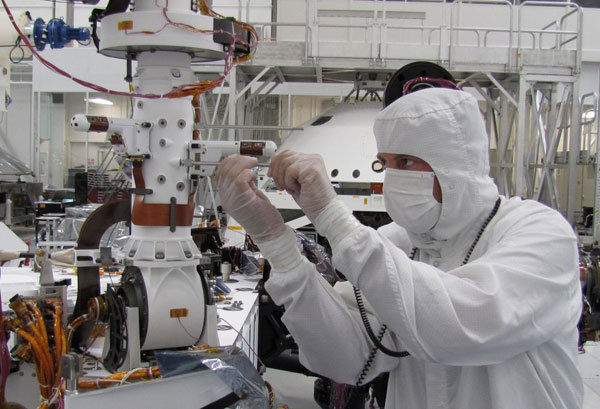
The first incident in the attempt to explore Mars happened yesterday after a wind sensor of the Curiosity device stopped working. The US Aerospace Agency (NASA) has yet…
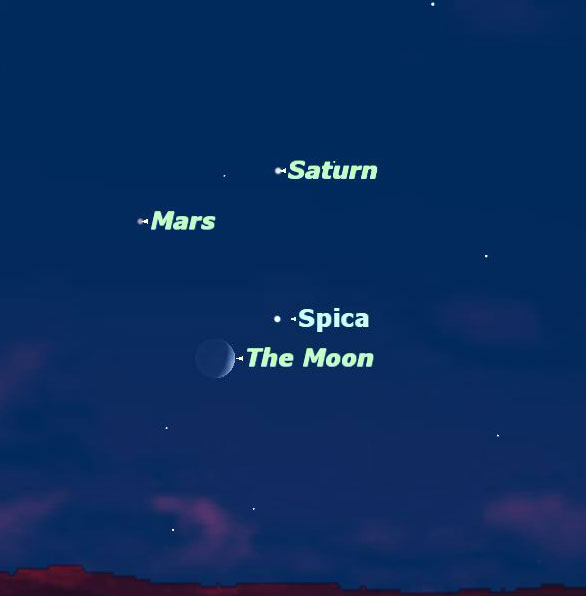
The million-dollar explorer Curiosity of the US Aerospace Agency (NASA) is expected to make its first trip to Mars this week.
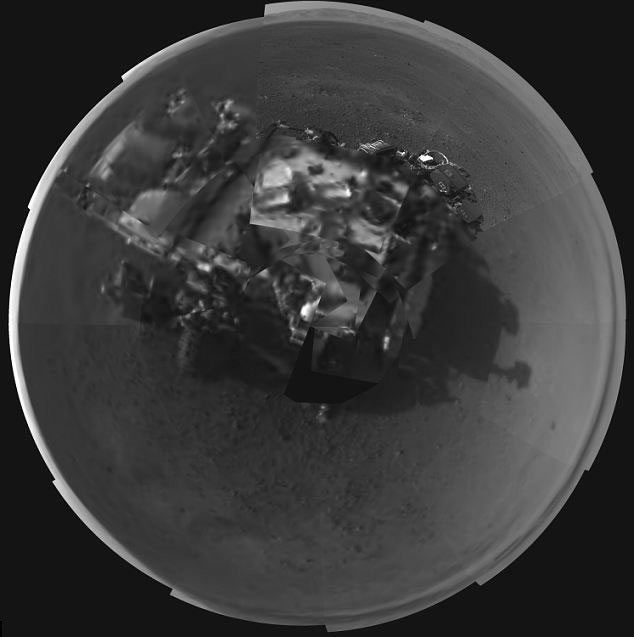
The US Aerospace Agency (NASA) has revealed information about a selected group of drivers and waited to take control of NASA's self-driving Curiosity - NASA's
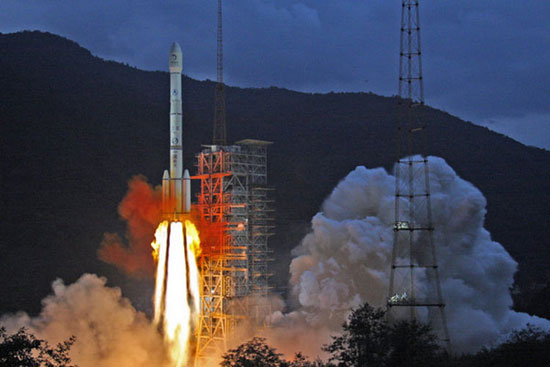
A Chinese exploration ship will land on the Moon next year, and the preparation process for this project is going smoothly, according to the State Administration of Scie…
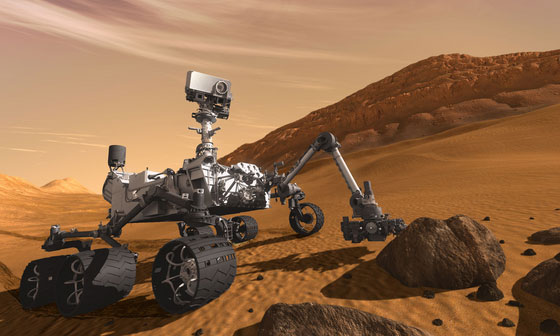
The program will be carried out from the Mission Control Center of NASA's Jet Laboratory in California, but will be interrupted because radio signals on Mars take 14 min…
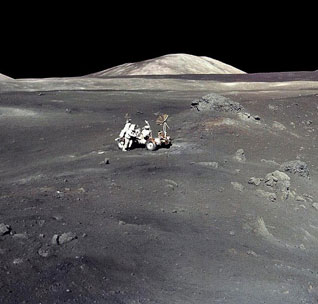
After Apollo 17 landed on the moon in December 1972, Eugene Cernan and Harrison Schmitt, two astronauts on the flight, moved in the Taurus-Littrow valley for about 22 ho…
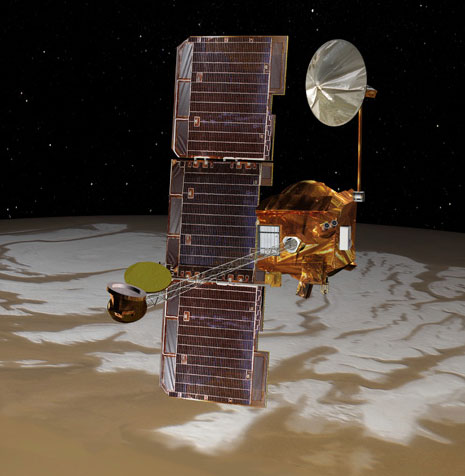
The Mars Odyssey, the spacecraft flying around American Mars, switched to safe mode after the computer system detected a technical problem. In standby mode, the Mars Ody…
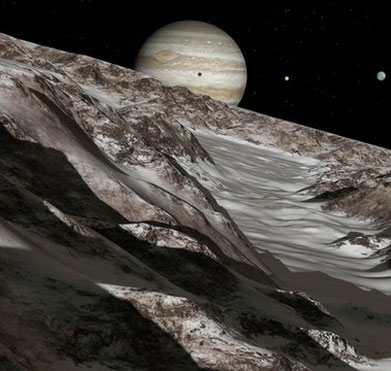
The European Space Agency (ESA) has agreed to spend 1 billion euros to build a modern probe for the mission of Jupiter - the largest planet in the Solar System, and its…
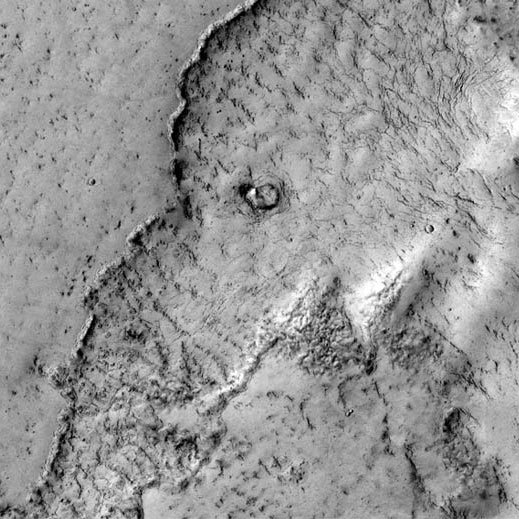
The image below makes people think of an elephant on Mars. But this is actually a lava flow that forms the shape of an elephant head. The photo was taken by a high-resol…
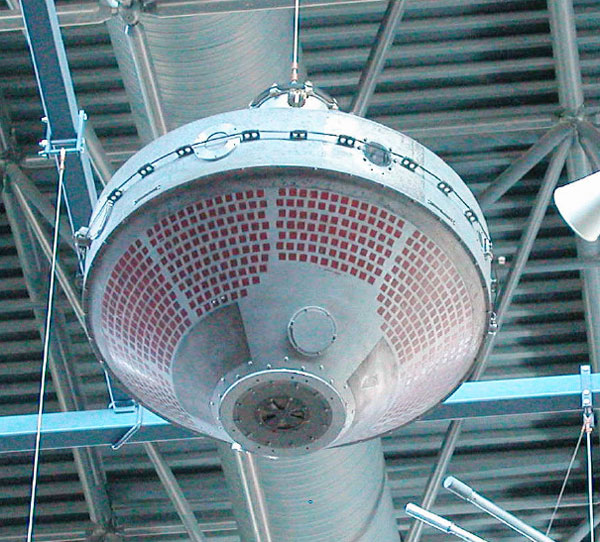
One of the first US satellites named Explorer 8 launched on October 3, 1960 after half a century of orbiting into the dense atmosphere on March 31.
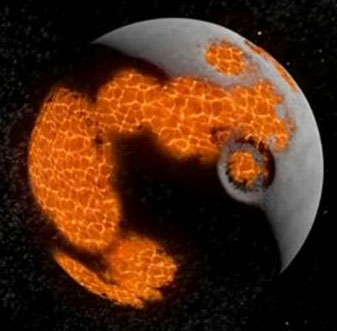
The moon is thought to have formed since a Mars-sized planet hit our Earth 4.5 billion years ago, creating billions of tons of hot matter in the universe and forming the…
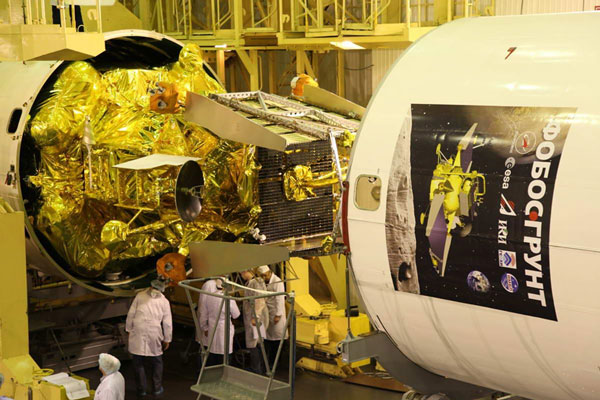
On January 31, the Russian space agency Roscosmos announced the impact of cosmic radioactivity as the cause of the automatic interplanetary Station.