
Oceanography
Wave the area with rays
A member of the delegation made BBC documentary about nature playing with rays in a shallow sea.
Browse ScienceInfo articles and explainers related to Fins.
72 published items.
A member of the delegation made BBC documentary about nature playing with rays in a shallow sea.
Genetic tools that animals use to form fins and limbs are similar to genetic tools that control bone growth in sharks, according to a new study.
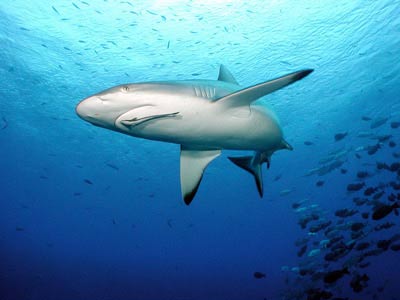
90% of large predatory fish, such as sharks, have been lost by large-scale industrial fishing vessels. According to environmental protection organizations, without effec…
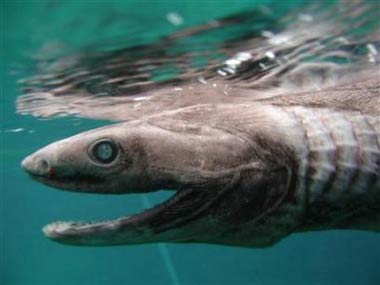
In Japan, a rare shark has been captured. It looked like a female shark, the fins grew long along the body and a jagged sharp tooth ...
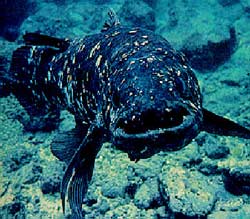
In 1938, South African fisherman captain Hendrick Goshou caught a strange fish that had never been seen before. This fish is like a fossilized fish (Crossopterygii), 1.5…
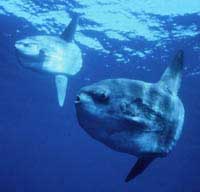
The sun fish in the scientific name Mola mola has many strange characteristics. The body is short, looks almost like a oval or a circle, looks from a distance like a big…
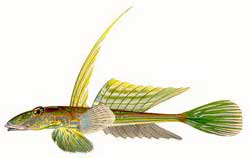
The English name for this strange fish is Dragonet - derived from the word
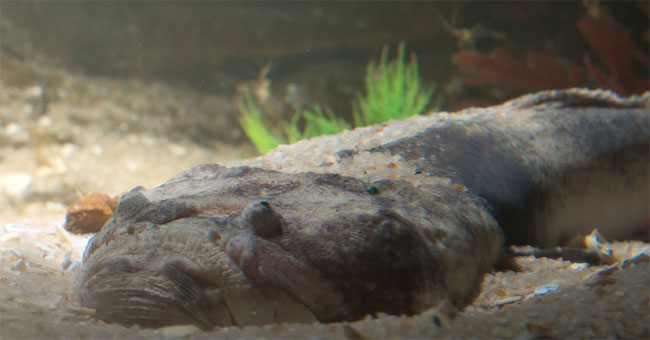
A diver records the process of camouflaged stellar fish near Blairgowrie Pier, Victoria, Australia, Storyful reported on December 7.
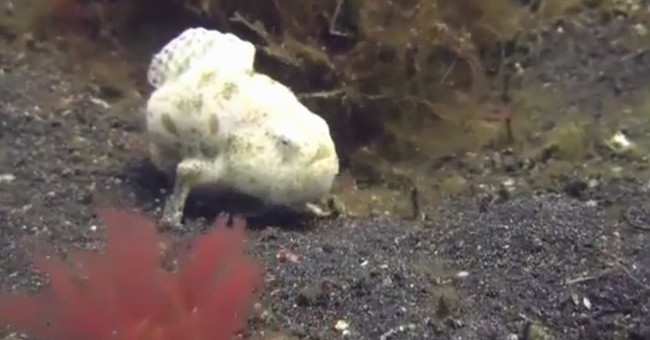
A diver named Atsushi Sadaki recorded a frog fish walking on the seabed off Sulawesi Island, Indonesia, National Geographic on July 31st reported.

This is not the first time that finfish scoff at science. During the 19th century, this 2m long fish and 100kg weight were classified as extinct species.

Vertebrate animals turn to live on the ground instead of just living in the water is a major event of life history on earth.

Recently, paleontologists have found a connection between fish fins and human hands, contributing to confirming the evolutionary origin of our fish.
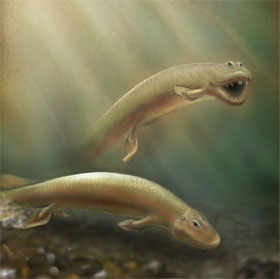
Through the study, the rear fin of the Tiktaalik roseae fish has a solid structure that makes it easy to walk underwater.
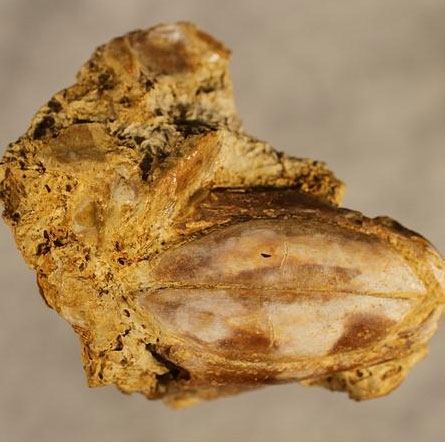
A 100 million-year-old fossil fish fossil was discovered in Texas. This is a new species of coelacanth.

Canadian scientists have found the missing link in the evolution of seals and walruses.