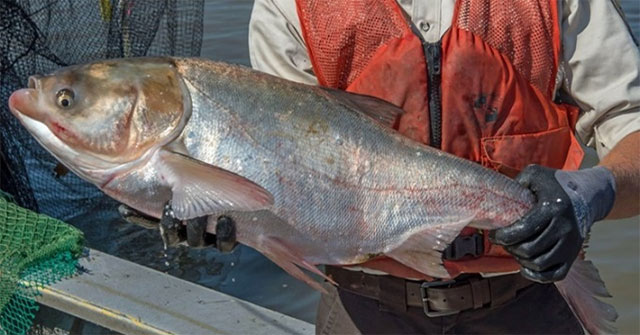
Animal world
The US offers a reward to anglers who catch invasive silver carp
Tennessee state authorities are willing to pay $100 per tagged carp to the person who catches them to reduce the number of white carp in the wild.
Browse ScienceInfo articles and explainers related to Fish.
2,532 published items.
Tennessee state authorities are willing to pay $100 per tagged carp to the person who catches them to reduce the number of white carp in the wild.

It took a group of fishermen nearly 3 hours to pull the 436.2 kg swordfish onto the ship off the coast of Australia.

According to a newly published report, Shenzhen, China is the fastest place to produce USD millionaires in the world in the past decade and is forecast to continue to in…
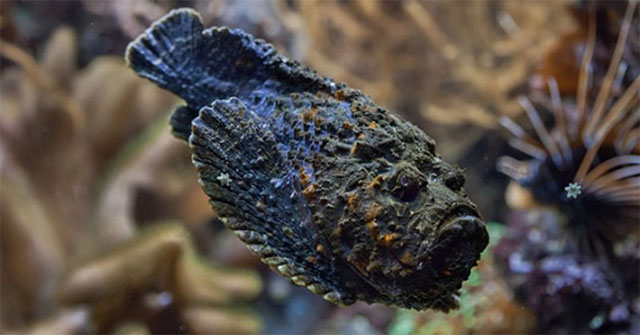
The devil-faced fish is recognized by Guinness World Records as having the largest venom gland of any other fish.
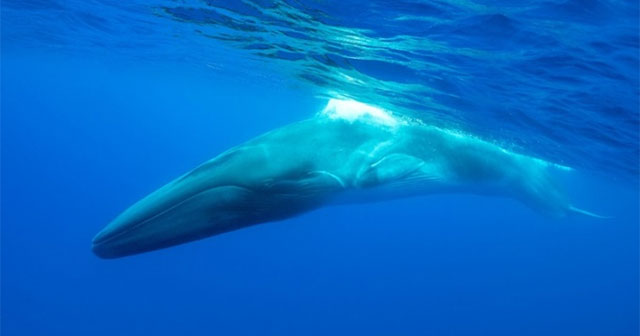
Japan added fin whales, a once endangered marine mammal, to its commercial fishing list, causing concern among conservationists.
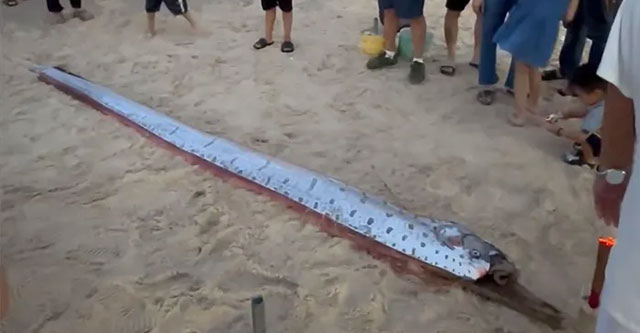
The silver fish with dark black spots on its body, red paddle-shaped fins, and a body nearly 4.5 meters long drifted ashore on the city's shore. Hue, then buried by loca…
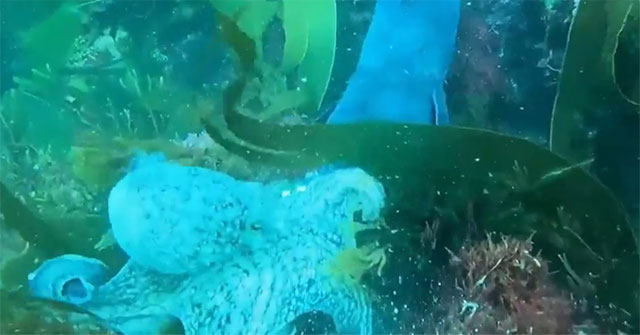
Videos shot by divers reveal that octopuses can cover their gills, blind their eyes or even sacrifice their arms in an effort to deal with calendar fish many times large…
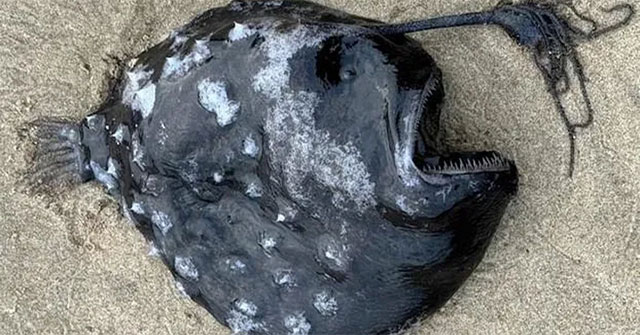
For the first time in history, a fish living thousands of meters below the sea floor washed ashore at Cannon Beach, Oregon (USA) last weekend.

Chinese scientists have just discovered a new species of blind fish that lives in an underground river in a cave in Guizhou province, southwest of the country.
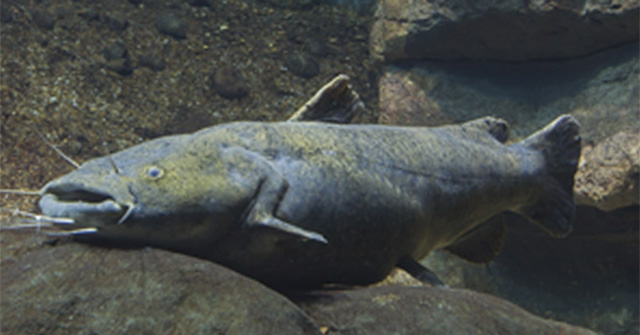
US authorities are having a headache because of the invasion of this fish.

The world's deepest lake in Russia contains species
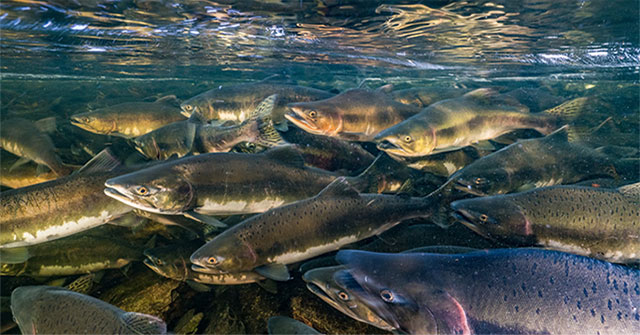
Recent research shows that migratory freshwater fish populations have decreased by more than 80% since 1970.
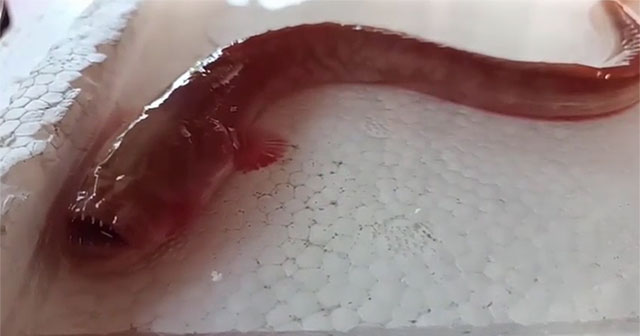
A resident was extremely confused when he caught a fish with a strange shape in southern Thailand.

Science cannot explain why this phenomenon occurs in some parts of the world
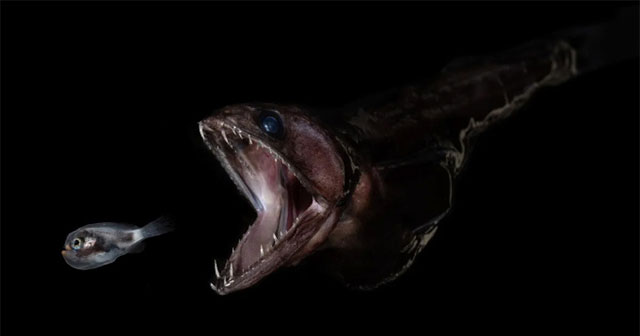
Black swallower fish live at depths of 700 - 3,000 m in the sea with a wide mouth, large abdomen and teeth like barbed traps that prevent prey from escaping.