Space science
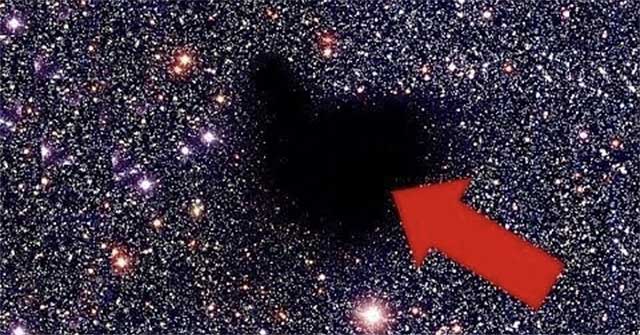
At 250 million light-years in diameter, how massive is the Boötes void?
The Boötes void or giant void is a very large, nearly spherical region containing very few galaxies. It is located in the vicinity of the constellation Boötes.
Browse ScienceInfo articles and explainers related to Formation.
530 published items.
The Boötes void or giant void is a very large, nearly spherical region containing very few galaxies. It is located in the vicinity of the constellation Boötes.
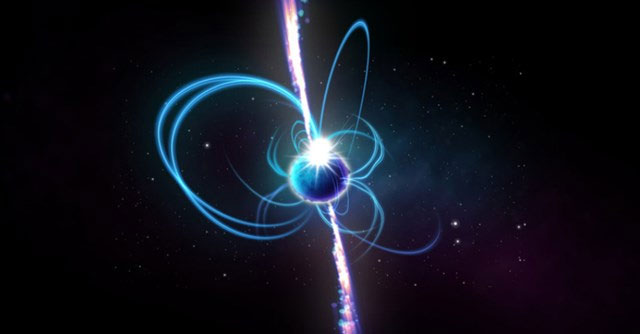
A newly observed neutron star merger has cast doubt on the previously known mechanism of black hole formation.
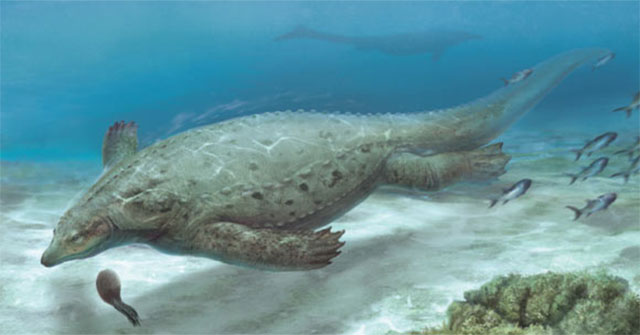
Strange creature on the banks of the Jialing River, with a body
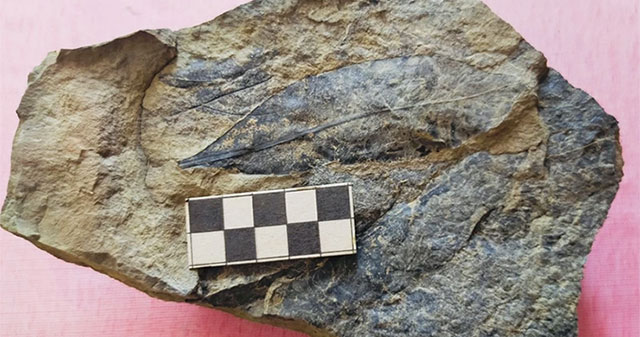
Yen Bai discovered fossils belonging to the Co Phuc formation, which existed 23 to 5 million years ago, exposed in Tran Yen and Van Yen districts (Yen Bai).

Thanks to the James Webb telescope, researchers from the University of Copenhagen (Denmark) became the first team to observe the formation of the three oldest galaxies i…
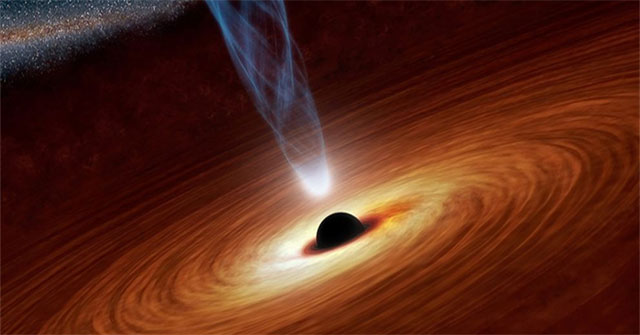
Research published on January 17 in the scientific journal Nature has revealed interesting findings about the history of the formation of the oldest black hole in the un…

In the journey of life, with every touch, we leave countless fingerprints.
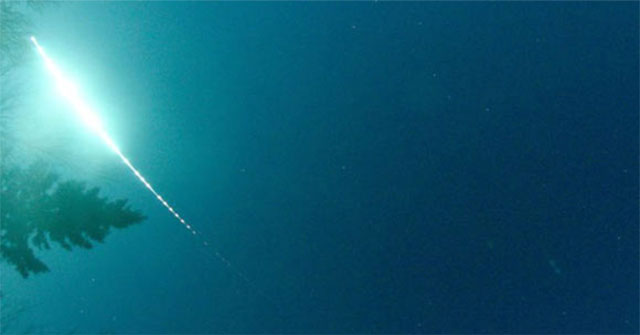
New analysis of a green fireball from the Oort Cloud that landed in Canada in February 2021 could change a host of understandings about the formation of Earth and the en…
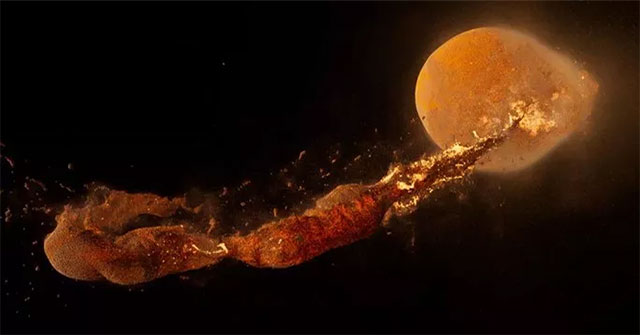
A new supercomputer simulation based on known data about Earth, the Moon and the hypothetical planet Theia has revealed a shocking piece of Earth's history.
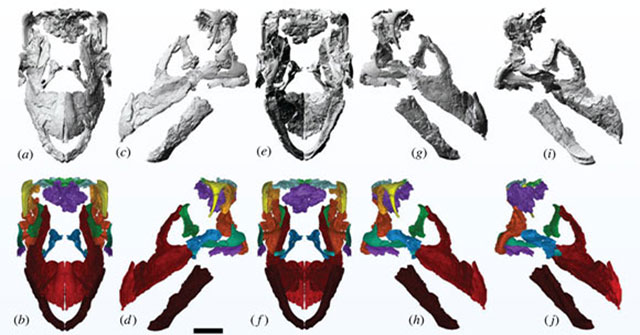

Heat from planet formation, radioactive decay of some elements, and friction between layers keep the Earth's core at extremely high temperatures after 4.5 billion years.
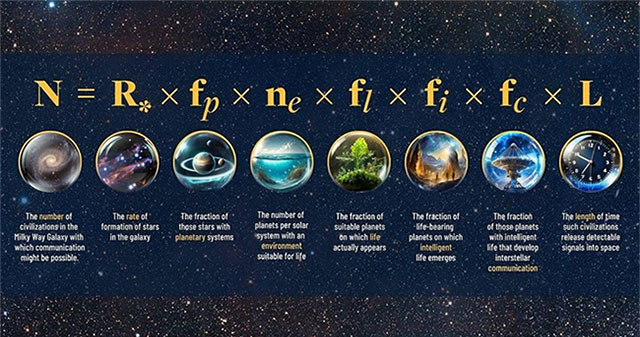
One of the greatest mysteries of existence, and also the most difficult to answer, is whether civilization on Earth is alone in the universe.
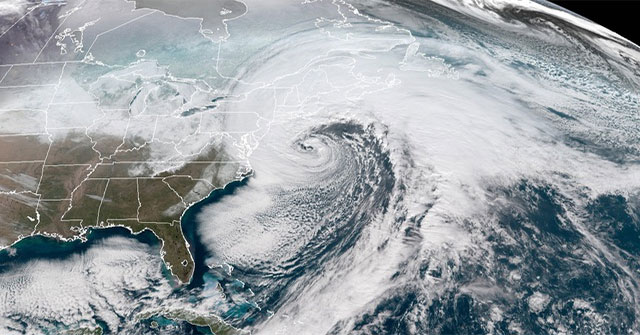
Have you ever heard of the concept of 'weather bomb' and know how powerful its destruction is? Let's find out through the article below.
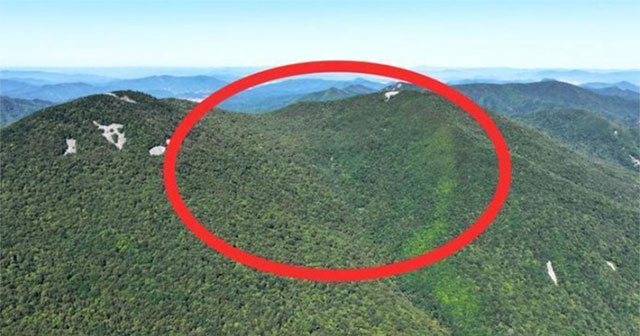
Chinese scientists have found the world's first mountain-top meteorite crater, measuring 1,400m in diameter, in the country's northeast.
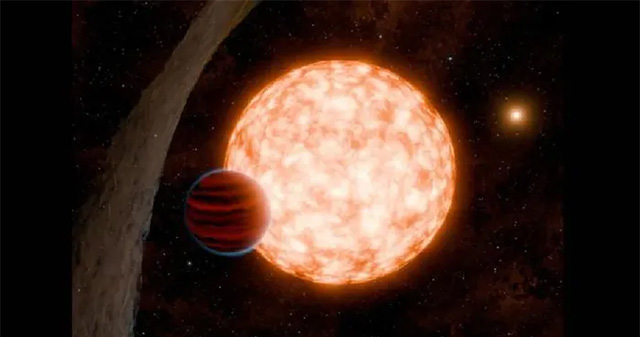
IRAS 04125+2902b is described as