Space science
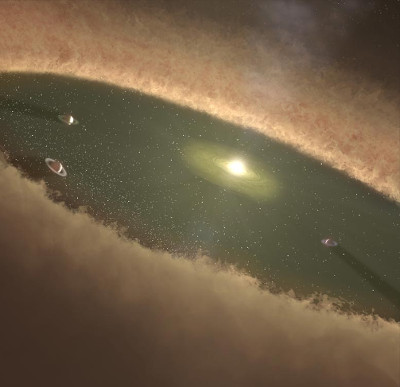
First observed the process of conception of a planet
American scientists first observed the whole process
Browse ScienceInfo articles and explainers related to Formation.
530 published items.
American scientists first observed the whole process
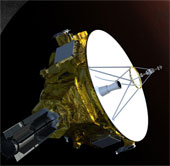
Seven weeks after making a historic flight through Pluto, New Horizons spacecraft from the US Aerospace Agency (NASA) began to send tens of gigabit data to Earth.
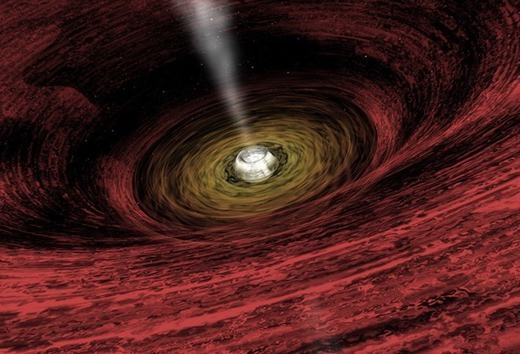
Astronomers have just published a shocking information when it discovered how the largest cosmic elliptical galaxies continue to produce stars despite the
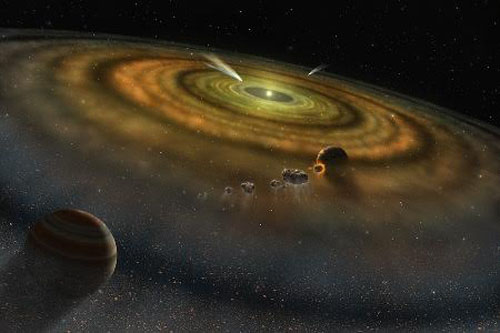
The elements that make up the Earth like water, the atmosphere can be answered by understanding Pluto, when the New Horizons spacecraft approaches this dwarf planet.
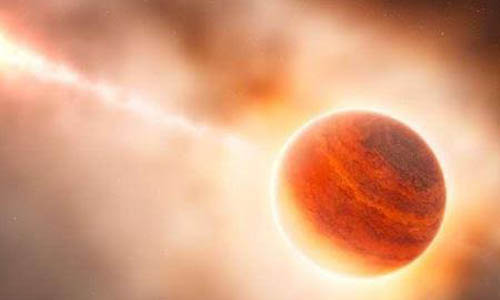
Astronomers in Switzerland discovered and are tracking a planet in the process of formation, still attached to the belt of the star mother.
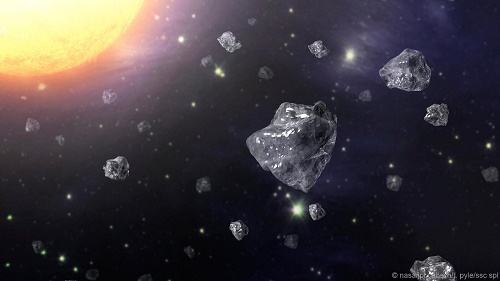
A meteorite can exist from the time of formation of the solar system that falls to Earth and explodes, creating countless large pieces of diamond.
Astronomers have never seen such a strong stream of light come from the formation of a star in the universe.
A yellow ball-shaped block appeared in some images taken by NASA's Spitzer space telescope.
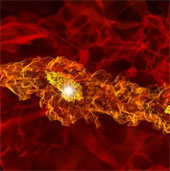
The first stars appeared in the sky 560 million years after the big bang (Big Bang), a time considered the birthplace of the universe, 140 million years later than the i…
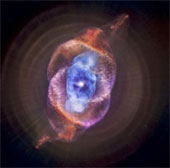
Two white dwarfs rotate very quickly around each other in a mysterious nebula. The distance between them is so small that they will surely become a star and explode.
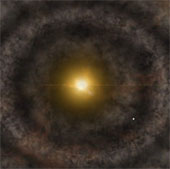
Thanks to the Alma radio telescope, scientists have for the first time captured the clearest picture of the formation of planets around a young star.
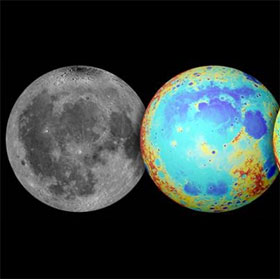
A group of researchers were able to decipher the origin of the black dimples on the Moon.
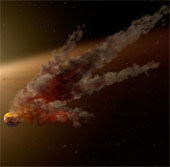
Spitzer Space Telescope has discovered a collision between asteroids, which can lead to the formation of new planets.
Fluorine in toothpaste products can be formed billions of years ago from dead stars.
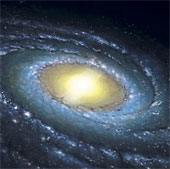
Haverford University (USA) researchers have found the most distant stars in the Milky Way, a finding that could help determine the formation of our galaxy.