
Space science
Huge meteorites will graze the Earth
Astronomers from the European Space Agency (ESA) are listing objects that are likely to hit the Earth in the next century.
Browse ScienceInfo articles and explainers related to Future.
1,471 published items.
Astronomers from the European Space Agency (ESA) are listing objects that are likely to hit the Earth in the next century.
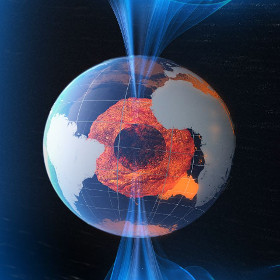
Scientists warn that the North can return to the South and vice versa when the Earth's pole alternates because the magnetic field changes.
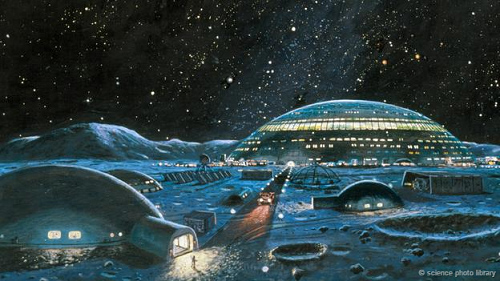
Not long after being appointed as executive director of the European Space Agency (ESA), Johann-Dietrich Woerner announced the proposal to build a village on the Moon -…
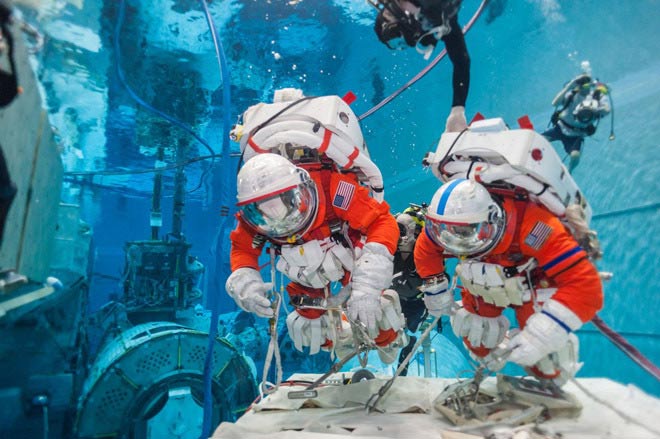
To realize the ambition to conquer the red planet in the future, scientists around the world have experimented with spacecraft like flying saucers, the world's most powe…
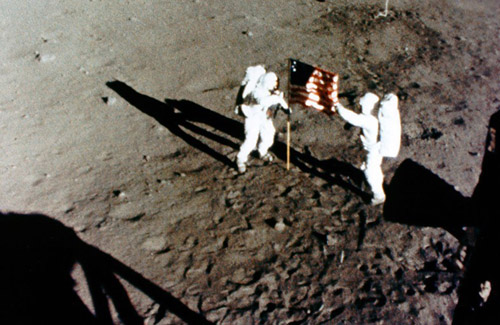
Astronaut Buzz Aldrin, the second man to set foot on the Moon, said he no longer thinks of the earth's natural satellite but thinks that humanity must conquer Mars.
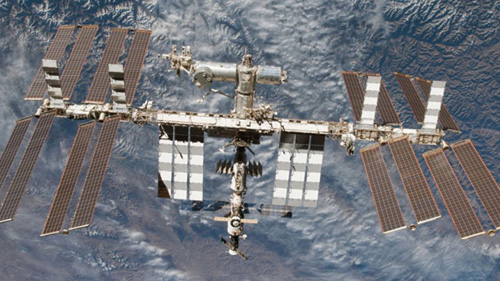
Russian President Vladimir Putin yesterday said the country plans to build its own space station in orbit in 2023.

The task of bringing people to Mars in the future is expected to face many difficulties and cost hundreds of billions of dollars, but it is said to bring many benefits t…
A mission to supply essentials to the international space station ISS will also completely change the future of space exploration.
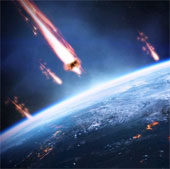
NASA's latest image data shows us: in the last 20 years, the Earth has faced hundreds of visits of small meteorites coming from the universe.
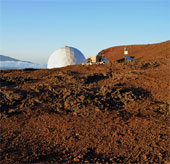
6 project volunteers will live and work in tight conditions and separate from the surrounding world, paving the way for future Mars research missions.
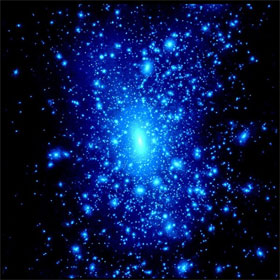
The latest research by British and Italian scientists demonstrates that our Milky Way is at risk of disappearing due to the effects of dark energy.
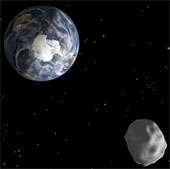
Russia's telescope has discovered a giant meteorite that can plunge into the Earth in the future.
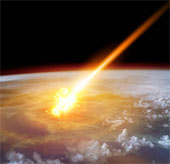
The fact that a giant meteor crashed into the Earth and destroyed all life could be a rare but still possible scenario in the future.
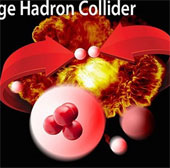
According to Professor Stephen Hawking, the kind of material named Higgs, or so-called
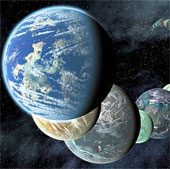
So far, nearly all the planets found outside the solar system have followed a rather strict naming convention, which leads to confusion with many complex characters.