Space science
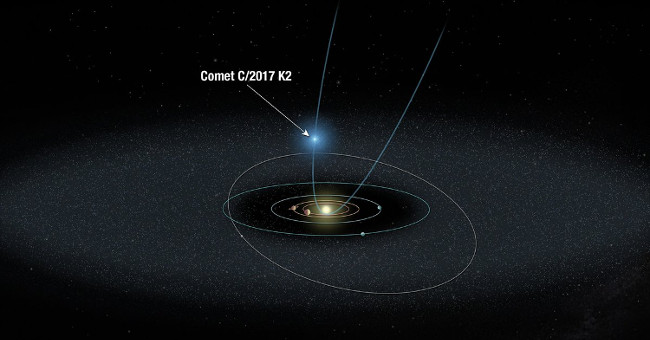
Hubble photographed comets that are operating at a distance of 2.4 billion km
At a distance of 2.4 billion km, beyond Saturn's orbit, the Hubble Space Telescope captured a powerful active comet.
Browse ScienceInfo articles and explainers related to Gas.
1,386 published items.
At a distance of 2.4 billion km, beyond Saturn's orbit, the Hubble Space Telescope captured a powerful active comet.
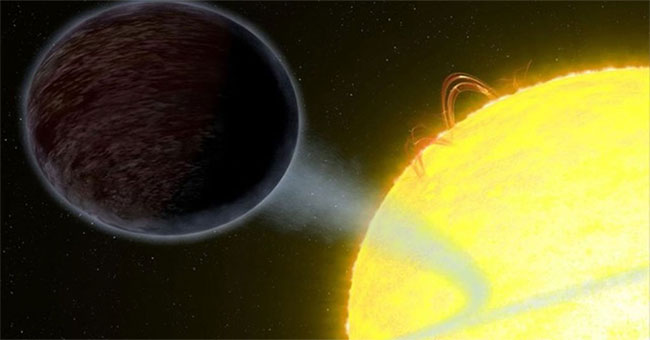
The Hubble Space Telescope of NASA discovered the strange planet WASP-12b is almost completely black, because it absorbs 94% of the light shining on the surface.
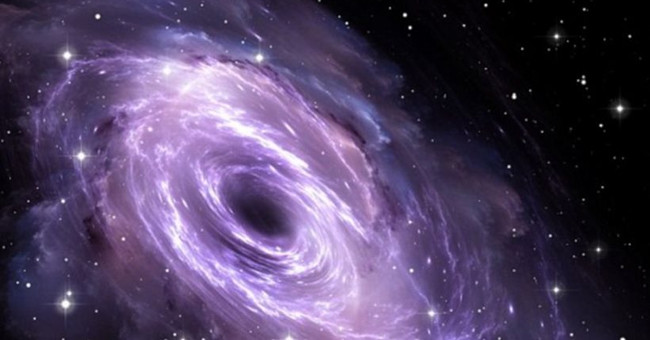
A group of Japanese astronomers found evidence of a supermassive black hole hidden in a hovering cloud of toxic gas near the center of the Milky Way, Guardian reported y…
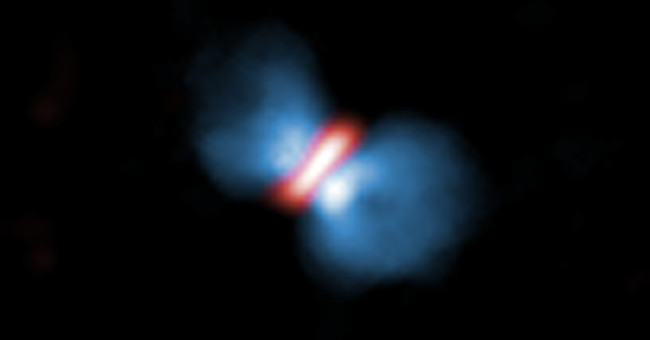
The ALMA observatory observes the time when the giant air flow was fired, marking the birth of Orion KL Source 1.
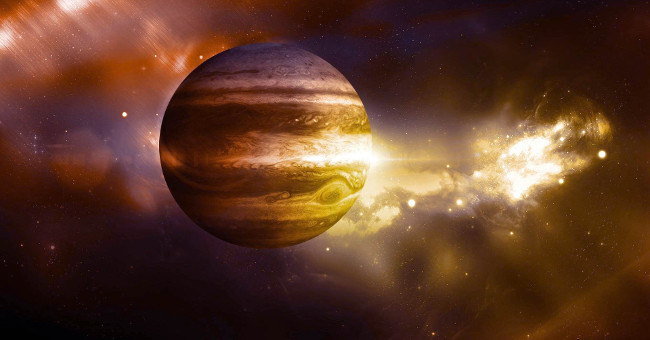
Research by German scientists shows that Jupiter is not only the largest planet but also the oldest solar system.
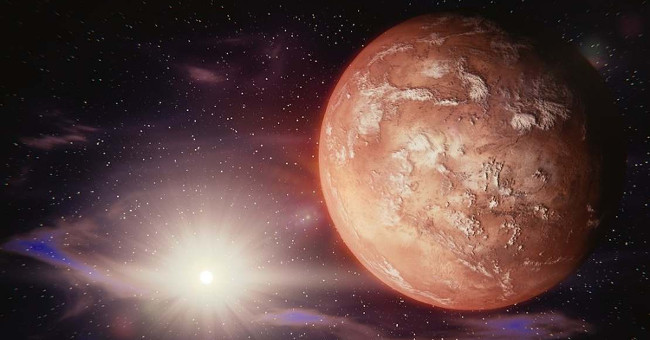
Russian scientists believe that the Martian polar ice could be heated to produce greenhouse gases, increase surface temperatures and living conditions on Mars.
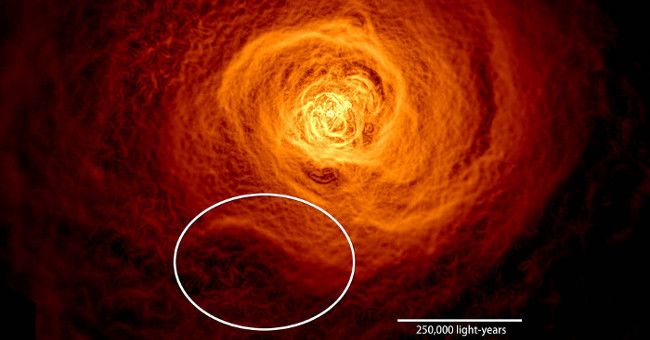
The giant 'tsunami' is such that only one wave can 'submerge' our entire galaxy.
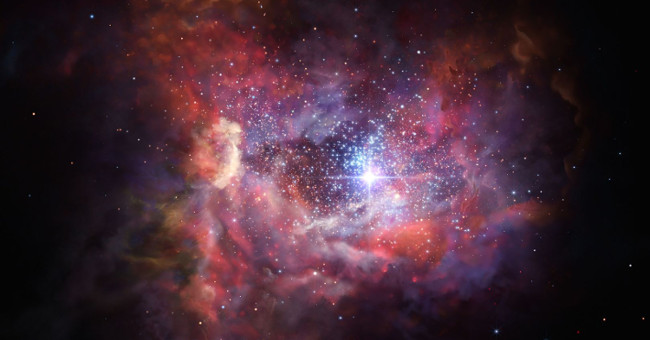
Astronomers have discovered a cloud of sparkling cosmic dust at the age of 4% of the current age of the universe, making it one of the first rays of the universe ever re…
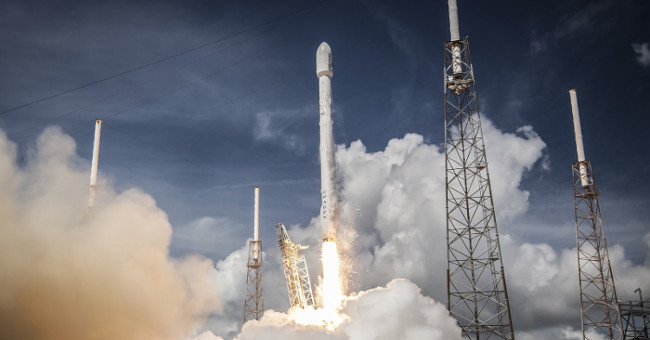
What is the technology that helps people travel the Solar System and, more broadly, travel to the outer border of the Universe?
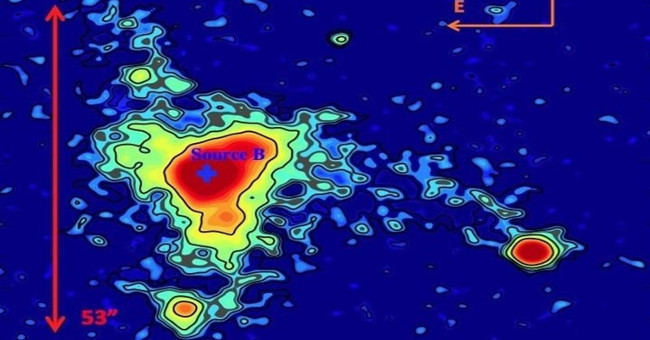
Astronomers have discovered a huge, very bright gas trail drifting freely in the distant universe, and they have not found the reason why it has become so bright.
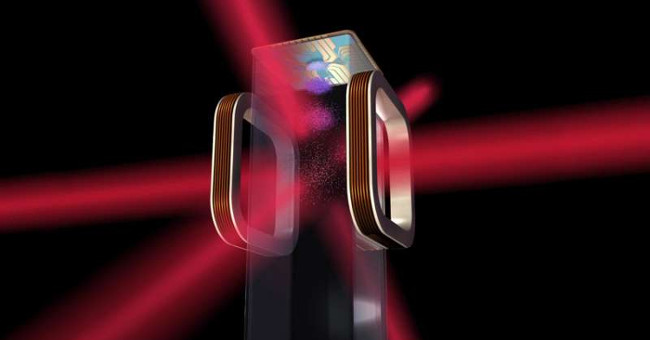
NASA plans to bring a device to the ISS station to create a 100 million times more cold space than space.
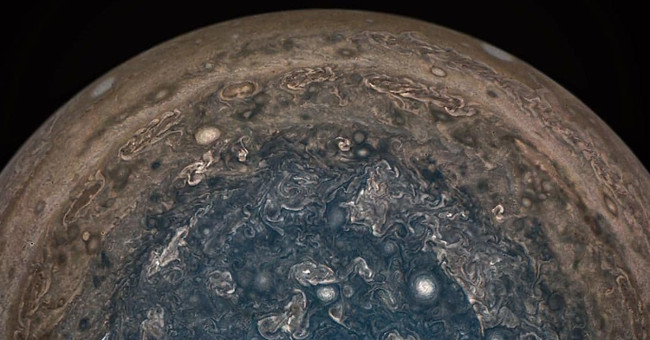
NASA has just released a picture of Jupiter's southernmost surface, recorded by Juno. The Juno probe has approached Jupiter since August 2016 and has begun its mission t…
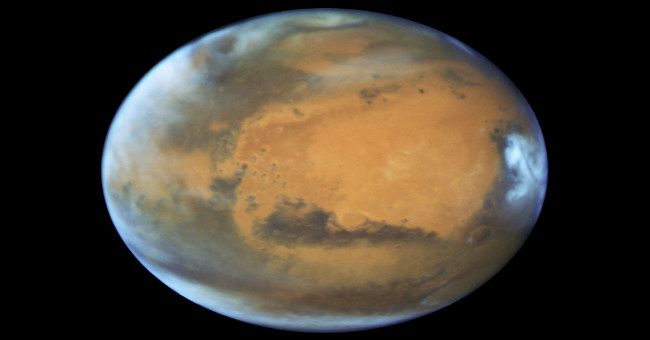
This is the result of research by American biologists, published in the journal Origins of Life and Evolution of Biospheres (Origins of Life and Evolution of Biospheres).
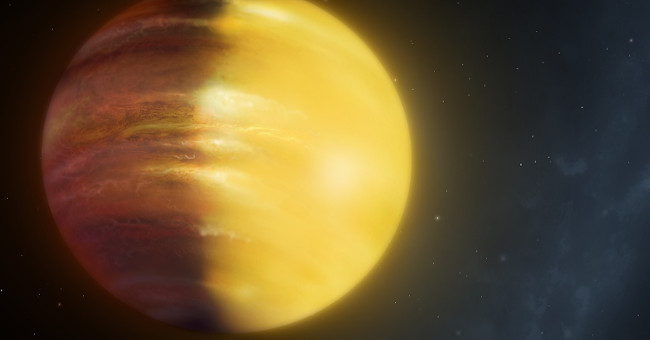
British researchers discovered a solar system outside the solar system surrounded by minerals-rich clouds creating rubies and sapphire stones.
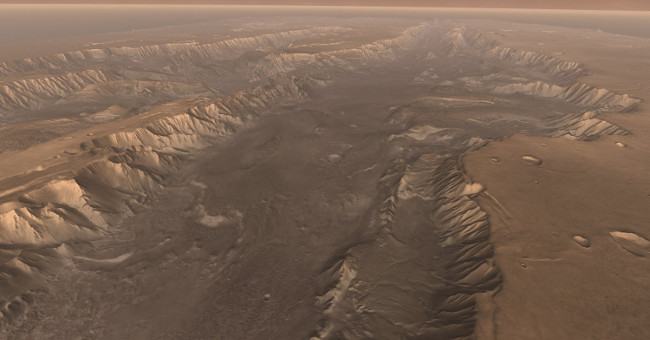
Greenhouse gas builds up in the atmosphere, causing Mars temperature to rise, making a long warm period appear, with a period of up to 10 million years.