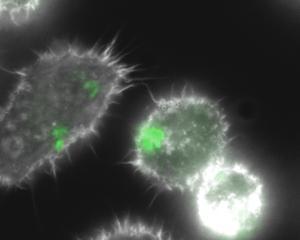
Discover scienceFor the first time, British scientists found the food that the food poisoning bacterium Salmonella absorbed while causing the disease was glucose.
December 18, 2018

Discover scienceThis finding explains why obesity is becoming more and more common in industrialized countries.
December 18, 2018

Discover scienceNapping is not only a habit in many countries, but it is also a biological response to lunch.
December 18, 2018
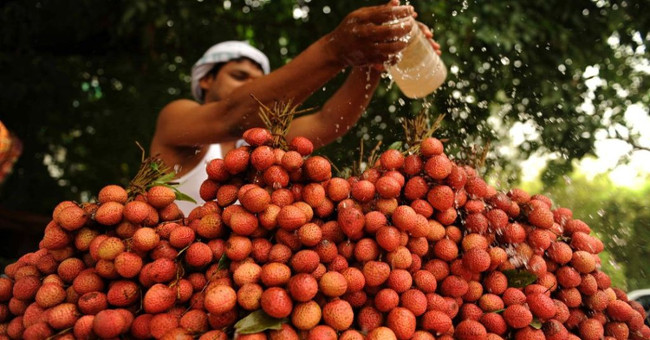
BiologyAmerican and Indian scientists discovered a mysterious disease that kills more than 100 children every year in northern India by eating fabrics when hungry causes.
December 17, 2018
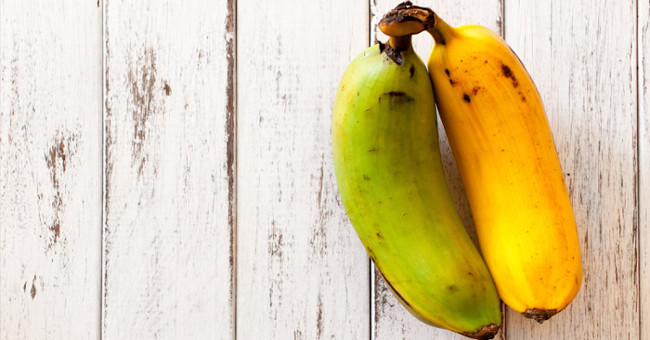
BiologyYou do not want to gain weight because you eat starchy foods and you have used fruit because you think they do not contain starch, is this correct?
December 17, 2018
BiologyCockroaches are very wise, knowing actively rejecting glucose often contains poisonous baits. They redefine: the sweetness from now is bitter. The study, conducted by US…
December 17, 2018

BiologyA group of American and Belgian experts found that lactic acid is an important source of energy for cancer cells.
December 17, 2018

Animal worldWarm weather often makes us think of tiny tree frogs and frogs jumping somewhere. But what happens to frogs in winter? If they can't dig enough deep into the rock
December 16, 2018
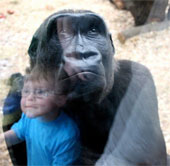
Animal worldHumans take longer to grow than primates because childhood energy is used for the brain more than body growth.
December 16, 2018
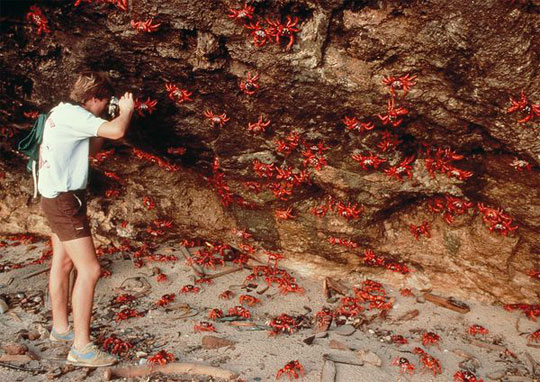
Animal worldBy sampling the 'blood' in the red crab's body, Turner and his colleagues discovered that the rise of hyperglycemic crustacean ...
December 16, 2018
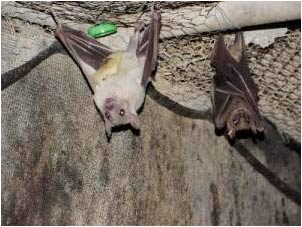
Animal worldSome people have sweet cravings after drinking too much alcohol. And according to a new report last Sunday by Professor Francisco Sanchez of Ben-Gurion University in the…
December 16, 2018
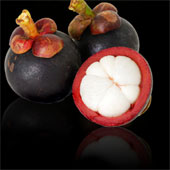
Scientific applicationYoung research group of Organic Chemistry Department, Institute of Chemical Engineering has successfully researched the process of extracting, isolating some bioactive c…
December 16, 2018

Medicine - HealthWhen blood sugar is below 3.8mmol / l, it is called hypoglycemia. However, the signs of hypoglycemia are not the same in every patient.
December 15, 2018
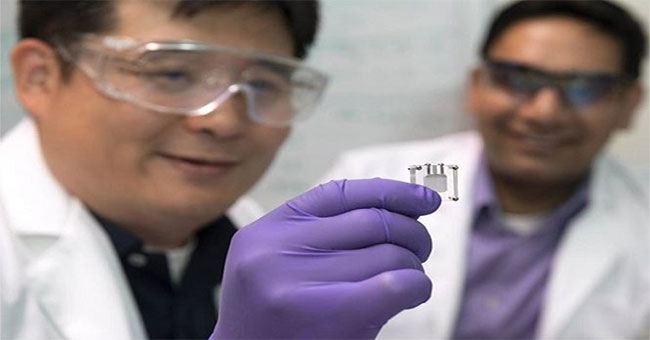
Medicine - HealthResearchers at Washington State University (WSU) have developed an implantable biosensor.
December 15, 2018
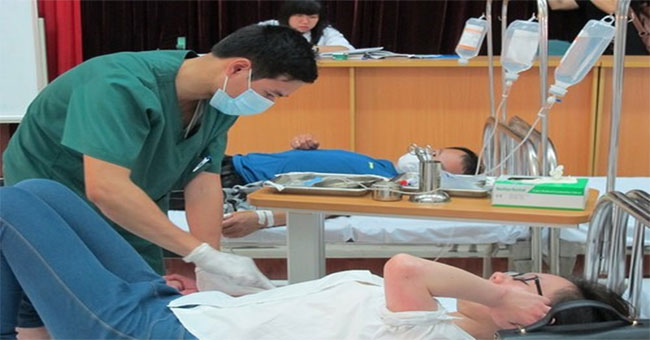
Medicine - HealthGlucose is indicated by the doctor when the patient cannot eat or absorb the nutrition through the gastrointestinal tract, and should not arbitrarily transmit it.
December 15, 2018