Archeology
Documentary discovery of Christianity dates back 1,500 years
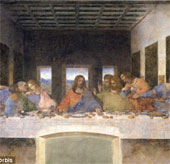
It is a papyrus document about Christian practice and refers to The Last Supper, defined as 1,500 years ago.
Browse ScienceInfo articles and explainers related to Grain.
141 published items.
It is a papyrus document about Christian practice and refers to The Last Supper, defined as 1,500 years ago.
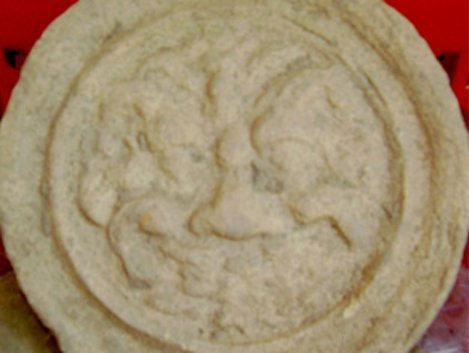
Excavated at the area surrounding the E7 tower of the Cham tower complex at My Son Holy Land, Duy Xuyen District, Quang Nam, archaeologists have discovered many strange…

Many archaeological evidence shows that if our ancestors did not know how to make beer, maybe civilization on earth has developed more slowly than reality, ...
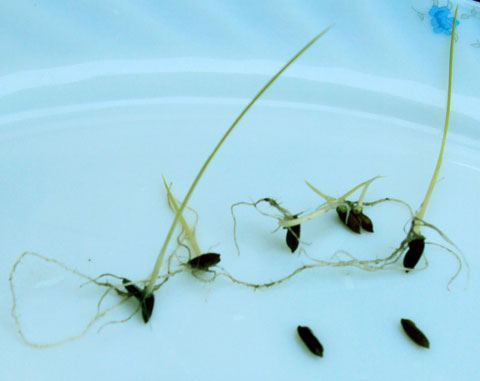
The authorities will stop further research on the seeds of


During excavation at Thanh Den (Me Linh district, Hanoi), the excavation team found a lot of grain and scorched rice on the soil floor dating back 3,000 years.

In the area of grain storage, there is a lot of burnt ash, burnt rice ... It is possible that this environment has created an absolute anaerobic condition that makes t…

After more than 10 days, the grains of rice revealed from the soil layer dating back to 3,000 have grown into seedlings. The largest tree has a height of 15 cm and has n…

On the morning of May 26, hundreds of grains of burnt rice on the soil floor dating back 3,000 years continue to be found by the excavation team at Thanh Den relic site…

Physicists all over the world on November 16 launched an important program to turn the Large Grain Accelerator (LHC), which is now in a 27km long tunnel near the Swiss-F…
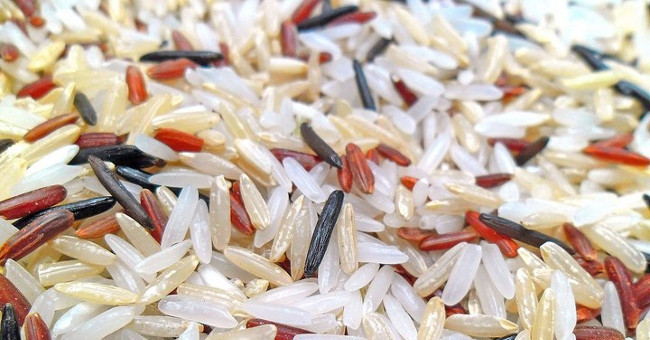
According to Independent page, the amount of CO2 that people are
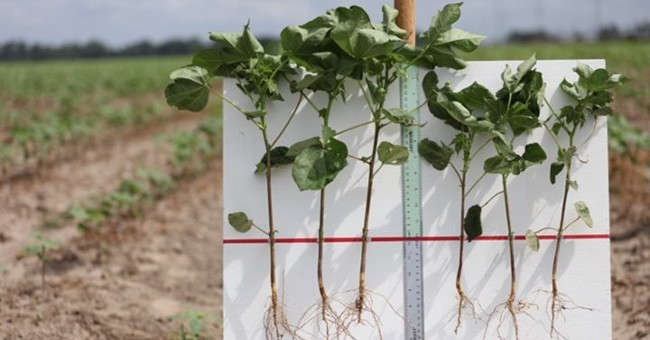
According to Technology Review, the new method of treating cotton seeds has affected beneficial internal bacteria to improve the drought tolerance of cotton.
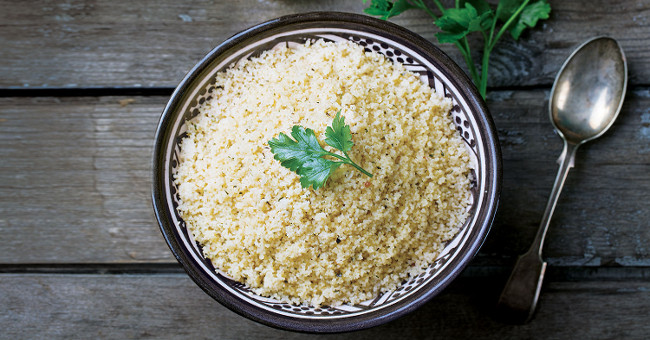
The cereal has a flavorful blend of couscous seeds (a grain of rice seeds, popular in African and Middle Eastern countries) and taste of the match.
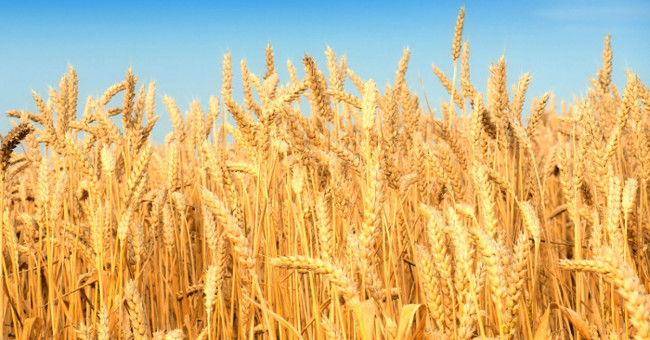
Newly discovered photosynthesis methods help wheat grow faster and adapt better to hot and dry climates.
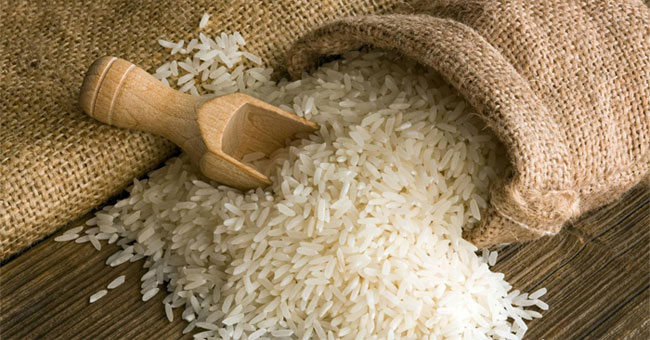
As an indispensable material when building the Great Wall, it can be kept for 30 years ... is the truth that not everyone knows about